



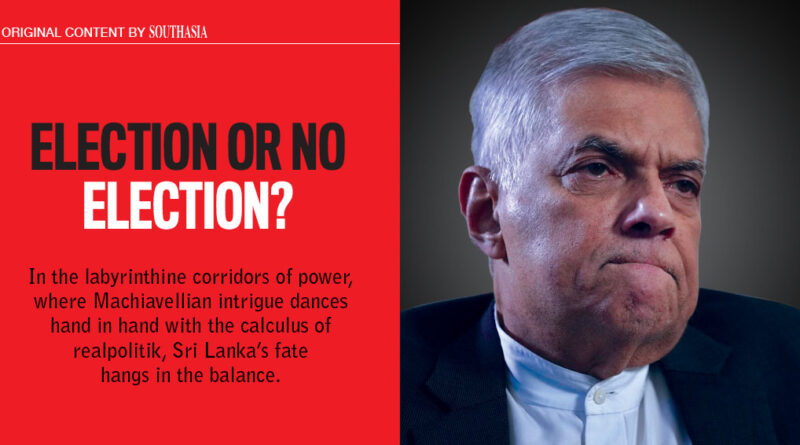
Election or No Election?
In the labyrinthine corridors of power, where Machiavellian intrigue dances hand in hand with the calculus of realpolitik, Sri Lanka’s fate
hangs in the balance.
In the labyrinthine corridors of power, where Machiavellian intrigue dances hand in hand with the calculus of realpolitik, Sri Lanka’s fate
hangs in the balance.
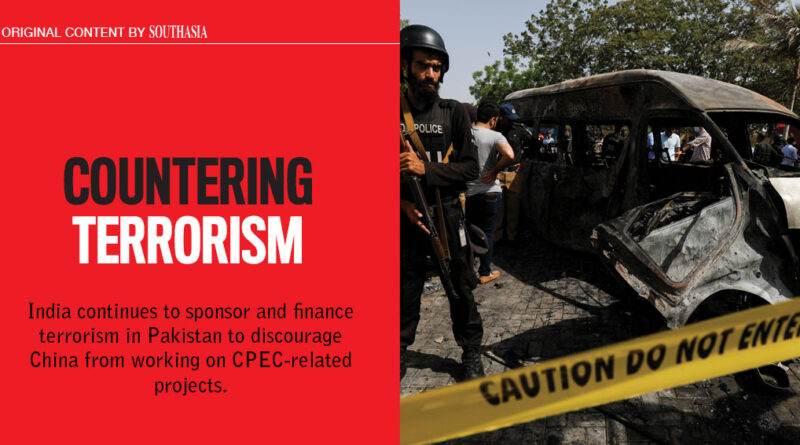
India continues to sponsor and finance terrorism in Pakistan to discourage China from working on CPEC-related projects.
Read more
The success of political parties in future elections will depend on their ability to embrace technology, adapt to digital trends, and prioritize online outreach.
Read more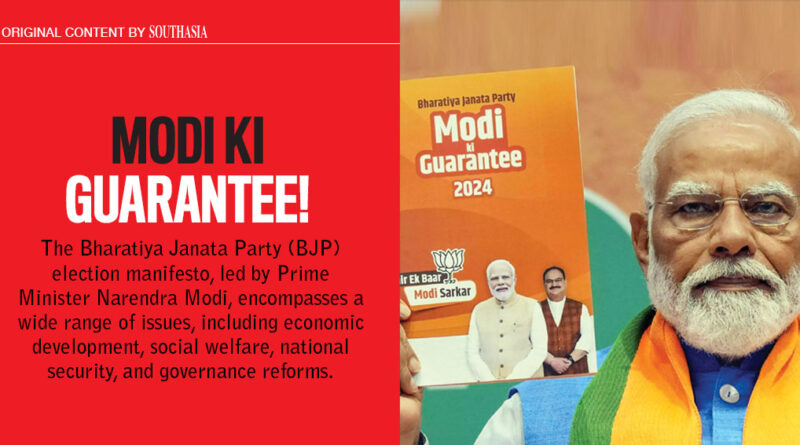
The Bharatiya Janata Party (BJP) election manifesto, led by Prime Minister Narendra Modi, encompasses a wide range of issues, including economic development, social welfare, national security, and governance reforms.
Read more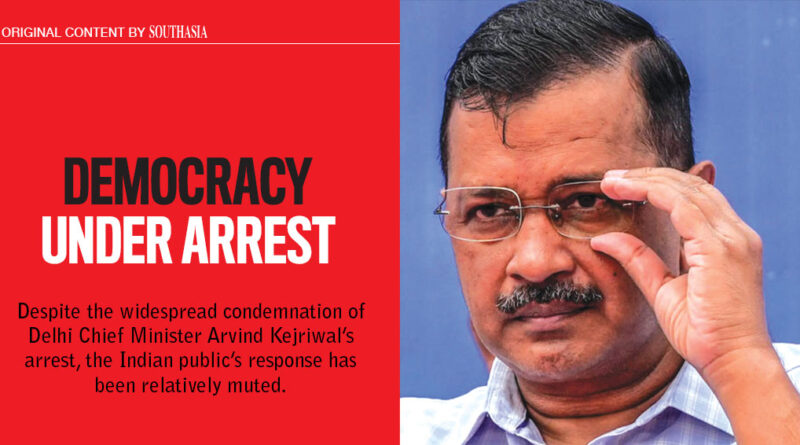
Despite the widespread condemnation of Delhi Chief Minister Arvind Kejriwal’s arrest, the Indian public’s response has been relatively muted.
Read more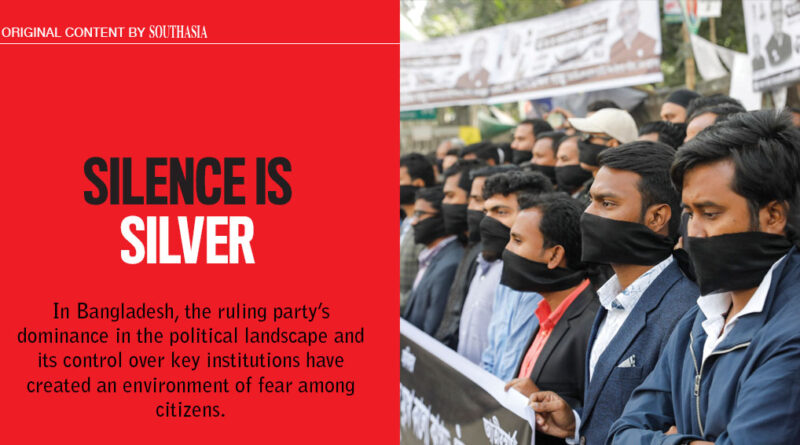
In Bangladesh, the ruling party’s dominance in the political landscape and its control over key institutions have created an environment of fear among citizens.
Read more
While many of our exploiters are dead and gone, some are still around in the corridors of power, together with their offspring and siblings.
Read more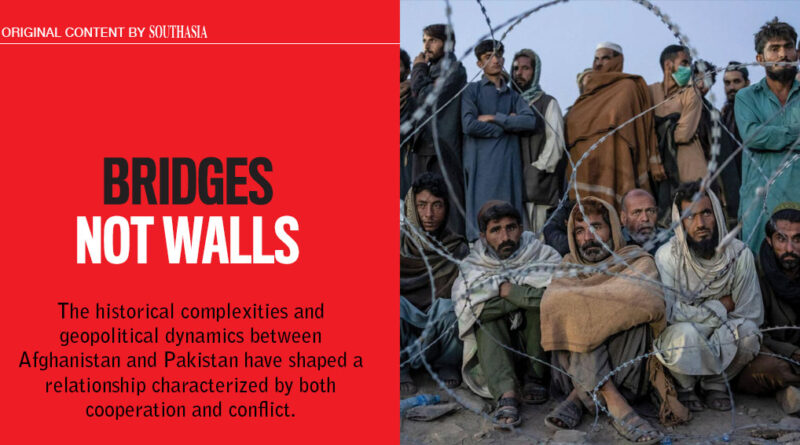
The historical complexities and geopolitical dynamics between Afghanistan and Pakistan have shaped a relationship characterized by both cooperation and conflict.
Read more
Although economic activity has stabilized to some extent in Pakistan, the outlook remains challenging and rests on implementing the IMF-induced reforms in the short to medium term.
Read more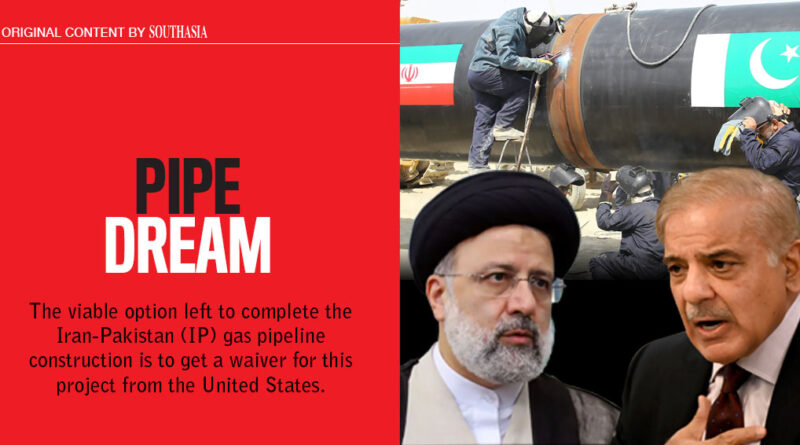
The viable option left to complete the Iran-Pakistan (IP) gas pipeline construction is to get a waiver for this project from the United States.
Read more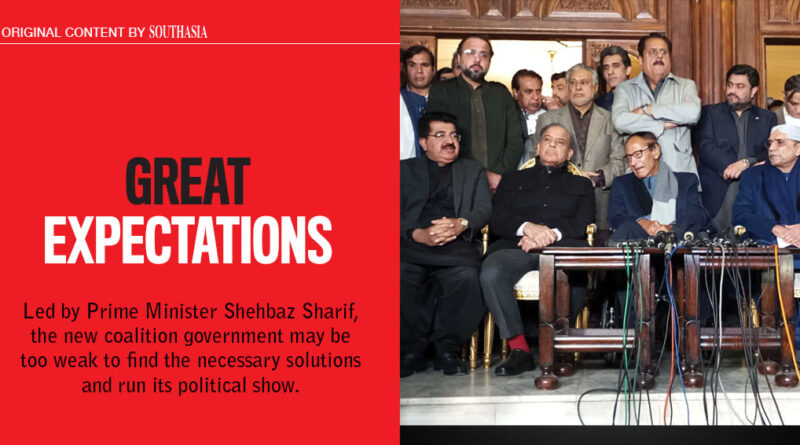
Led by Prime Minister Shehbaz Sharif, the new coalition government may be too weak to find the necessary solutions and run its political show.
Read more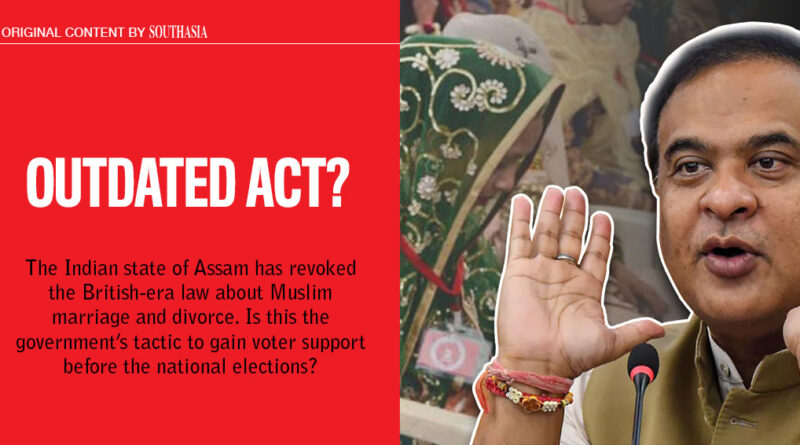
The Indian state of Assam has revoked the British-era law about Muslim marriage and divorce. Is this the government’s tactic to gain voter support before the national elections?
Read more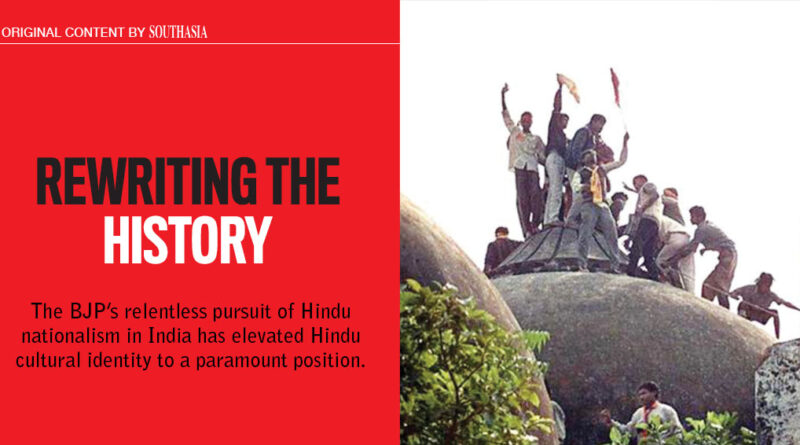
The BJP’s relentless pursuit of Hindu nationalism in India has elevated Hindu cultural identity to a paramount position.
Read more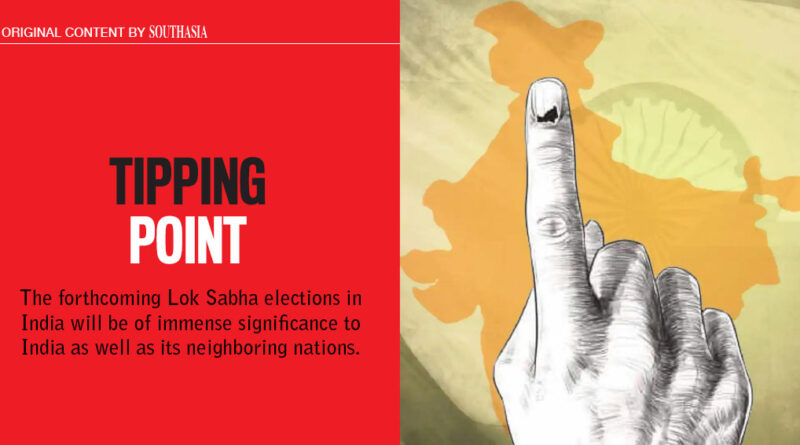
The forthcoming Lok Sabha elections in India will be of immense significance to India as well as its neighboring nations.
Read more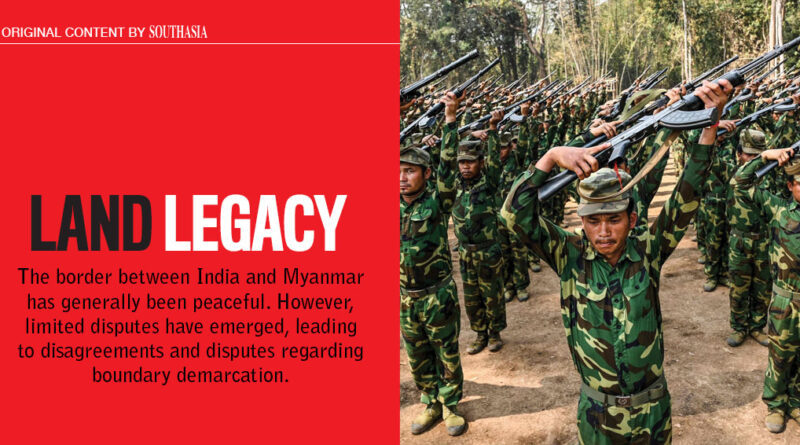
The border between India and Myanmar has generally been peaceful. However, limited disputes have emerged, leading to disagreements and disputes regarding boundary demarcation.
Read more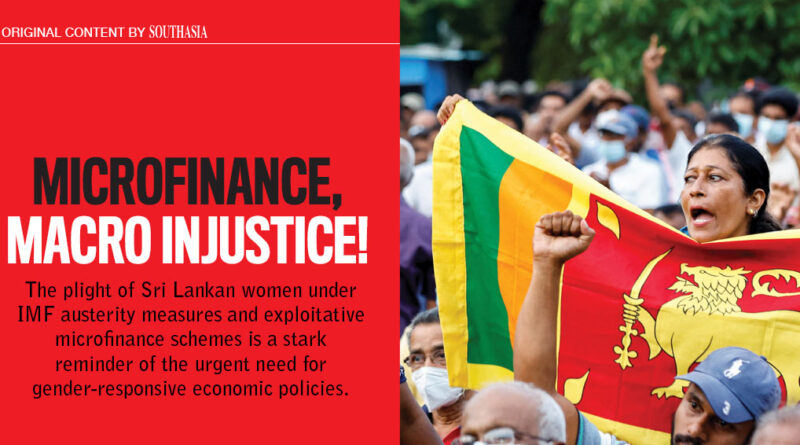
The plight of Sri Lankan women under IMF austerity measures and exploitative microfinance schemes is a stark reminder of the urgent need for gender-responsive economic policies.
Read more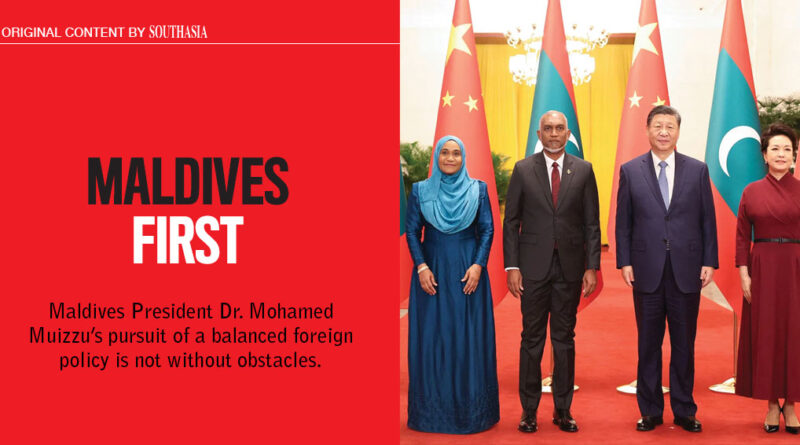
Maldives President Dr. Mohamed Muizzu’s pursuit of a balanced foreign policy is not without obstacles.
Read more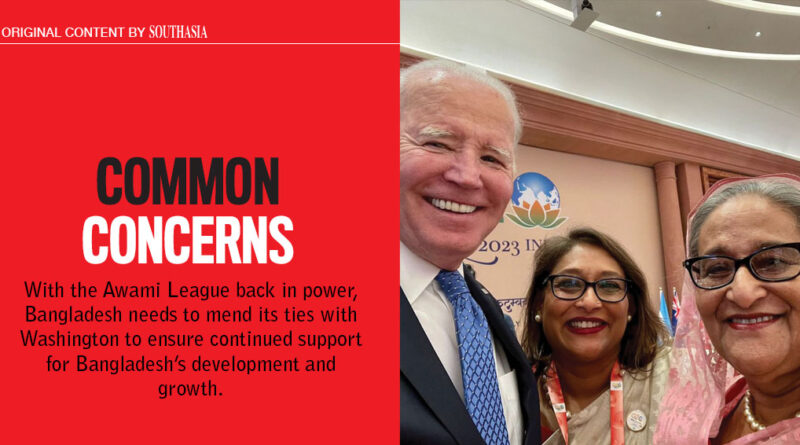
With the Awami League back in power, Bangladesh needs to mend its ties with Washington to ensure continued support for Bangladesh’s development and growth.
Read more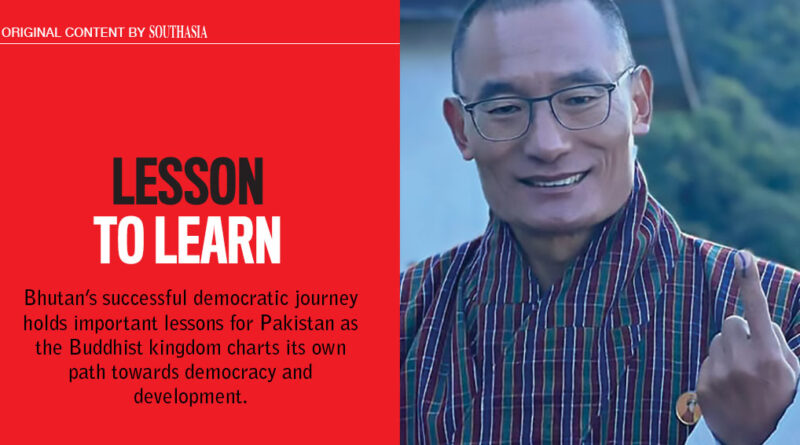
Bhutan’s successful democratic journey holds important lessons for Pakistan as the Buddhist kingdom charts its own path towards democracy and development.
Read more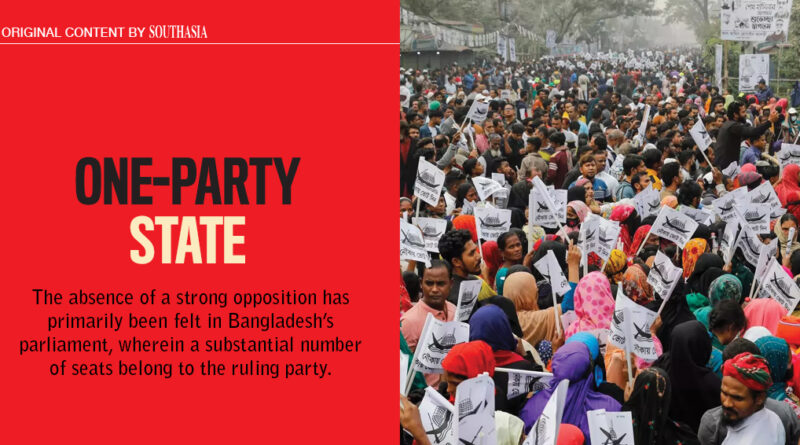
The absence of a strong opposition has primarily been felt in Bangladesh’s parliament, wherein a substantial number of seats belong to the ruling party.
Read more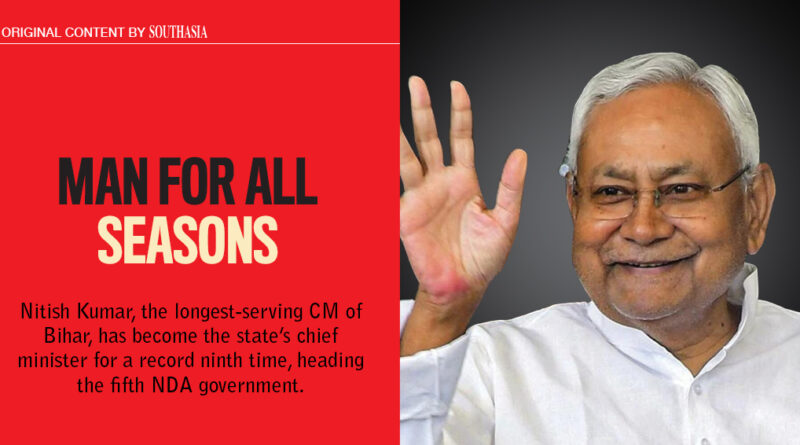
Nitish Kumar, the longest-serving CM of Bihar, has become the state’s chief minister for a record ninth time, heading the fifth NDA government.
Read more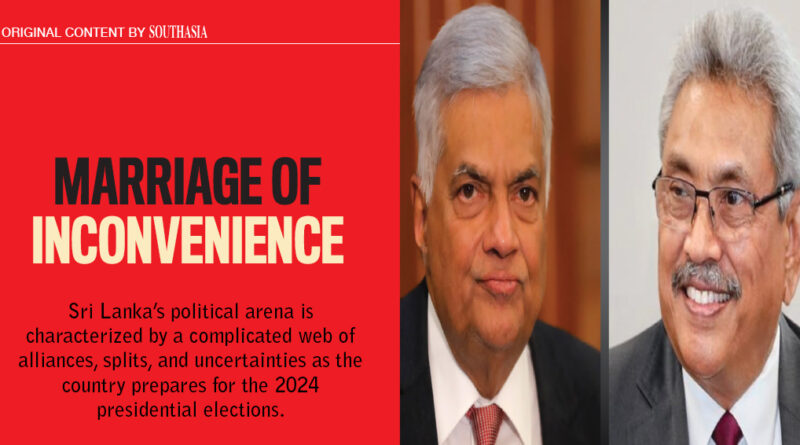
Sri Lanka’s political arena is characterized by a complicated web of alliances, splits, and uncertainties as the country prepares for the 2024 presidential elections.
Read more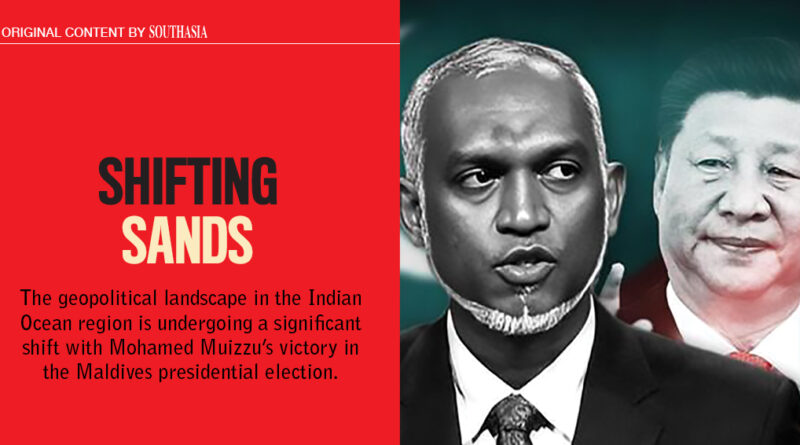
The geopolitical landscape in the Indian Ocean region is undergoing a significant shift with Mohamed Muizzu’s victory in the Maldives presidential election.
Read more