

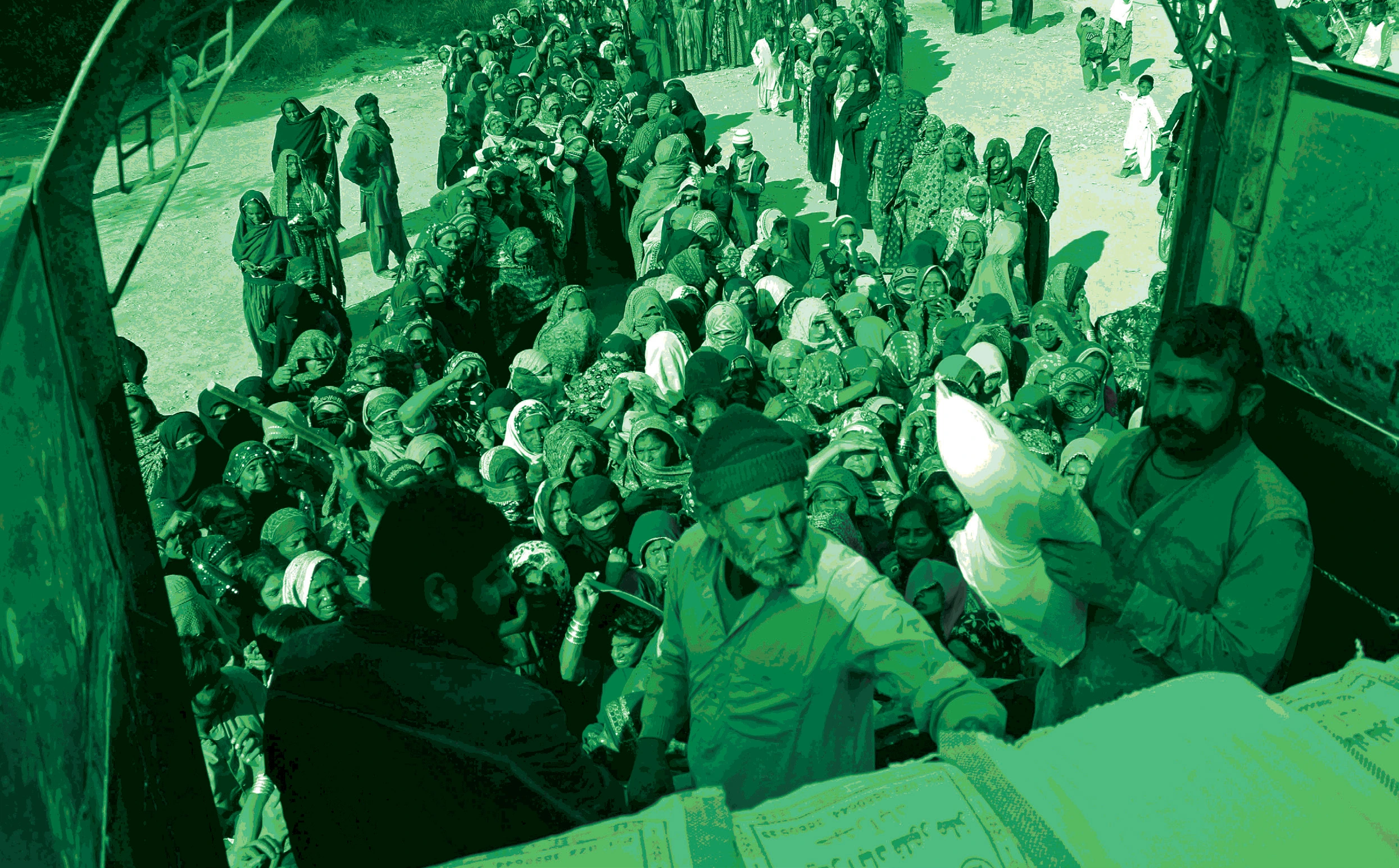
Rajanpur
Rural Inflation
Pakistan can foster sustainable economic growth, alleviate poverty, and promote prosperity for all its citizens by prioritizing rural development and addressing the systemic challenges exacerbating rural inflation.

Inflation is a pervasive economic challenge faced by nations worldwide, impacting individuals and communities across various socio-economic strata. In Pakistan, like many developing countries, inflationary pressures are keenly felt, with rural areas often bearing a disproportionate burden compared to their urban counterparts. While both urban and rural regions grapple with inflation, the factors, as shown below, exacerbating the issue in rural Pakistan are multifaceted and demand nuanced examination.
Economic Disparity and Agriculture Dependency
Rural Pakistan is characterized by a heavy reliance on agriculture, which forms the backbone of the economy and sustains the livelihoods of millions. However, agricultural productivity in these areas is often vulnerable to a myriad of factors, including erratic weather patterns, inadequate infrastructure, and limited access to modern farming techniques. Consequently, any fluctuations in agricultural output directly impact food prices, contributing significantly to inflationary pressures in rural communities.
Supply Chain Challenges
The supply chain infrastructure inefficiencies further compound rural Pakistan’s inflationary dynamics. Limited transportation networks, storage facilities, and market access hinder the smooth flow of goods from production centres to rural markets. As a result, the cost of essential commodities surges due to increased transportation costs and supply shortages, exacerbating inflationary pressures for rural consumers.
Energy Crisis and Input Costs
Energy scarcity is a persistent challenge in Pakistan, with rural areas often bearing the brunt of power outages and unreliable energy supply. This energy crisis disrupts agricultural activities and escalates input costs for farmers. Diesel, electricity, and other essential inputs become more expensive, increasing production costs. These inflated production expenses are then passed onto consumers through higher prices, intensifying the inflationary spiral in rural regions.
Socio-cultural Factors
Socio-cultural factors also play a significant role in exacerbating rural inflation in Pakistan. Traditional gender roles often confine women to domestic responsibilities, limiting their participation in the workforce and exacerbating household economic vulnerabilities. In addition to that, entrenched social hierarchies and unequal land distribution perpetuate poverty and hinder economic mobility in rural communities, exacerbating inflationary pressures.
Limited Access to Financial Services
Access to formal financial services remains limited in rural Pakistan, with a significant portion of the population relying on informal credit sources. High interest rates and exploitative lending practices prevalent in informal lending exacerbate the financial burden on rural households, leading to heightened inflationary pressures. Additionally, the absence of robust financial infrastructure hampers investment opportunities and impedes economic growth in rural areas, perpetuating the cycle of poverty and inflation.
Policy Neglect and Governance Issues
Historically, rural development initiatives in Pakistan have been overshadowed by urban-centric policies, neglecting rural communities’ unique challenges. Inadequate rural infrastructure, education, and healthcare investment exacerbate socio-economic disparities and amplify inflationary pressures. Moreover, governance issues such as corruption and bureaucratic inefficiencies undermine the effective implementation of policies addressing rural inflation, further deepening the economic divide.
Addressing Rural Inflation
To effectively address the inflation problem in rural Pakistan, a holistic approach encompassing economic, social, and policy interventions is imperative. Investment in rural infrastructure, agricultural modernization, and access to financial services can enhance productivity, reduce production costs, and alleviate inflationary pressures. Additionally, targeted social welfare programmes to empower marginalized communities and improve access to education and healthcare can mitigate socio-economic disparities and foster inclusive growth.
Furthermore, effective governance, transparency, and accountability are essential to ensure the efficient implementation of policies and mitigate corruption. Pakistan can foster sustainable economic growth, alleviate poverty, and promote prosperity for all its citizens by prioritizing rural development and addressing the systemic challenges exacerbating rural inflation.
While rural inflation in Pakistan presents complex challenges, it also offers opportunities for transformative change. By adopting a comprehensive approach that addresses the structural inequities and systemic barriers impeding rural development, Pakistan can unlock the full potential of its rural economy and pave the way for inclusive and sustainable prosperity.
To effectively address the inflation problem in rural Pakistan, a holistic approach encompassing economic, social, and policy interventions is imperative.
Strengthening Agricultural Resilience
Investment in agricultural research and development, along with the promotion of climate-resilient farming practices, can enhance agricultural productivity and mitigate the impact of external shocks on rural communities. Access to affordable irrigation systems, improved seed varieties, and crop insurance schemes can provide farmers with the necessary tools to adapt to changing environmental conditions and mitigate production risks. Additionally, initiatives aimed at diversifying rural livelihoods beyond agriculture, such as promoting agro-processing industries and fostering rural entrepreneurship, can reduce dependency on agriculture and create alternative sources of income, thereby mitigating the vulnerability of rural households to inflationary pressures.
Empowering Rural Women and Marginalized Groups
Empowering rural women and marginalized groups through targeted interventions, including access to education, vocational training, and microfinance, can enhance their economic agency and contribute to poverty alleviation. By promoting gender equality and social inclusion, Pakistan can unlock the untapped potential of its rural population and harness their talents and skills for sustainable development. Moreover, addressing cultural norms and practices that perpetuate gender disparities and social inequalities is essential to creating an enabling environment for women’s economic participation and empowerment.
Collaborative Governance and Stakeholder Engagement
Collaborative governance mechanisms that involve local communities, civil society organizations, and private sector stakeholders are essential to ensure the inclusivity and sustainability of rural development initiatives. By fostering partnerships and leveraging the expertise and resources of diverse stakeholders, Pakistan can enhance the effectiveness and impact of its rural development programs. Moreover, participatory decision-making processes prioritizing rural communities’ needs and aspirations can promote ownership and accountability, leading to more sustainable and equitable outcomes.![]()

The writer is an independent journalist from Karachi. She can be reached at sara.amj@hotmail.co.uk
Nestlé Pakistan kicks off urban forest tree plantation
Indian Broadcaster Ameen Sayani died
Insights from Telenor Asia’s Digital Lives Decoded Study
NAPA pays tribute to Talat Hussain
Urdu Columnist Nazir Naji passes away
Cargill meets WHO’s recommended best practices
Oppenheimer leads early wins at BAFTA
China expands influence in Afghanistan
Bangladeshi Nobel winner convicted of violating labour laws
US stalls delivery of drones to India
Accolade for Adib Rizvi
Magazine contests Indian government order
Simi Kamal appointed Chair of the Board of IWMI
US wants Pakistan to probe election irregularities
King Charles marks first outing since cancer diagnosis


Leave a Reply