



Sons of the Soil
Beyond the myths, contested facts, and prevailing narratives lies a need for a candid reassessment of history — one that recognizes Sindh’s pivotal role in the making of Pakistan
Read more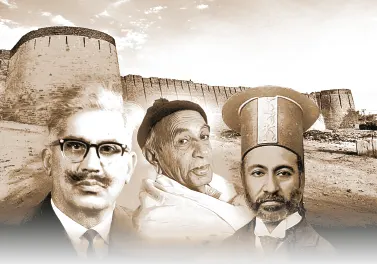
Beyond the myths, contested facts, and prevailing narratives lies a need for a candid reassessment of history — one that recognizes Sindh’s pivotal role in the making of Pakistan
Read more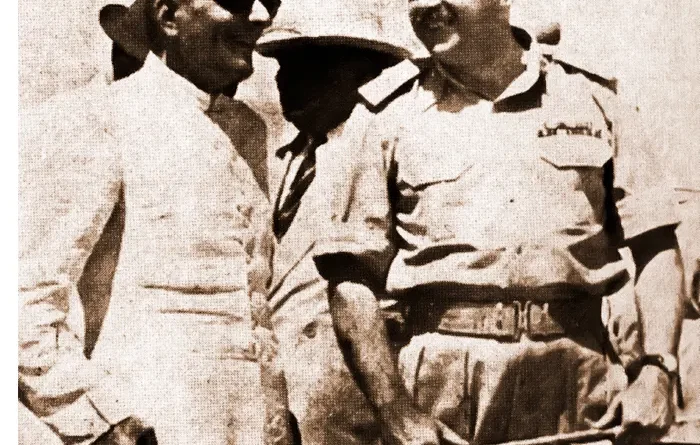
The ghost of One Unit continues to haunt Pakistan’s debates over provincial boundaries, while the legacy of the FATA merger remains contested. Any attempt to dismantle established political structures, however, carries the risk of deepening political instability and producing disastrous consequences that could endure for generations.
Read more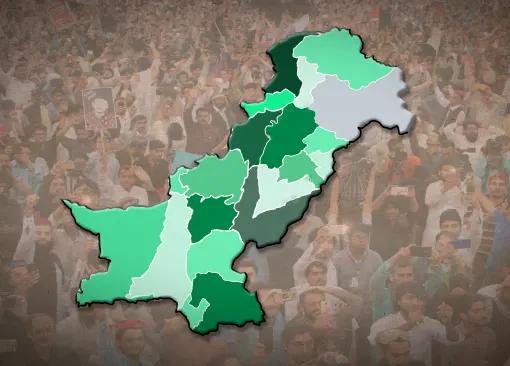
Without political consensus and a coherent national framework, restructuring Pakistan’s provincial map will remain out of reach
Read more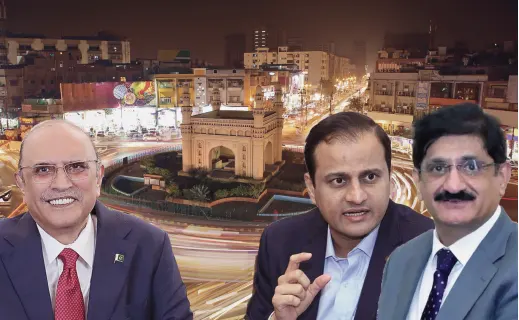
Pakistan cannot continue treating devolution as a threat to political power. Whether through genuinely empowered local governments, smaller administrative units or additional provinces, authority must move closer to citizens.
Read more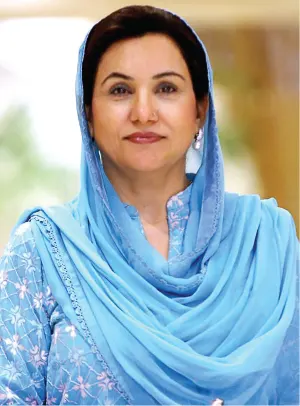
— Dr Fouzia Hameed, MPA, Sindh Assembly
Read more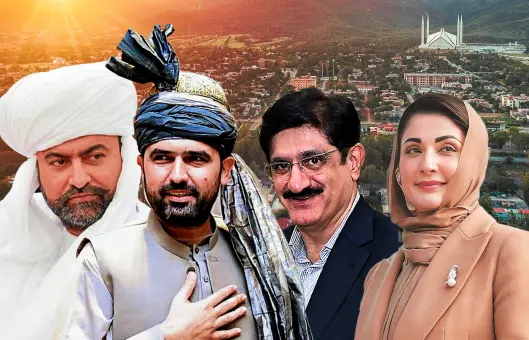
The real danger for Pakistan may lie not in creating more provinces, but in refusing to reform a system that has allowed provincial elites to monopolise power
Read more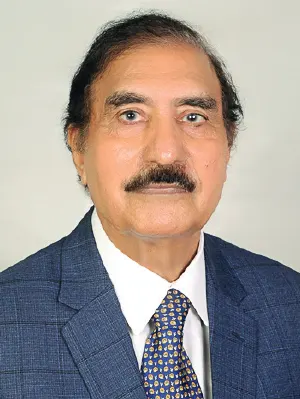
— Chaudhry Kabir Ahmad Khan, Secretary and Personal Staff Officer (Honorary)
Read more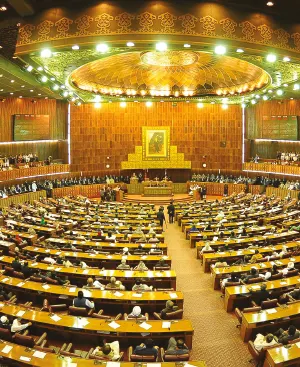
Creating an administrative unit is the absolute domain of the provincial assembly, not Parliament or the Centre
Read more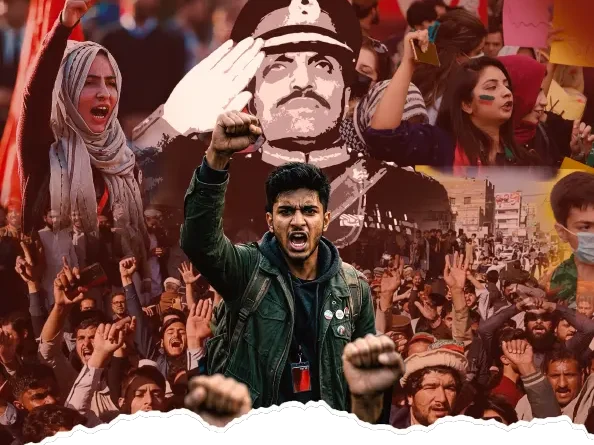
Those in authority must act now and take the necessary steps before Pakistani youth take matters into their own hands
Read more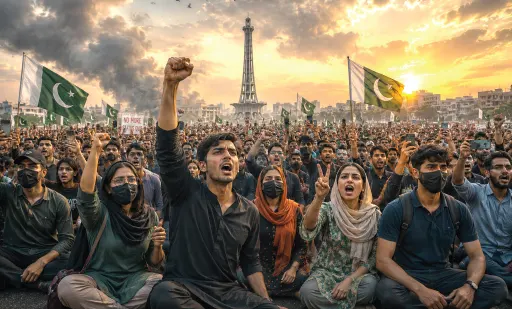
Pakistan is sitting on a powder keg of economic and political discontent, and a frustrated Gen Z could eventually emulate the youth movements that have shaken other South Asian countries
Read more
People in Pakistan need a trigger to find common purpose and overcome fear to stand against a repressive regime. But the country’s Gen Z isn’t there yet.
Read more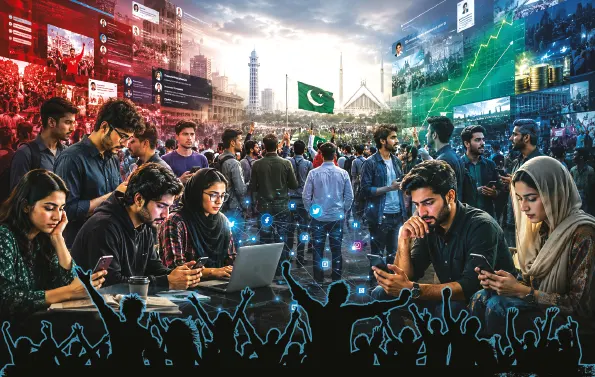
Pakistan appears to have all the conditions for a youth-led political movement, yet such a movement has not materialised
Read morePakistan’s youth do not lack political consciousness; what they lack is a credible mechanism for turning that consciousness into meaningful structural change.
Read more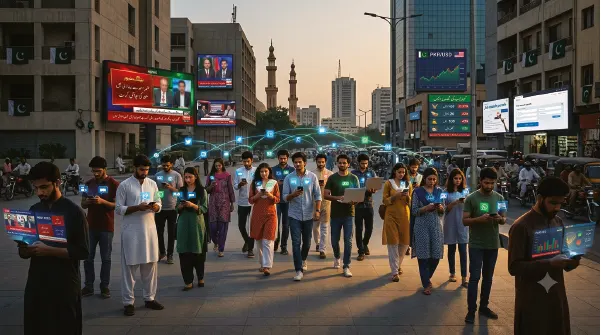
Pakistan’s Gen Z is digitally connected and faces political polarization and economic pressures, creating fertile ground for collective action—yet several barriers continue to inhibit such mobilization
Read more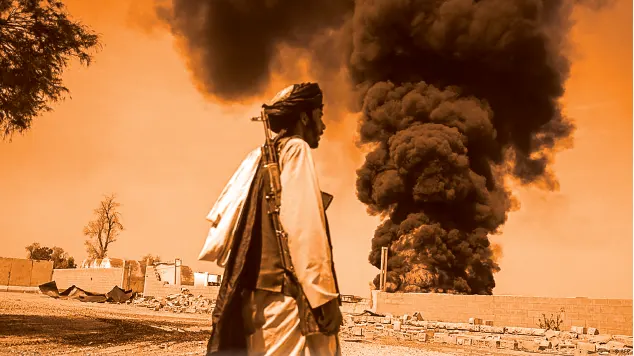
From its very birth, confronted by two inimical neighbours, Pakistan has tended to regard war as an external threat. Yet an equally grave challenge has been the failure to address development priorities with the same clarity of purpose, resource mobilization and determination brought to meeting external dangers.
Read more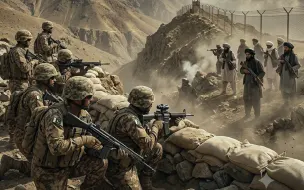
Pakistan’s greatest challenge is not external aggression but the urgent need for democratic governance, institutional reform and national renewal
Read more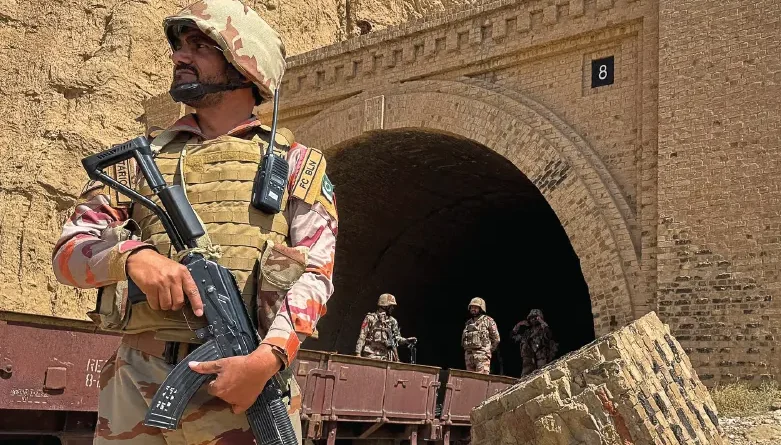
Pakistan is unlikely to overcome its internal challenges unless the state combines effective security measures with political reconciliation, representative governance, and economic justice
Read more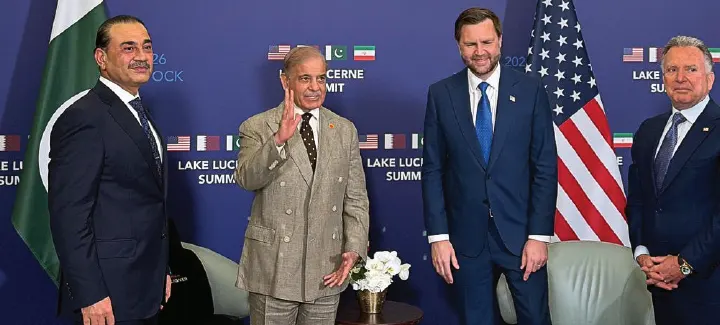
Pakistan’s growing diplomatic stature abroad should be matched by meaningful reforms and stability at home
Read more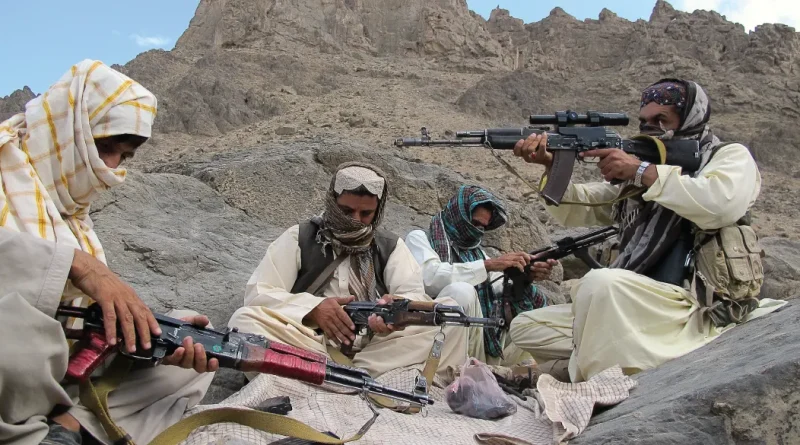
Despite the widening internal fault lines, Pakistan’s ruling elite appear to lack the commitment, capability and vision required to steer the country out of its multiple crises
Read moreAny changes to the 18th Amendment would seriously violate the foundational principles of the Federal system as outlined in the 1973 Constitution
Read moreInstead of just minor legislative tweaks, Pakistan truly needs significant, meaningful changes to its Constitution that can make a real difference
Read moreMature democracies successfully strike a balance between governance and popularity, but unfortunately, Pakistan has struggled to do so
Read moreIf the 28th Amendment passes, the country will lose whatever remains of decentralisation, which forms the building block of a federation
Read more