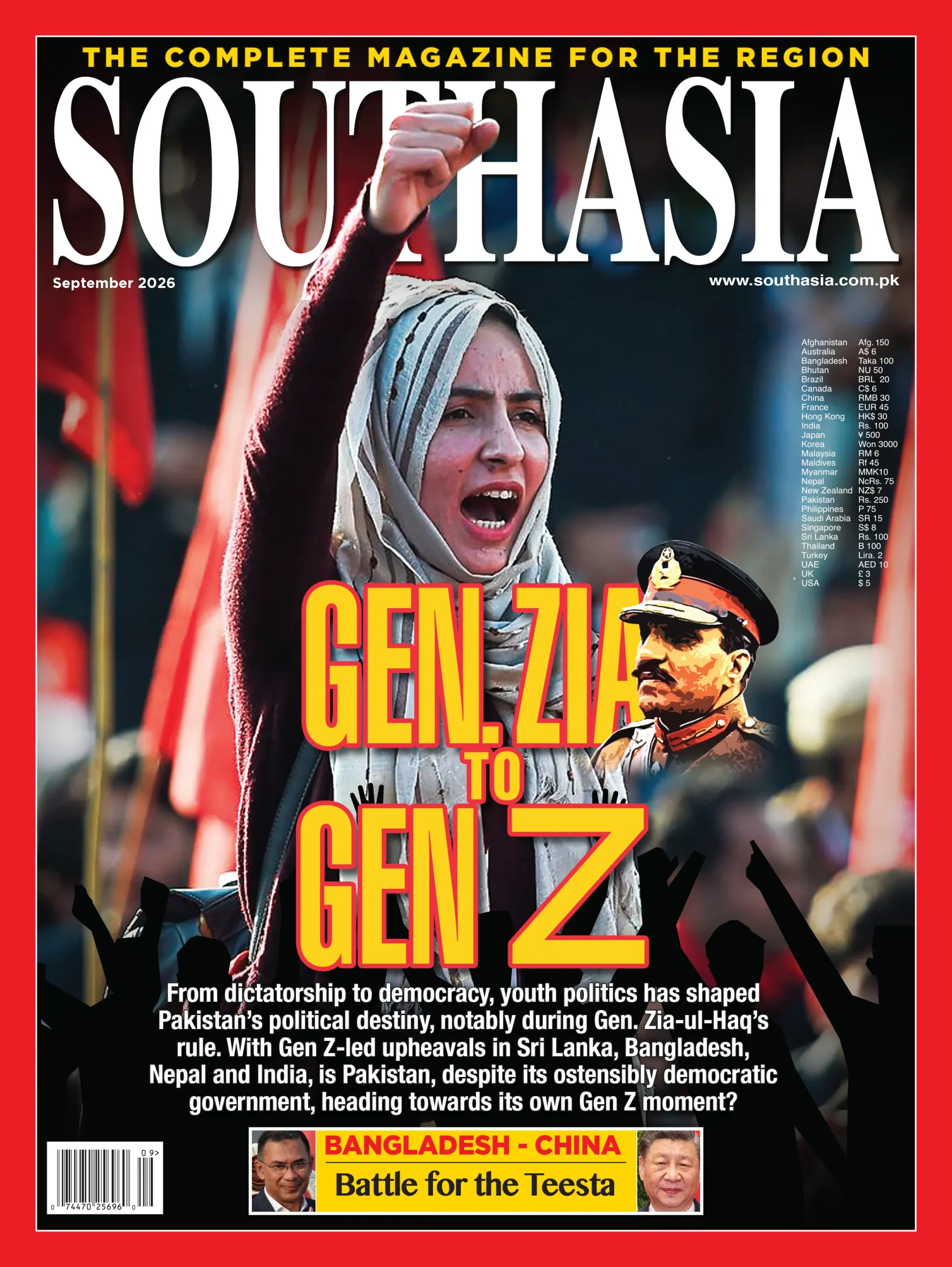



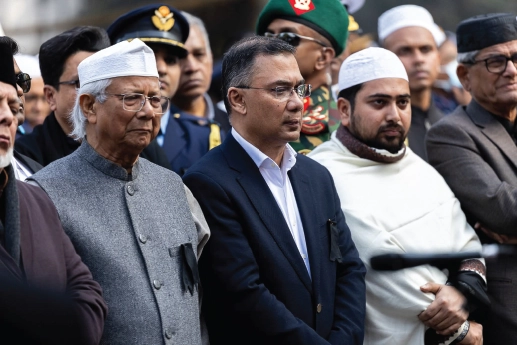
With over 60 percent turnout in the 12th February elections in Bangladesh, the Bangladesh National Party (BNP), arch-rival of the Awami League (AL), has claimed victory, winning 212 seats, well over the 151 required to form a majority government. The AL was banned after the student uprising in July-August 2024, and so was missing from the elections, but pre-election polls had projected a tough competition from the Jamaat-e-Islami led 11 party coalition, including the National Citizens’ Party (NCP), formed by the youth who had led the uprising. The Jamaat has won 77 seats, but the NCP was able to get only six out of the 30 it had contested.
Along with the parliament, the people also voted in a referendum that called for major reforms in the constitution that would, if implemented, prevent the country from becoming hostage to authoritarian rule by limiting the prime ministerial term to two periods, among other judicial and constitutional reforms.
The 2026 Bangladesh elections are notable for several reasons. Firstly, they were clearly the first mainly fair and peaceful elections in over 17 years since Sheikh Hasina, who had ruled the country for more than four terms, had managed to rig the previous ones. Many people who voted in the current election said that earlier, whenever they would go to the polling station, they would find that their vote had already been cast. Apart from some reservations expressed by the Jamaat about some malpractices in counting votes, no major issues have been highlighted in terms of transparency and a peaceful and safe environment.
Secondly, the electorate seems to have opted for the tried and tested, as is obvious from the large majority the BNP occupies. It had been ruling Bangladesh since its founding, it had won the 1981, 1991, and 2001 presidential elections, and the 1979, 1991, February 1996, and 2001 parliament elections. Its rule had been criticized for corruption, political violence, and poor governance. People are now ready to give it another chance, under the leadership of a new and charismatic leader, Tarique Rahman, the son of ex-President Zia and Khaleda Zia, the first female prime minister of Bangladesh.
Thirdly, analysts were foreseeing that the over 45 million young voters, many of whom will be voting for the first time and, inspired by the uprising they had spearheaded, would be able to transform their street power into political strength. This was not so; voters were probably unwilling to pass on leadership of the problem-ridden country to the young.
Fourthly, although the Jamaat lags considerably behind the BNP in votes, it has still won 77 seats. - the largest number it has ever won. This shows that after having five of its leaders executed on the orders of a controversial tribunal and widely acclaimed unfair trials, and being banned for many years by the Awami League, it has returned with vigour to the political force. It has promised to do “positive politics” as the opposition in Parliament. This does mean, however, that the electorate is unwilling to pass the reins of government to the religious right.


Based in Karachi, the writer is a development professional, researcher, translator and columnist with an interest in religion and socio-political issues. She can be reached at nikhat_sattar@yahoo.com
Leave a Reply