



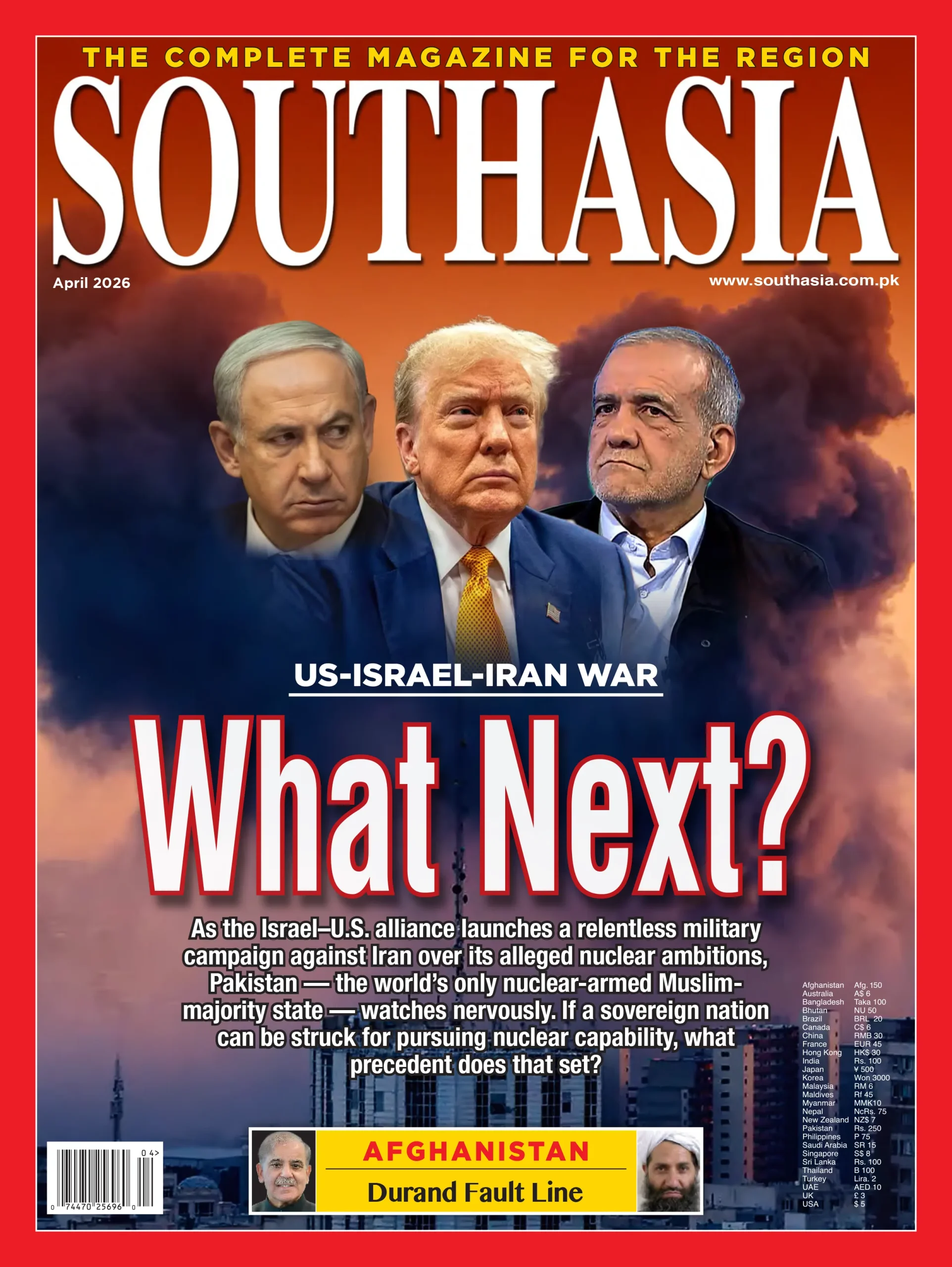
Diplomatic Milestones
This is with reference to the cover story that appeared in the April 2026 edition of SouthAsia Magazine. The recent ceasefire between Iran and the United States signifies a pivotal and encouraging development for the global community. Amid a period marked by geopolitical upheaval and uncertainty, the rapid progress in diplomatic negotiations and the prompt visits by leading political and military officials from Pakistan highlight a significant shift toward reducing hostilities. The easing of tensions between Iran and the United States has been demonstrated by their willingness to find common ground on numerous contentious issues, bringing us closer to achieving a comprehensive and enduring peace agreement. It also represents a distinguished moment in diplomatic history, illustrating that even long-standing conflicts can be addressed through dialogue, perseverance, and international collaboration.
Zehra Minhas,
Islamabad, Pakistan.
Dual Citizenship
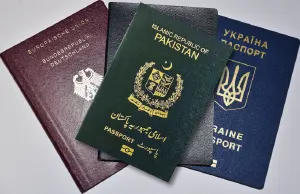 Lately, a report submitted to the Supreme Court of Pakistan revealed that over 22,000 high-ranking government officials held dual citizenship. This suggests that bureaucracy in Pakistan appears to be ensnared in a dilemma wherein loyalty and personal interests are in conflict. And to make things worse, the number has multiplied since then. While these officials pledge to uphold the constitution, their possession of passports from Western countries raises concerns. What’s especially troubling isn’t just their dual citizenship, but the fact that many hold influential roles in key institutions that influence national decisions and resource management. This situation presents a conflict of interest and poses a national security risk. To address this, it’s important to update service rules, dismiss officials with dual citizenship, and confiscate their assets.
Syed Mahmood Ali,
Toronto, Canada.
Restoring Cricket Glory
 The underperformance of Pakistan’s cricket team has become a matter of significant concern. Despite their rich history and talented players, they haven›t been able to perform consistently on the international stage. This situation not only impacts national pride but also affects the sport’s popularity and the growth of new talent in Pakistan. It is important to focus on improving coaching, infrastructure, and player development to restore the team’s former glory. Through collaborative efforts, cricket authorities and stakeholders can identify solutions and revitalize Pakistan’s cricketing spirit. Ultimately, with dedicated efforts and strategic planning, Pakistan can reclaim its position as a formidable force in world cricket and inspire future generations.
Inam Farooq,
Mingora, Pakistan.
Challenges for the Nepalese Government
 The new government in Nepal faces a range of important and urgent challenges that need quick and thoughtful solutions. These encompass persistent economic challenges that hinder advancement, attributed to factors such as unemployment, inflation, and inadequate infrastructure. Equally important is the effort to stabilize political conditions, as ongoing conflicts and discord have impeded effective governance and diminished public confidence. It is essential to develop and implement well-considered policies to advance social development, enhance education, healthcare, and living standards for all citizens. Surmounting these obstacles is fundamental to establishing a stable and prosperous nation, thereby fostering continued progress and a brighter future for Nepal.
Sushil Thapa,
Kathmandu, Nepal.
Reducing Electoral Fairness
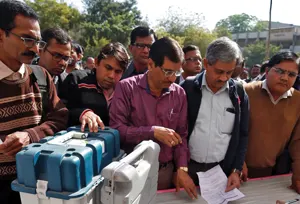 Electoral fairness in India has remained a significant concern, particularly over recent decades. Issues such as unequal influence, caste and community dynamics, and doubts about the integrity of the electoral process have contributed to these concerns. In recent years, the BJP government has been criticized for its policies that are perceived to be anti-Muslim, including the implementation of laws and ordinances that marginalize Muslim communities, and the promotion of rhetoric that fuels communal divisions. These actions have raised questions about the impartiality of electoral processes and the overall fairness of political representation in the country. Ultimately, ensuring a truly impartial and inclusive electoral system is crucial for strengthening India’s democracy.
Aalok Gupta,
Mumbai, India.
Unemployment in Sri Lanka
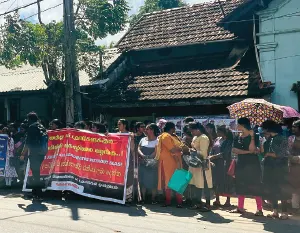 Iam writing to express my profound concern about the escalating unemployment crisis currently affecting Sri Lanka. The escalating unemployment rates are causing substantial economic and social difficulties that impact many families across the nation. This increase in unemployment not only affects people’s livelihoods but also poses a challenge to the country’s overall growth and stability. It’s really important that we come together quickly to boost the economy, create more jobs, and support those hit hardest by this crisis. Solving this important issue calls for teamwork among government officials, businesses, and communities to come up with strategies that can turn things around and build a brighter, more sustainable future for Sri Lanka.
Priyantha S. V. De Silva,
Kandy, Sri Lanka.
Water Crisis in DHA Phase 8
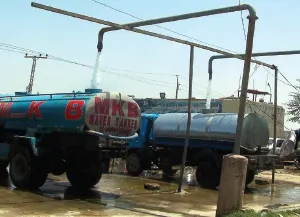 Iam writing to bring to the attention of the authorities and the public a pressing civic issue that has long been ignored — the complete absence of a water supply line in Phase 8 of the Defence Housing Authority (DHA), Karachi. DHA, as an institution, follows a structured policy for allocating water to its residents based on the square-yard area of each plot. This system exists across its various phases and is, in principle, a fair and organized approach to resource distribution. However, Phase 8 has been inexplicably left out of this arrangement entirely. Residents here have no access to a dedicated water line — a utility so fundamental that its absence renders all other amenities meaningless. What makes this situation all the more frustrating is the attitude of the authority itself. DHA is known for being one of Karachi’s most organized and upscale residential schemes. Yet the residents of Phase 8 are being forced to live without one of life’s most basic necessities. There is a cruel irony in the fact that a so-called elite housing society cannot ensure that water flows into the homes of its paying residents. This is not a minor inconvenience. Access to clean water is a fundamental human right, and no housing authority — regardless of its prestige — is above the obligation to provide it. The smug silence of DHA in the face of repeated complaints by Phase 8 residents is both disappointing and unacceptable. We urge DHA’s caretakers to take immediate and concrete steps to extend the water supply network to Phase 8, in line with the provisions available in other phases. The residents of this area pay their dues; they deserve the same civic standards as everyone else.
Imtiaz Burki,
Karachi, Pakistan.