



As the Strait of Hormuz became a global concern during the US-Iran conflict, “austerity” once again echoes through Pakistan’s policy circles. Yet for ordinary citizens, this word has long lost its meaning. Repeated across decades, it now sounds less like policy and more like ritual; invoked in every crisis, it rarely delivers relief to the masses.
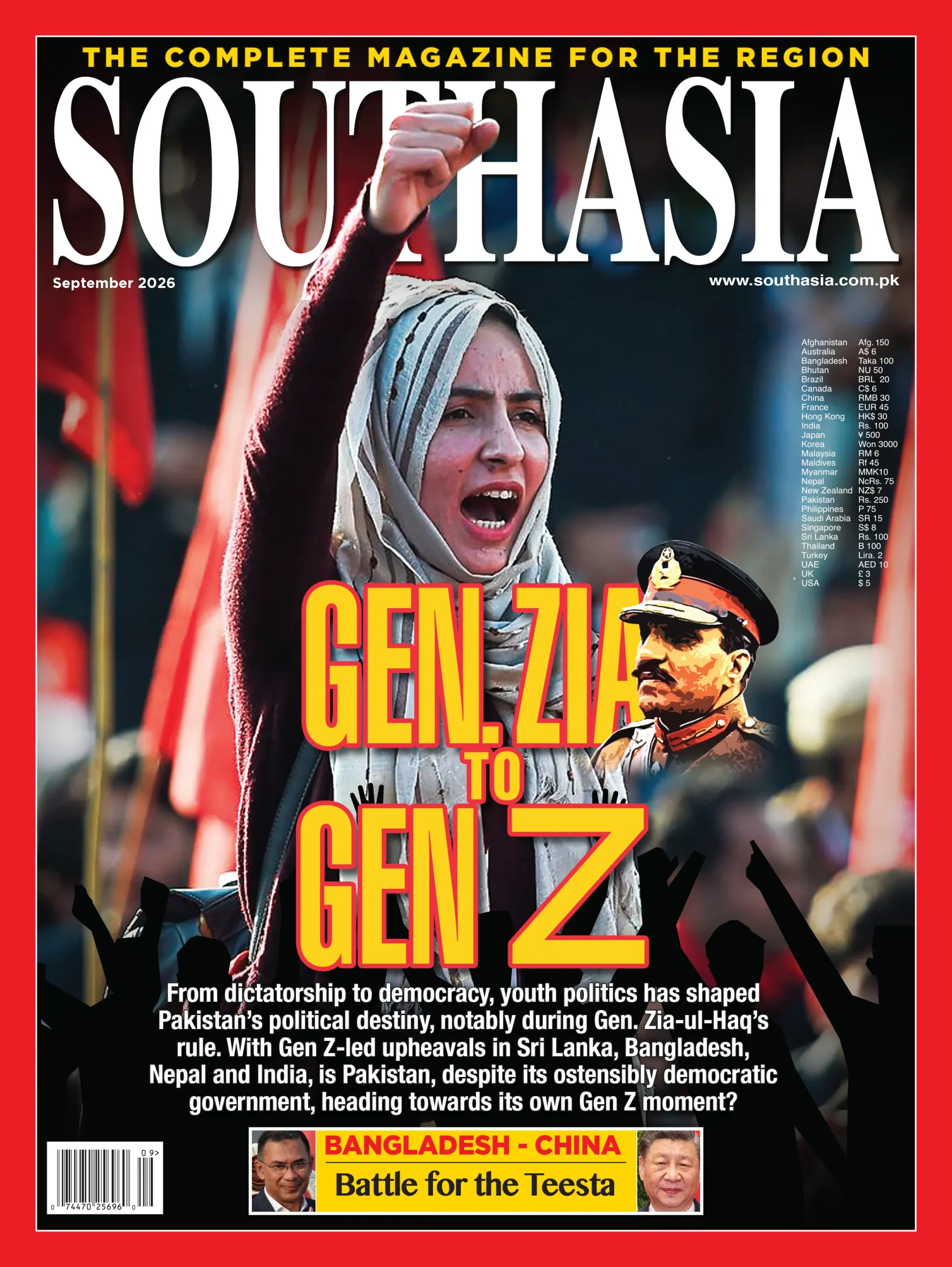
Since independence, successive governments have leaned on austerity as a response to economic stress. Early efforts under Liaquat Ali Khan focused on fiscal restraint in a fragile new state. Under Ayub Khan, the emphasis shifted to controlled public spending. Zulfikar Ali Bhutto expanded the role of the state, aimed to stabilize the economy, but also created inefficiencies. The era of Zia-ul-Haq brought a different form of austerity: cutting public spending, restricting imports, and encouraging remittances. Public campaigns urged citizens to conserve resources, with slogans promoting electricity conservation. These measures, however, were not matched by deep structural reform.
In the democratic periods that followed, Nawaz Sharif and Benazir Bhutto pursued privatization and fiscal tightening, often under pressure from the IMF. Yet fiscal deficits persisted, and reforms lacked continuity. Pervez Musharraf later promoted efficiency and growth, but much of it depended on external inflows rather than durable internal adjustments. More recently, governments led by Imran Khan and Shehbaz Sharif have announced austerity drives. In practice, many remain symbolic, short-lived, and weakly enforced.
The result is a cycle: crisis, austerity, temporary relief, and then relapse. The central question remains: why austerity, despite its repeated use, has failed to deliver lasting benefits for the public.
Austerity works when it is credible, consistent, and, most importantly, shared. After World War II, the United Kingdom implemented strict rationing, high taxation, and disciplined public spending. Crucially, these measures were accepted across society, including political, administrative, and economic elites. This shared sacrifice helped stabilize finances while laying the foundation of a welfare state.
In South Korea, the 1997 financial crisis triggered painful austerity measures. Citizens accepted layoffs, higher taxes, and restructuring because elite groups also absorbed losses and signalled commitment. Likewise, Singapore has maintained fiscal discipline through strong institutions, low corruption, and a consistent expectation that those in power will adhere to the same rules as the public.
Where austerity has failed, the pattern reverses. In Greece after 2010, cuts and tax increases fell heavily on the public, while tax evasion among elites and weak enforcement undermined trust. In Argentina, repeated cycles of austerity collapsed under political resistance and institutional fragility. The lesson is clear: austerity without fairness cannot endure.
Pakistan today reflects many of these failures. The divide between rich and poor is not only wide but also institutionalized. For millions, daily life is shaped by uncertainty. A proper meal is not guaranteed. Inflation erodes purchasing power, and child stunting remains a persistent concern. Public schools struggle with quality and access, while healthcare is underfunded and often dependent on out-of-pocket spending.


The writer is a Research Assistant at the Centre for International Strategic Studies Sindh (CISSS), Karachi. He can be reached at alihamza@cisss.org.pk
Leave a Reply