



A nation’s geographical position predominantly influences the dynamics of postwar geopolitics. Ground realities, concerns, issues, and future build-up. Whether it is the devastating events of WWII or any subsequent conflicts, postwar circumstances significantly affected both regional environments and global political landscapes. As George Friedman, “In geopolitics, a nation has no permanent allies or permanent enemies, only permanent interests.”
The Israel-US-Iran war, which began on February 28, 2026, targeted Iran’s military and government sites and resulted in the death of Iran’s supreme leader, Ayatollah Ali Khamenei, several politicians and security officials. US struck back with admonishment of the shutdown of Iran’s alleged nuclear program, which was basically initiated by the US government itself in 1950 during Reza Shah Pahlavi’s tenure. The US and Iran were at their best in relations at that time.
This friendship started becoming inimical when Mohammad Musaddiq assumed power and nationalized the Iranian oil industry. The US then initiated regime change within Iran, and Pahlavi was reinstated. In 1954, Pahlavi was forced to sign an agreement that awarded the US, British, and French companies 40% of Iran’s oil reserves. In 1979, another regime change occurred: Ayatollah Khomeini assumed leadership following a revolution by the Iranian people that ousted the US-installed Pahlavi. By this time, the Iranian public, tired of foreign interventions in their domestic affairs, saw resentment towards the US rise. This was when the US embassy in Tehran was seized on November 4, 1979. Some 52 American diplomats and civilians were held for 444 days until January 20, 1981. In response, the US froze Iranian assets globally, totaling in excess of $100 billion and imposed sanctions on Iran’s use of nuclear energy and related energy industries. Since then, it has been an ongoing give-and-take.
The ongoing US campaign against Iran also reflects other issues. It gives an impression of the proxy war in affiliation with the state of Israel, which the US got involved in with an absolute miscalculation of Iran’s defensive capabilities. Iran’s retaliation with this strike surprised not only Israel and the US but also its neighbouring countries within the Middle East. With its stern action, Iran has drawn the Arab states into a compulsion to measure the alliance with the superpower and its biggest ally, Israel. They are all engaged with billions of dollars worth of trade and defense agreements with the US. The US has relied on Saudi Arabia and the UAE in normalizing diplomatic relations with Israel within the region. With the Abraham Accords in the air, it has already created an uncomfortable situation among the states themselves.
For decades, there has been distrust and apprehension among Middle Eastern states as they have developed and joined the international community. With the petrodollar bounty, they did establish themselves as competitors, not only in the race for empowerment but also in significant divisions over regional politics. Yemen, Syria, Libya and others drew proxies in the region. Sectarian conflict has been a persistent issue with Iran on the scene as a Shia state and having Persian roots. In fact, Iran has never been considered by its neighbours as an Arab state despite being the key power between Arab states and South Asia.
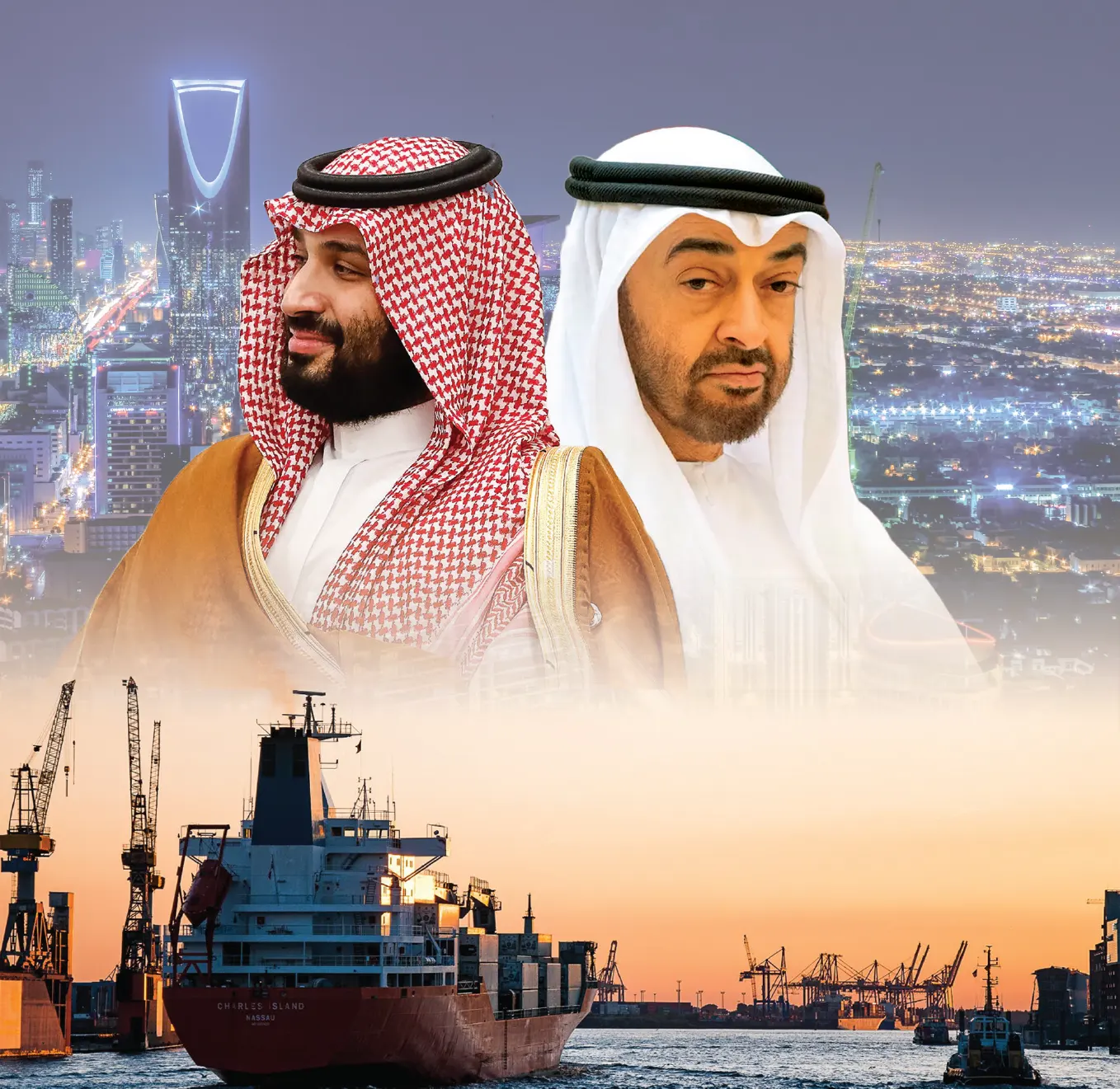
The Organization of the Petroleum Exporting Countries (OPEC) was founded in 1960 to coordinate and unify petroleum policies among member countries, stabilize prices, and ensure a regular supply of petroleum to consuming nations, with a fair return on capital for those investing in the industry. The cartel rose to international prominence in the 1970s, playing a greater role in global oil markets. Saudi Arabia assumed responsibility for maintaining OPEC’s bylaws to ensure reliability for all beneficiaries. UAE’s recent exit from the cartel reflects a widening gap between the two regional powers and a rejection of the system dictated by Saudi Arabia. This exit threatens OPEC’s capabilities and competencies.



The writer is a freelance columnist based in Chicago, United States. She covers a range of subjects related to international relations and social development and can be reached at ymozaffar@hotmail.com
Leave a Reply