



 The geopolitical landscape is undergoing a profound transformation. Escalating tensions involving the United States, Israel, and Iran have accelerated strategic realignments across regions, compelling nations to reassess long-standing security partnerships and diplomatic priorities. Against this backdrop, Pakistan has increasingly attracted international attention for its growing diplomatic engagement and expanding security role in parts of the Middle East. As regional dynamics continue to evolve, the moment is opportune for Islamabad to sustain this diplomatic momentum through measured, forward-looking, and responsible statecraft. Pakistan’s recent diplomatic initiatives have arguably marked an important milestone in its foreign policy. For a country that continues to grapple with significant socio-economic challenges at home, emerging as a credible security partner for Saudi Arabia represents a notable strategic achievement. Yet, this should be viewed not as the culmination of Pakistan’s regional ambitions but as the beginning of a broader, long-term diplomatic journey.
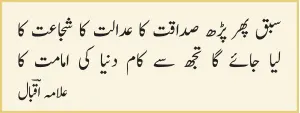
As uncertainty grows over the future architecture of regional security, this changing environment presents Pakistan with an opportunity to further develop its credentials as a constructive security partner, not only within South Asia but also across the wider Middle East and the broader Muslim world. The Strategic Mutual Defence Agreement (SMDA) between Pakistan and Saudi Arabia has been widely viewed as a significant step towards deeper military and strategic cooperation between the two countries. If managed prudently, this framework could serve as a useful model for expanding defence collaboration with other willing partners. Media reports have also suggested discussions surrounding a broader security arrangement involving Pakistan, Saudi Arabia, Egypt, and Türkiye, while separate reports indicate that Pakistan is exploring the possibility of a similar strategic framework with Kuwait. Although many of these developments remain subject to official confirmation, they reflect the growing perception of Pakistan as an increasingly relevant strategic actor in the region. Pakistan’s diplomatic outreach has not been confined to defence cooperation alone. Reports of Islamabad quietly facilitating dialogue in politically divided states, including Libya, point towards an emerging role as a mediator capable of contributing to conflict resolution and regional stability. If these efforts continue to mature, Pakistan may find opportunities to deepen security and diplomatic partnerships with other resource-rich and strategically important nations across the Middle East, Africa, and Southeast Asia. In this regard, constructive cooperation with key partners, including China, could provide valuable support for Pakistan’s broader regional objectives, provided such cooperation remains transparent and contributes to regional peace and stability.
The ongoing turbulence in the Middle East has prompted many regional states to reassess their security assumptions and long-standing strategic arrangements. For several countries, recent events have reinforced the importance of developing more diversified and regionally anchored security partnerships capable of responding effectively to emerging threats and uncertainties. Whether this ultimately leads to a new regional security architecture remains to be seen, but the debate itself reflects the changing realities of international politics. For Pakistan, this evolving environment presents both an opportunity and a test, as meaningful influence is earned not through rhetoric or triumphalism, but through consistent diplomacy, credible partnerships, and responsible leadership. That is the path Pakistan should pursue as it seeks to enhance its standing in the community of nations.