



New Act, Same Script
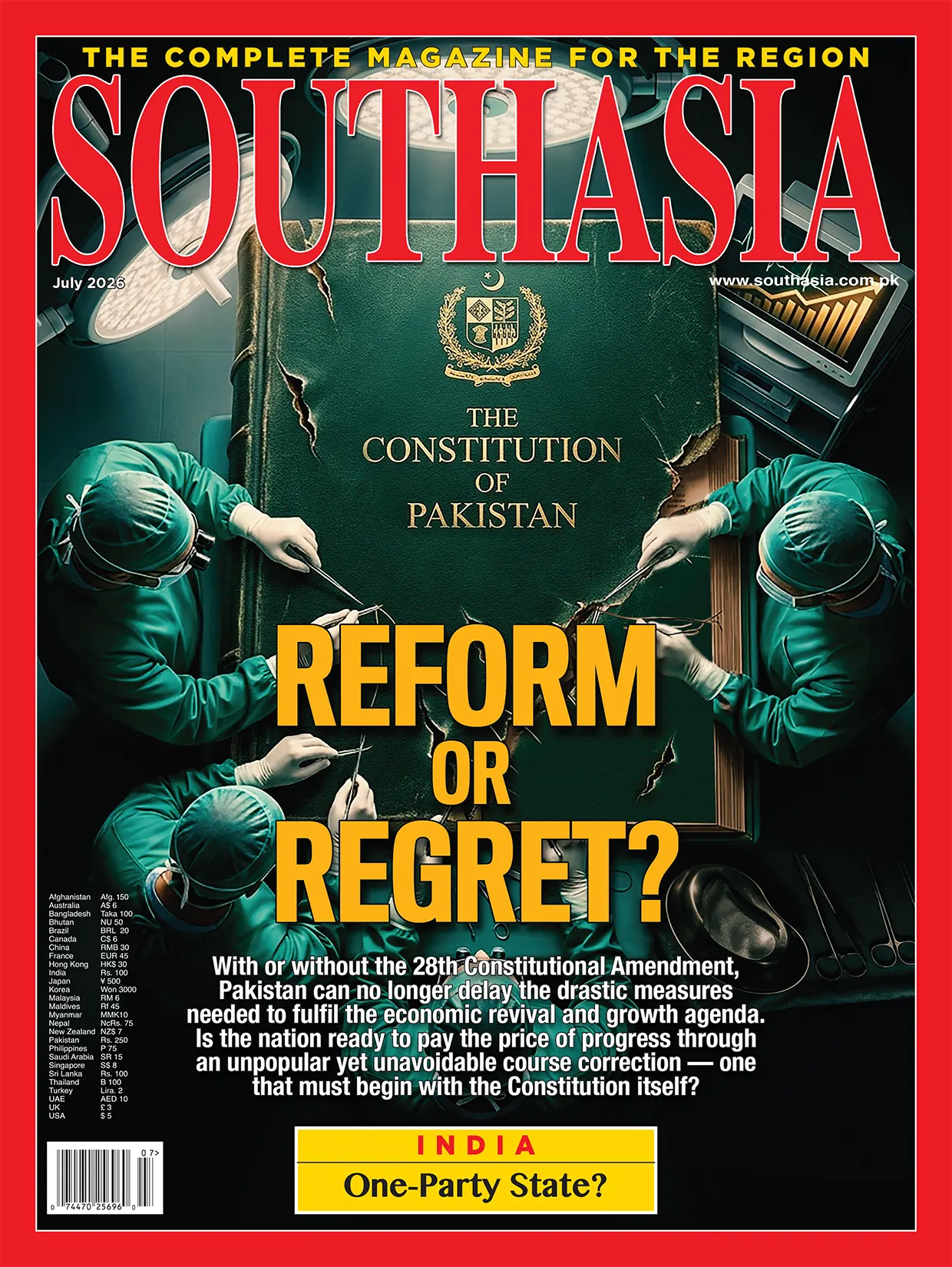
This is with reference to the cover story titled ‘Reform or Regret?’ that appeared in SouthAsia Magazine in its July 2026 edition. Led by Prime Minister Shehbaz Sharif, the Pakistani government continues to deny reports about the 28th Amendment. However, such denials are a recurring pattern. Previously, federal ministers regularly issued similar denials. Before the 26th and 27th Amendments, ministers confidently stated that no amendments were in progress or being considered. Despite this, media reports persisted about potential amendments, which eventually became law. The situation with the 28th Amendment follows this established pattern.
Jehanzeb Mangi,
Tharparkar, Pakistan.
Significance of Donald Trump’s Visit
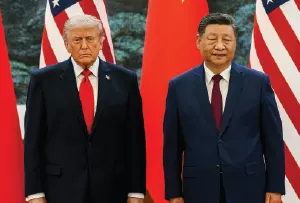
Global politics is at a pivotal point where power, trade, technology, and diplomacy are interconnected. The U.S. President’s visit to China is a significant event amid recent tensions, including trade conflicts and technological restrictions, with the U.S. viewing China as its main economic and strategic rival. Even with their rivalries, there’s a strong mutual dependence. China relies on American technology and markets, while the U.S. depends on Chinese goods and supply chains, a dynamic that could help prevent major conflicts. U.S. President Trump’s visit, despite contradictions and political compromises, offers hope. The world is tired of wars and sanctions, and responsible competition between Washington and Beijing could benefit global stability.
Arjun Kumar,
Dubai, UAE.
Strengthening Pakistan-Bangladesh Ties
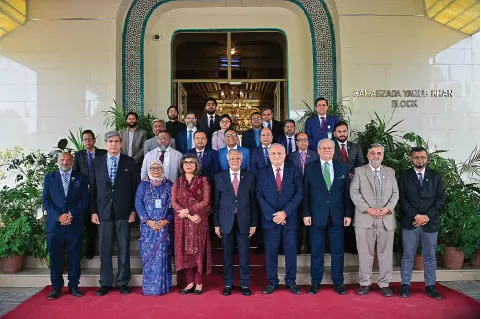
I found Mariam Khan’s article, “De-Hyphenating 1971,” published in the July 2026 edition of SouthAsia, both thought-provoking and informative. Her analysis of the recent positive developments in Pakistan-Bangladesh relations is timely and encouraging.
As long as the Bangladesh Nationalist Party remains in power, both countries should seize this opportunity to build a relationship that is enduring, mutually beneficial, and sustainable. However, official exchanges of delegations, civil servants, or military personnel alone will not achieve this objective. Lasting goodwill can only be fostered through stronger people-to-people contacts and greater economic and cultural engagement.
To strengthen bilateral ties, Pakistan should consider the following measures:
Introduce visa-on-arrival facilities or visa-free travel to encourage tourism, business, and family visits.
Expand bilateral trade by exporting products such as cotton, mangoes, and sugar, while importing Bangladeshi products, including jute, pineapples, bananas, and other agricultural goods.
Reduce tariffs on mutually agreed products to facilitate trade and investment.
Promote cultural exchanges involving writers, artists, musicians, academics, students, and sports teams to strengthen mutual understanding.
Officially recognise the contributions of Bengali leaders who played a vital role in the Pakistan Movement. Huseyn Shaheed Suhrawardy, for example, drafted the 1946 Delhi Resolution that paved the way for a united Pakistan. As Pakistan’s Law Minister, he was instrumental in framing the 1956 Constitution and later served the country with distinction as Prime Minister. In recognition of his invaluable services, the Government of Pakistan should consider posthumously awarding him the Nishan-e-Imtiaz.
The past cannot be changed, but both countries can shape a future based on mutual respect, cooperation, and shared prosperity.
Muhammad Shahbaz,
Lahore, Pakistan.
Myth of Cheap Iranian Oil
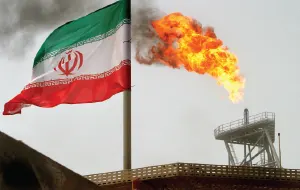
Could Iran’s return to the global market bring cheaper fuel to Pakistan? The quick answer is probably not. Pakistan mainly imports its crude oil and petroleum from Saudi Arabia and the United Arab Emirates. When Russian oil began arriving in Pakistan in 2023, it signaled a major shift: the global energy market was becoming more accessible. Currently, petrol costs around Rs 299 per liter and diesel Rs 311 in Pakistan, but Iranian diesel and petrol are available in Balochistan for about Rs 250 per liter. Even though this seems like a big difference, these prices are still influenced by sanctions and reflect a controlled economy rather than a free market. When political barriers lift, supply chains can adapt. In a similar vein, once Iran fully re-enters the global oil supply chain, prices will align with international standards, and the cost advantage will largely disappear.
Muhammad Asif Sohail,
Karachi, Pakistan.
America’s Iran Gamble
 As things currently stand, if the U.S. hopes to make a deal with Iran, it will need to put pressure on Israel to halt its attacks in Lebanon. Under pressure from the United States, Israel agreed to a ceasefire in Lebanon, but Tel Aviv’s actions suggest it might not fully trust Washington’s role as guarantor. Israeli officials keep saying they will continue targeting Hezbollah, while Iran emphasizes that the responsibility for ensuring Israel sticks to the agreement lies with the United States. The U.S. needs to remember that the best way to achieve this is through meaningful negotiations. The current approach, seen as aggressive against Iran, has affected America’s reputation and standing as a superpower. President Trump’s decision to launch military strikes against Iran, ostensibly to serve Israeli interests, has now led the U.S. down this difficult path.
Nikhil Deshpande,
Nagpur, India.
Gen-Z Movements and Pakistan
The recent emergence of Gen-Z movements in South Asia has been very influential in shaping the political and social landscape. While they’ve played a vital role in countries like Sri Lanka, Nepal, and Bangladesh, a similar scene is unfolding in India with the rise of the Cockroach Janata Party. These youth movements teach us valuable lessons. Respecting freedom of expression and public opinion is so important, especially when listening to young people, whose voices should never be ignored. Pakistani political leaders and institutions need to understand that real change requires more than surface-level efforts; they must revamp their governance quickly and sincerely. Tackling issues like inflation, corruption, unemployment, and the excessive spending by leaders, government officials, and the bureaucracy should be a top priority, done with genuine care and strong determination.
Shehla Qandhari,
Lahore, Pakistan.
Bhutan’s Quiet Crisis
 Many advanced countries are managing the effects of aging populations and declining birth rates. Interestingly, Bhutan, despite its lower economic standing, is facing similar challenges. While a declining birth rate is a concern, the bigger issue for a small country like Bhutan is the rapid departure of young, educated Bhutanese to countries such as Australia, Canada, and the United States. When professionals such as teachers, nurses, engineers, and civil servants leave in large numbers, it affects more than just the economy. The country begins to lose valuable experience, administrative skills, and eventually, confidence in its future. This brain drain could hinder Bhutan’s long-term development prospects.
Pema Namgyal,
Thimphu, Bhutan.