


As poll fever sweeps Sri Lanka, the primary question, according to the country’s discredited political class, is who or which party or alliance will win power in the presidential and parliamentary elections, which are expected to take place this year. In general, the political players and forces in Southern Sri Lanka are primarily concerned with self-interest and power accumulation. These causes mainly drive the present surge in political involvement in the South.
However, the South should be more concerned with current, and to a large degree, historical changes in Tamil politics. To be more specific, political forces and personalities in the South would be acting with more incredible foresight if they weighed the pros and cons of electing Jaffna district parliamentarian Sivagnanam Shritharan, a Tamil nationalist, to the position of head of the Illankai Thamil Arasuk Katchi (ITAK), or Federal Party, by a significant margin over his closest competitor.
The above election does not necessarily portend a significant revival of separatist sentiment in the North-East. Still, it should be viewed as symptomatic of the ongoing alienation that a significant North-East population feels about the country’s political center. Simply put, the North-East’s most pressing requirements are not being met.
More particularly, the North-East people have no cause to be satisfied with their current situation, even though the anti-LTTE battle has been over for an extended period. But what can be expected of national administrations unwilling to fully execute the 13th Amendment to the Sri Lankan Constitution? Instead, administrations have made promises to the people of the North-East only to break them.
As a result, central governments, intentionally or unintentionally, are creating causes for dissatisfaction among some segments of the Tamil political community. From this, it’s only a short step to dissatisfaction and insurrection, as the history of the Tamil crisis demonstrates. It is up to the centre to guarantee that Sri Lanka does not repeat that disastrous cycle. Thus, Shritharan’s election should be viewed as a ‘wake-up’ call, particularly by the administration. It must act now to bring genuine growth to the North-East, or the region’s identity politics may spiral out of control.
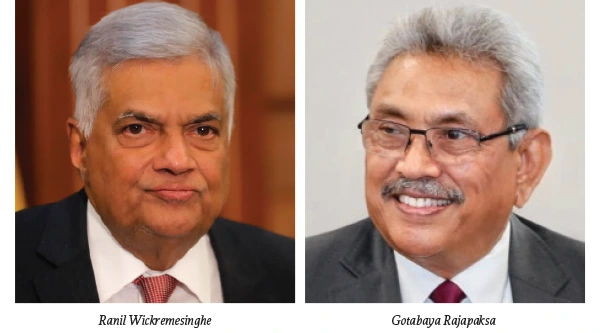
Sri Lanka’s 30-year struggle should have made it clear that a lack of retributive justice leads to the emergence of identity politics and secession. Sri Lanka’s political arena is characterized by a complicated web of alliances, splits, and uncertainties as the country prepares for the 2024 presidential elections. The ruling party, the Sri Lanka Podujana Peramuna (SLPP), led by the Rajapaksa brothers, is at the core of this political upheaval, facing severe hurdles in the face of considerable popular discontent. Despite its vulnerable situation, the SLPP has formed an odd coalition with its former bitter foe, the United National Party (UNP), led by Ranil Wickremesinghe. This coalition was created out of necessity rather than shared philosophy and supplied the administration with the legislative backing required to enact legislation.


The writer has done his Masters in Defence and Strategic Studies. He can be reached at daniyaltalat2013@gmail.com
Leave a Reply