



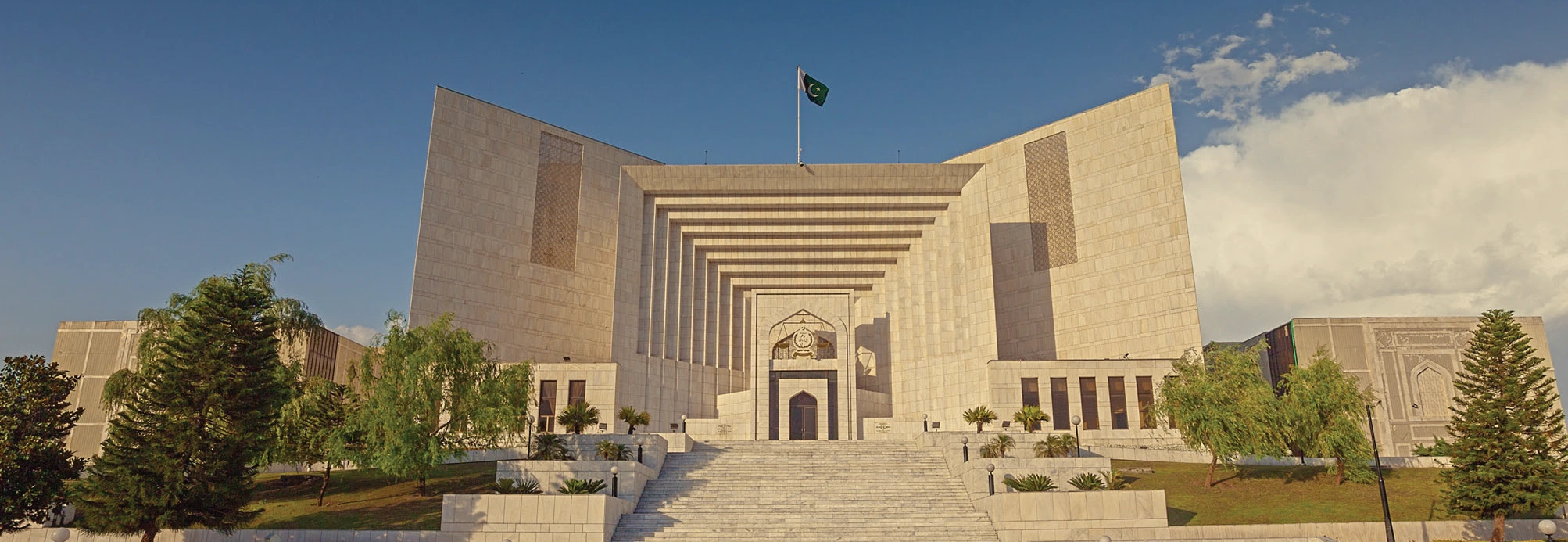
If a time-honoured legal convention is anything to go by, the chief justice of the Supreme Court of Pakistan enjoys considerable authority as the “master of the roster.” As a result, he can exercise unfettered discretion to form benches and assign cases. However, the current chief justice isn’t keen on upholding this convention.
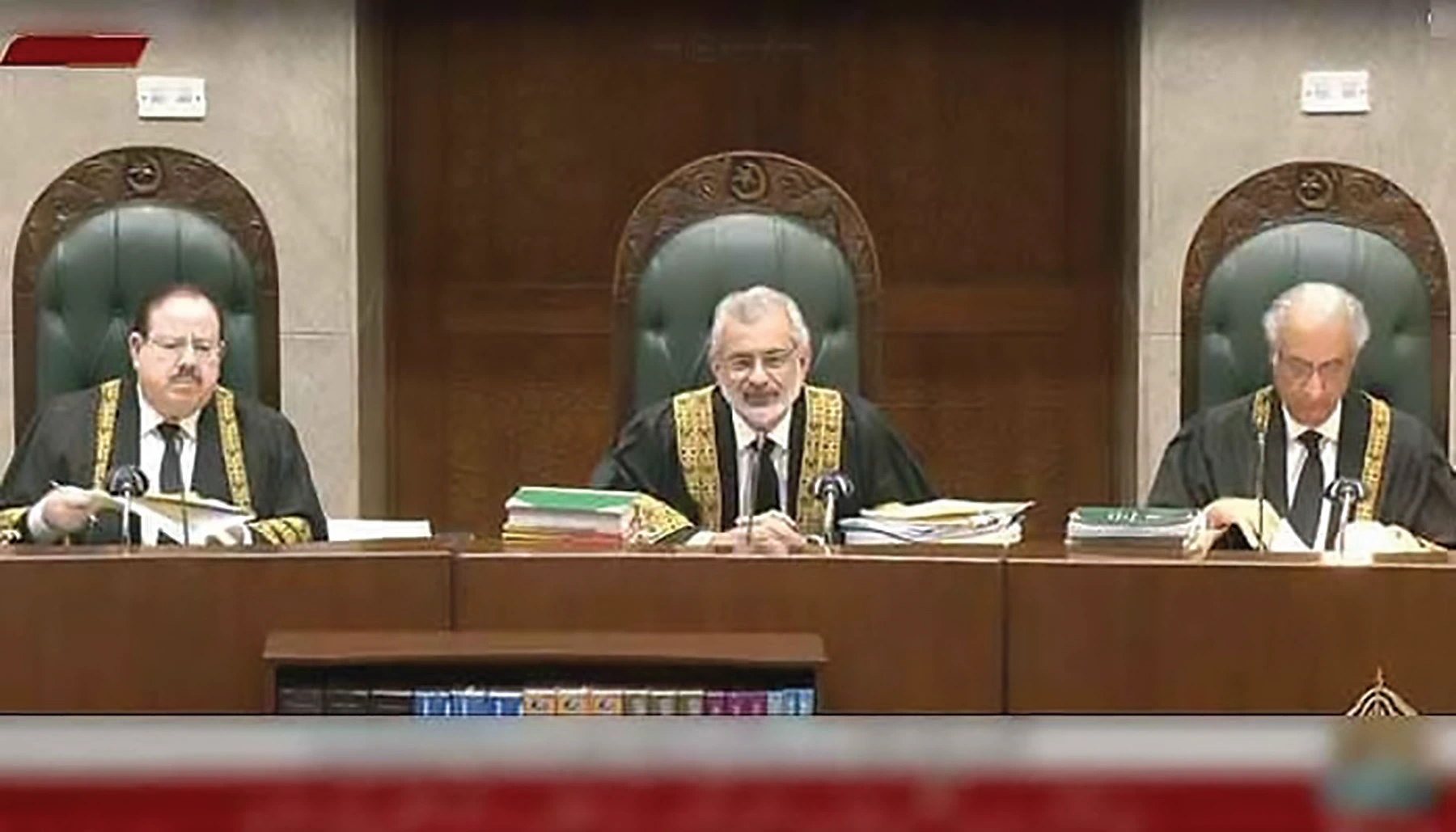
In a 22-page judgment issued on December 27, Chief Justice Qazi Faez Isa asserted that the apex court chief isn’t the “master of the roster” as the term isn’t mentioned in the Constitution. As per CJP Isa’s judgment, the chief justice doesn’t possess the authority to “decide cases unilaterally and arbitrarily” and “substitute his wisdom with that of the Constitution.” The CJP argued that the term “master” is antithetical to the democratic principles of a “constitutional dispensation.” According to the chief justice, the concentration of power in the hands of a sole authority figure could undermine the legitimacy, credibility, and integrity of the judiciary.
The 22-page judgment dealt with the Supreme Court (Practice and Procedure) Act 2023. The legislation passed by parliament in April 2023 was geared towards limiting the discretionary powers of the chief justice, especially concerning suo-motu proceedings and the composition of benches.
Over the last few months, legal experts have found it increasingly difficult to overlook the circumstances under which the law came into existence. In March 2023, the Supreme Court took suo-motu notice and demanded polls for the provincial assemblies in Khyber-Pakhtunkhwa and Punjab be conducted within 90 days. It isn’t judicious to ascribe malicious intentions to parliament’s law-making function. But, even so, some legal and political experts believed the erstwhile PDM government introduced the 2023 bill to curb the CJP’s suo-motu powers.
An eight-member bench, which included the then CJP Justice Umar Ata Bandial, took up a petition to challenge the bill’s validity. Once CJP Isa assumed office, he constituted a full bench to hear the case and permitted a live telecast of the proceedings to guarantee transparency. In October 2023, the apex court dismissed petitions against the legislation and ruled that the legislation was in accordance with the Constitution. The ruling was celebrated as a step in the right direction. An editorial titled ‘Masters of the roster,’ published in The News (Oct 12, 2023), perceived the verdict as an attempt to revive the credibility of the superior judiciary. Dawn’s editorial comment -- titled ‘Positive steps’ (Oct 13, 2023) -- lauded the top court’s “considerable deference” to parliament’s legislative capacity and the CJP’s willingness to relinquish his discretionary powers for the “greater benefit.”
The Supreme Court (Practice and Procedure) Act ought to be commended for seeking to achieve some semblance of accountability and transparency in the judicial process. The legislation requires a three-member committee of senior judges, including the CJP, to approve suo-motu notices. At first glance, this legislative provision can be viewed as an attempt to curtail the discretionary authority of the chief justice. Suo-motu notices are indissolubly linked with Article 184 of the Constitution. Under this constitutional provision, the Supreme Court can take up any matter of public significance with regard to the enforcement of fundamental rights. In the past, the CJP could exercise this jurisdiction in an individual capacity. Some legal experts believe Parliament has used the new legislation to carve out an entirely new jurisdiction in this respect without amending the Constitution. Therefore, they view the legislation as a calibrated attempt to stifle the independence of the judiciary.
However, sceptics are urged against adopting a cynical thesis on the matter. For over a year, the judiciary has been billed as an exceedingly politicized institution. The decision to allow a panel of three judges to determine suo-motu notices will prevent the superior judiciary from being perceived as a one-man power show. This will help streamline the judicial process and make it more accountable.


The writer is a journalist and author. He analyses international issues and can be reached at tahakehar2@gmail.com
Leave a Reply