

Dhaka
Common Concerns
With the Awami League back in power, Bangladesh needs to mend its ties with Washington to ensure continued support for Bangladesh’s development and growth.

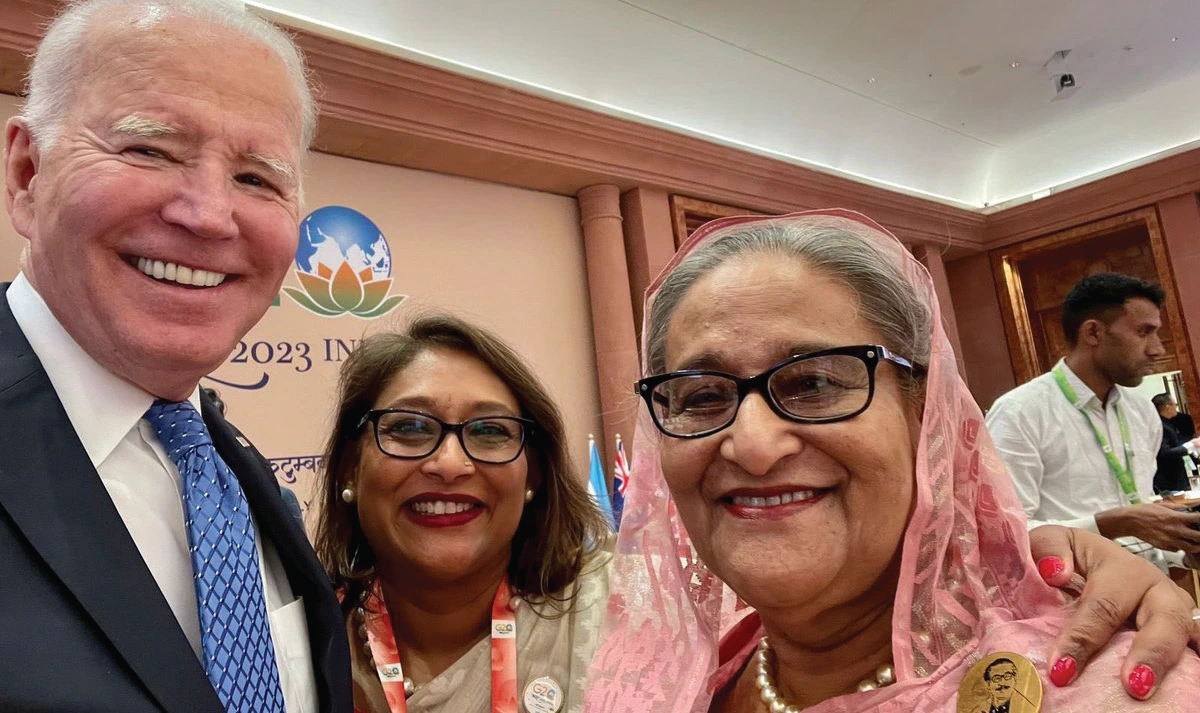
The United States has been consistently urging Bangladesh to hold free and fair elections, which has led to increased scrutiny of its involvement in the country’s domestic affairs. This pressure has encouraged China and Russia to accuse the US of meddling in Bangladesh’s internal politics. As the Awami League (AL), led by Prime Minister Sheikh Hasina, returns to power, examining the strained relationship between Dhaka and Washington is crucial, as well as exploring possible ways to mend these ties.
Visibly, the United States has long advocated for democracy and good governance globally. In the case of Bangladesh, the US has expressed concerns over the conduct of elections and the need for transparency and impartiality. This pressure is not new, as it has been a recurring theme in US-Bangladesh relations since the early 2000s. Indeed, the US has been vocal about its expectations for fair elections in Bangladesh, believing these would contribute to a more stable and prosperous nation.
However, this has led to accusations from China and Russia that the US is attempting to influence Bangladesh’s political landscape to further its strategic interests. Interestingly, China and Russia have quickly capitalized on the US’s public pressure on Bangladesh. They have used this to strengthen their ties with Dhaka, portraying themselves as non-interfering allies. Both countries have been providing significant financial and infrastructure support to Bangladesh, which the government has well received.
Likewise, this has provided China and Russia a fair chance to accuse the United States of meddling in Bangladesh’s domestic affairs, portraying themselves as neutral parties that respect the country’s sovereignty. This narrative has gained traction among some sections of the Bangladeshi population, particularly those who view the US’s involvement as an attempt to undermine their nation’s sovereignty. The US pressure on Bangladesh to hold free and fair elections has inadvertently given China and Russia a pretext to intervene in Bangladesh’s political landscape.
In this contest, the Hasina-led Awami League’s return to power is relevant to discuss, as the Awami League has secured another term in power after the recent general elections held in January this year. While the elections were not without controversy, the AL’s victory has been acknowledged by international observers, including the US, as reflecting the will of the Bangladeshi people. Indeed, with the AL back in power, Dhaka needs to mend its ties with Washington to ensure continued support for Bangladesh’s development and growth. The US has been a long-standing partner in various sectors, including trade, education, and security, and Bangladesh must maintain this relationship. Despite this, there can still be a light at the end of the tunnel in this predicament.
First, the Bangladeshi government should address the concerns raised by the US and other international observers regarding the conduct of elections. This can be done by implementing electoral reforms and ensuring a level playing field for all political parties. Another policy measure could be enhancing open and transparent communication between the US and Bangladesh to foster a healthy relationship. Both sides should engage in regular dialogues to address concerns and work together on areas of mutual interest.
In addition, focusing on common goals for more comprehensive benefits should be prioritised. Bangladesh and the US should emphasize their shared interests, such as combating climate change, promoting economic growth, and ensuring regional stability. They can work together to overcome any lingering tensions by focusing on these common goals. The Bangladeshi government should work towards strengthening parliamentary democracy by ensuring the independence of key institutions, such as the judiciary and the election commission. This will demonstrate a commitment to good governance and address concerns the US and other international actors raise.![]()

The writer is a member of the staff and can be reached at mehak@southasia.com.pk
Pakistan urges Afghanistan to address terrorism as ‘shared concern’
New Team at PBA
Pakistan seeks investment, not loans: PM
Pakistan, China to form WG on 5 new economic corridors
ChatGPT sees a surge in website traffic as schools reopen
US diplomat visits Napa
Sarah Ahmad wins prestigious award
Pakistan eyes $300m by selling Panda Bonds
Tunnel becomes the latest flashpoint in India-China border tensions
India’s ‘Silicon Valley’ is running out of water
New Delhi summons US diplomat over Kejriwal’s arrest remarks
World’s super rich attend pre-wedding bash of Mukesh Ambani’s son
Shahid Afridi and Mushtaq Ahmed Demand Censorship
Biden, Netanyahu hold first call in over a month
Telenor Pakistan launches female sales trainee program
NBP’s Annual Corporate Briefing
Sailor martyred in operation against Indian fishermen


Leave a Reply