



 Any healthy democratic dispensation should seek to ensure all state power is vested in the people. However, these cherished ideals are often undermined when democratic principles are put into practice. Most countries struggle to uphold the people’s will at all costs and instead succumb to autocratic impulses.
Amid the threat of democratic backsliding, political sociologist Andrew Perrin has billed 2024 as a “watershed year” when the concept of democracy will be put to the test. Elections have been held in Bangladesh and Pakistan, and a diverse mix of countries -- including India, Taiwan, Indonesia, and the US -- are expected to go to the polls later this year.
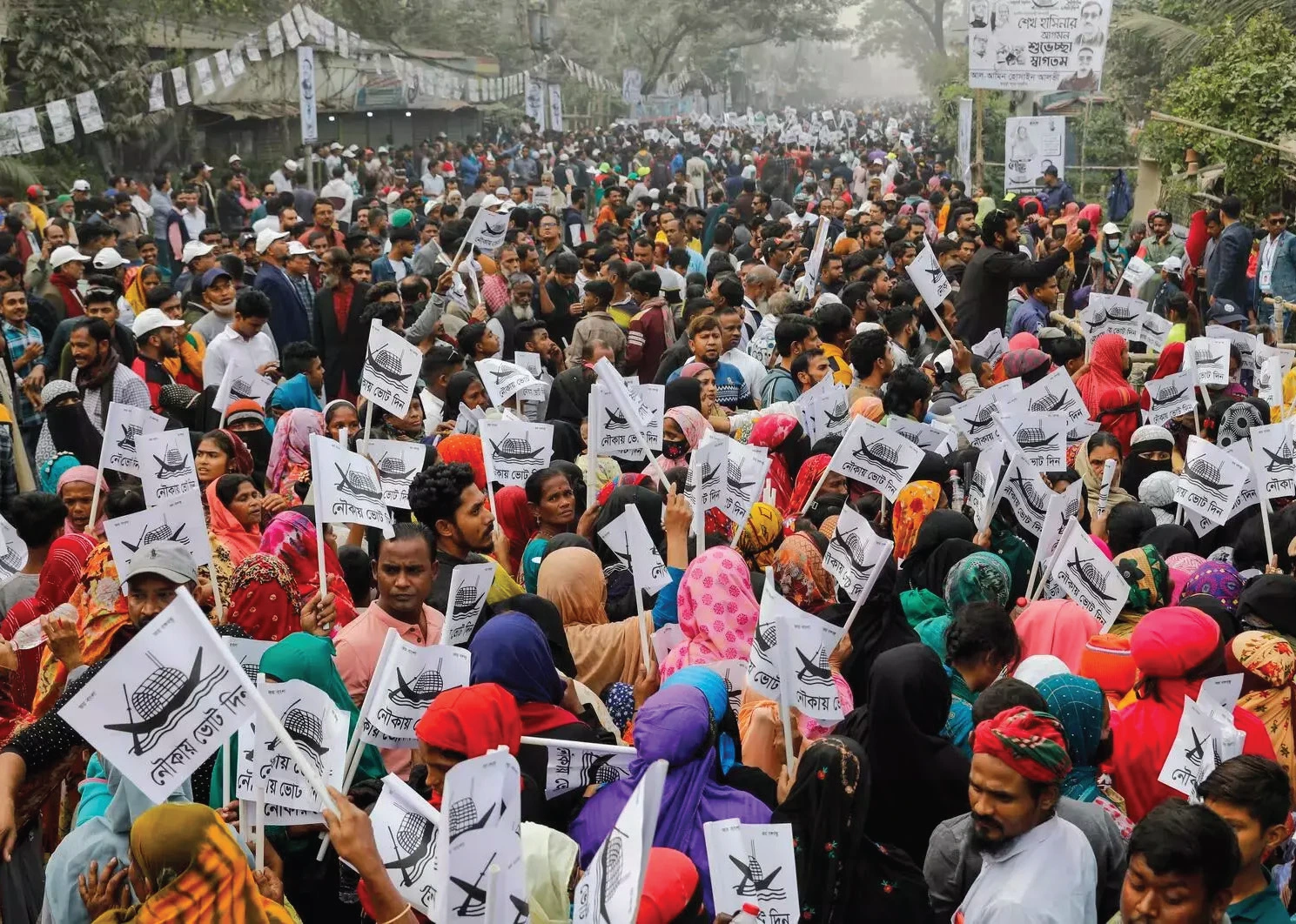
Following the recent cycle of elections in Bangladesh, the country’s democratic polity appears to have taken a backseat to an electoral autocracy. The ruling dispensation carried out an intense crackdown against opposition leaders and political activists in the months before the January polls. In this politically fraught environment, the Bangladesh National Party (BNP) boycotted the polls as its leadership feared excessive government interference would undermine the democratic process. Unsurprisingly, the Sheikh Hasina Wajid-led Awami League seized the reins for yet another term.
Days later, a new cabinet comprising 36 ministers took oath. Most ministers have retained their previous portfolios, while others have been reshuffled and assigned new responsibilities. For instance, Nasrul Hamid will remain the state minister for energy. A seasoned politician, Hamid will continue to weather the storms that besieged the energy sector amid concerns of a heightening subsidy burden and diminishing gas imports due to the dollar shortage. Hasan Mahmud, formerly the information minister, has been appointed the country’s new foreign minister. He will oversee the monumental task of navigating Bangladesh’s troubled relations with the Global North to preserve its export markets.
At the same time, some skilled technocrats have also been inducted into the cabinet. The finance portfolio has been entrusted to diplomat Abul Hasan Mahmud Ali, who served as foreign minister in 2014. He has emerged on the political horizon after a hiatus from active service, and his primary goal is to strengthen the economy. At this critical juncture, Bangladesh has been grappling with a dollar shortage, a deepening liquidity crisis, a substantial reduction in investment and revenues, and crippling inflation. As finance minister, Ali will face the challenge of improving the country’s growth trajectory, rebuilding its reserves, and controlling high inflation rates.
The inclusion of Saber Hossain Chowdhury into Sheikh Hasina’s new cabinet reflects the ruling party’s abiding commitment to environmental welfare. He is recognised for his efforts on climate change and parliamentary affairs. As the chairperson of the parliamentary standing committee, Chowdhury has worked assiduously on climate-related concerns and is, therefore, the right person to ensure climate change is prioritised on a diplomatic level.
Be that as it may, it is too soon to assess whether these cabinet reshuffles and technocratic appointments will yield positive results. Sceptics believe these developments will serve as little more than cosmetic measures if the new cabinet fails to bring about meaningful policy changes over the next few years.


The writer is a journalist and author. He analyses international issues and can be reached at tahakehar2@gmail.com
Leave a Reply