



Big Brother is Back
Notwithstanding his previous political resilience, Sharif Senior does not possess the magic wand to pull the PML-N out of the deep political abyss it has sunk in and rehabilitate it as the political behemoth of Punjab.
Read more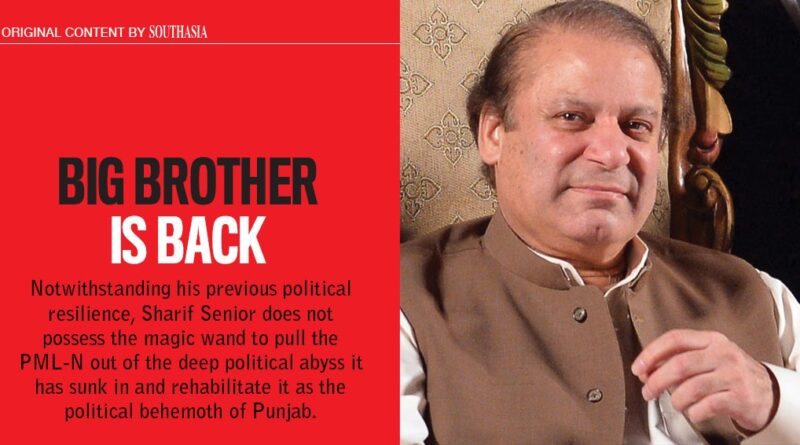
Notwithstanding his previous political resilience, Sharif Senior does not possess the magic wand to pull the PML-N out of the deep political abyss it has sunk in and rehabilitate it as the political behemoth of Punjab.
Read more
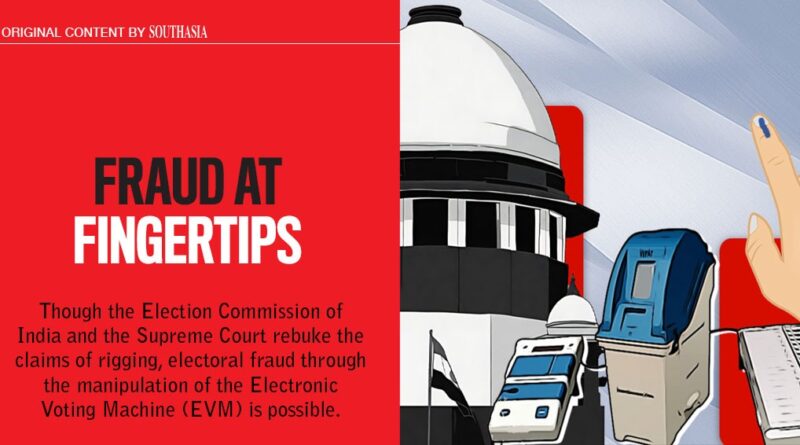
Though the Election Commission of India and the Supreme Court rebuke the claims of rigging, electoral fraud through the manipulation of the Electronic Voting Machine (EVM) is possible.
Read more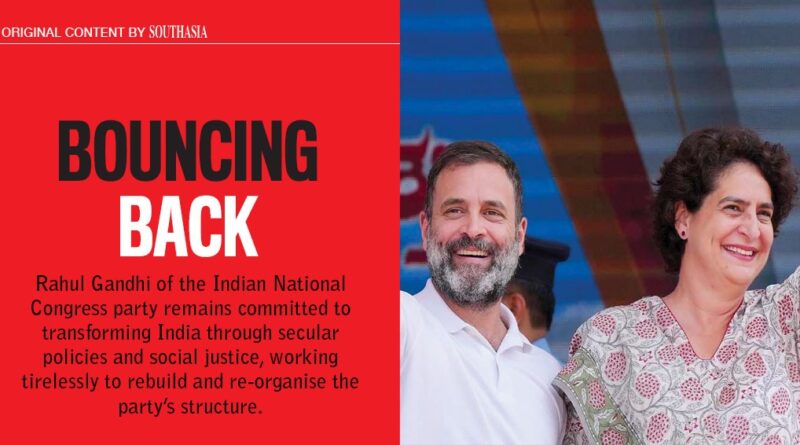
Rahul Gandhi of the Indian National Congress party remains committed to transforming India through secular policies and social justice, working tirelessly to rebuild and re-organise the party’s structure.
Read more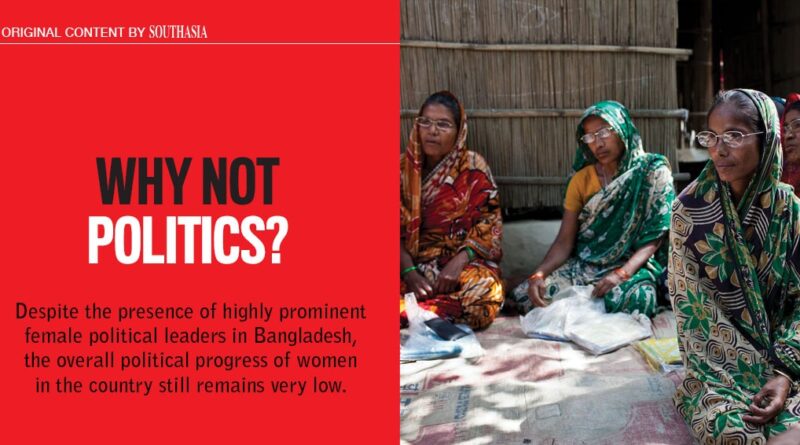
Despite the presence of highly prominent female political leaders in Bangladesh, the overall political progress of women in the country still remains very low.
Read more
Despite the presence of highly prominent female political leaders in Bangladesh, the overall political progress of women in the country still remains very low.
Read more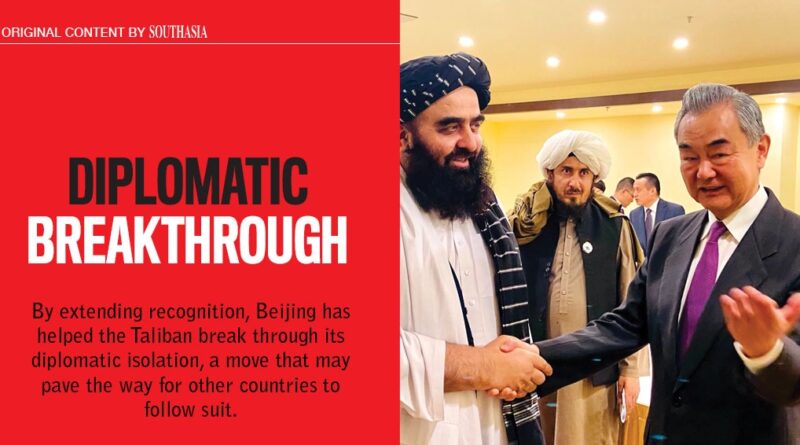
By extending recognition, Beijing has helped the Taliban break through its diplomatic isolation, a move that may pave the way for other countries to follow suit.
Read more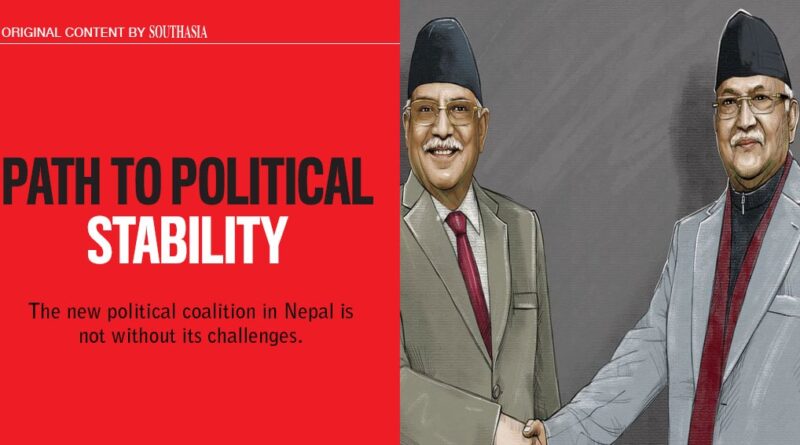
The new political coalition in Nepal is not without its challenges.
Read more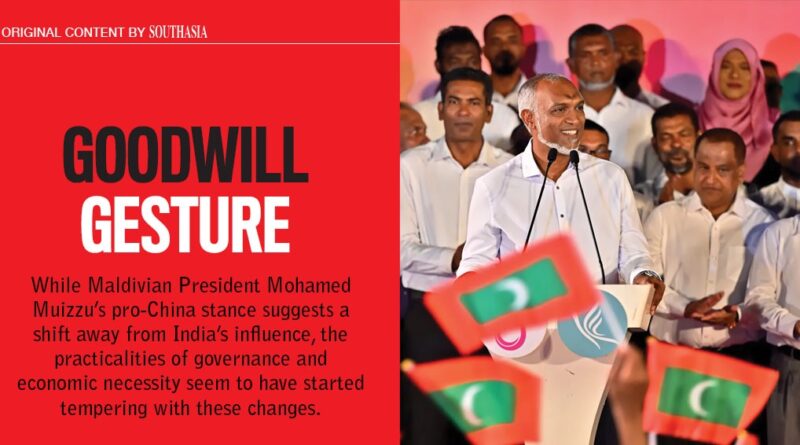
While Maldivian President Mohamed Muizzu’s pro-China stance suggests a shift away from India’s influence, the practicalities of governance and economic necessity seem to have started tempering with these changes.
Read more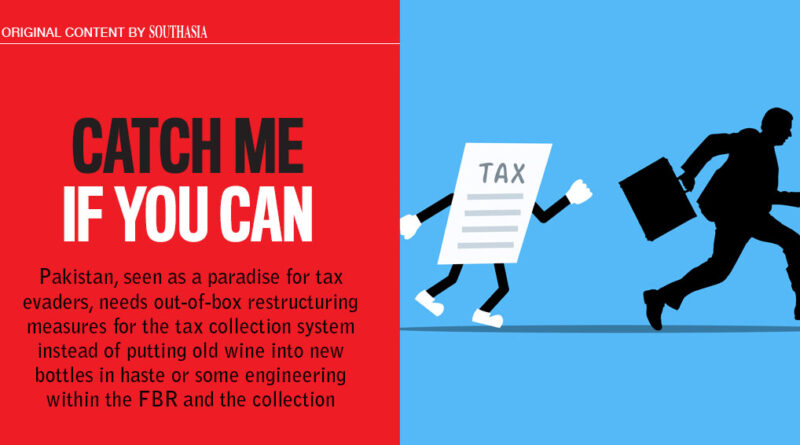
Pakistan, seen as a paradise for tax evaders, needs out-of-box restructuring measures for the tax collection system instead of putting old wine into new bottles in haste or some engineering within the FBR and the collection system.
Read more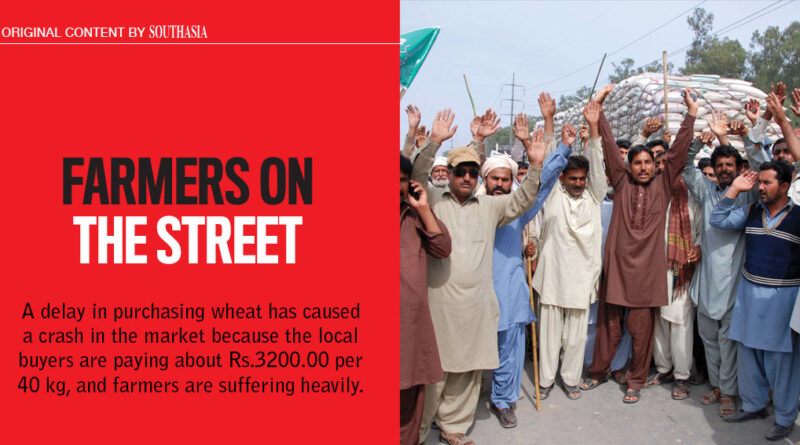
A delay in purchasing wheat has caused a crash in the market because the local buyers are paying about Rs.3200.00 per 40 kg, and farmers are suffering heavily.
Read more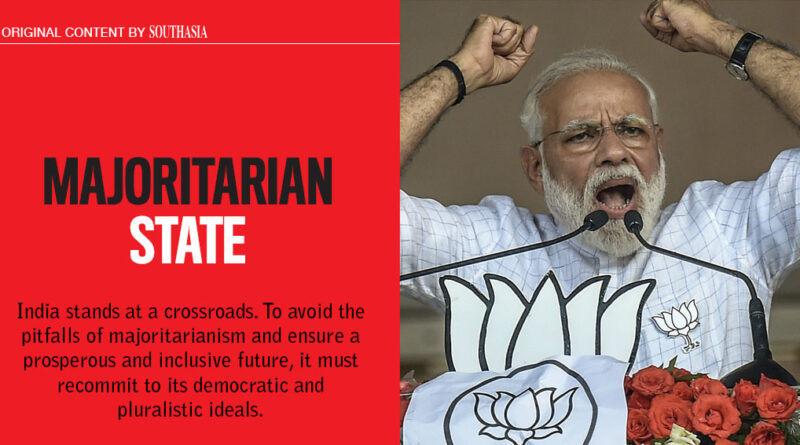
India stands at a crossroads. To avoid the pitfalls of majoritarianism and ensure a prosperous and inclusive future, it must recommit to its democratic and pluralistic ideals.
Read more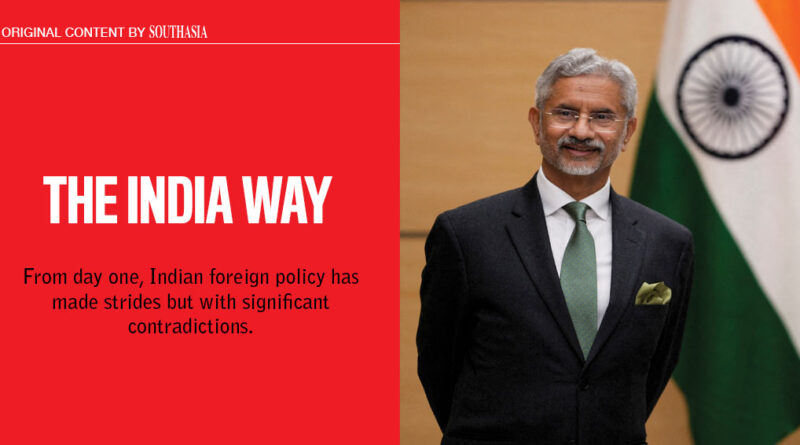
From day one, Indian foreign policy has made strides but with significant contradictions.
Read more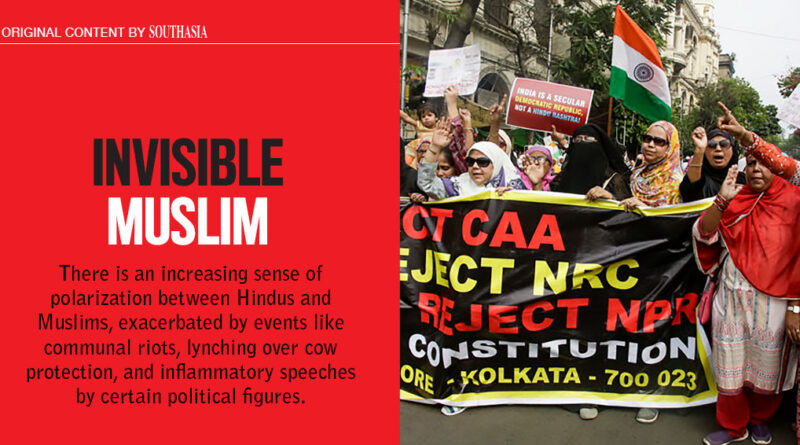
There is an increasing sense of polarization between Hindus and Muslims, exacerbated by events like communal riots, lynching over cow protection, and inflammatory speeches by certain political figures.
Read more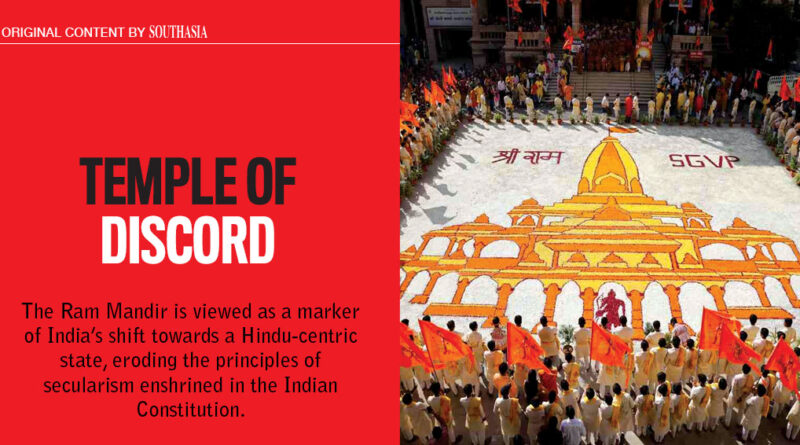
The Ram Mandir is viewed as a marker of India’s shift towards a Hindu-centric state, eroding the principles of secularism enshrined in the Indian Constitution.
Read more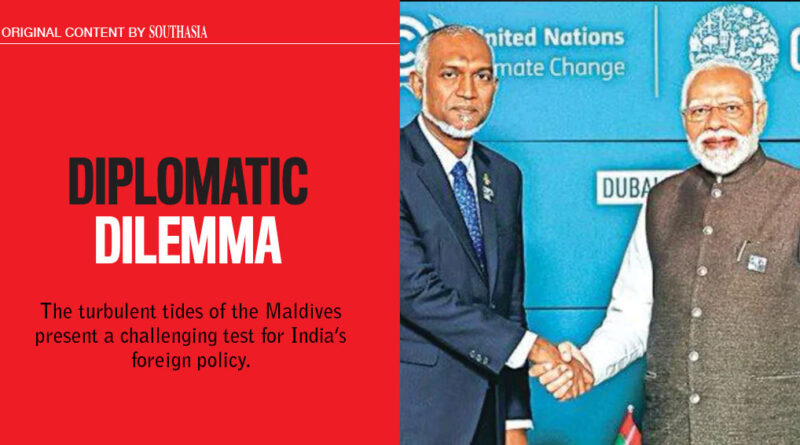
The turbulent tides of the Maldives present a challenging test for India’s foreign policy.
Read more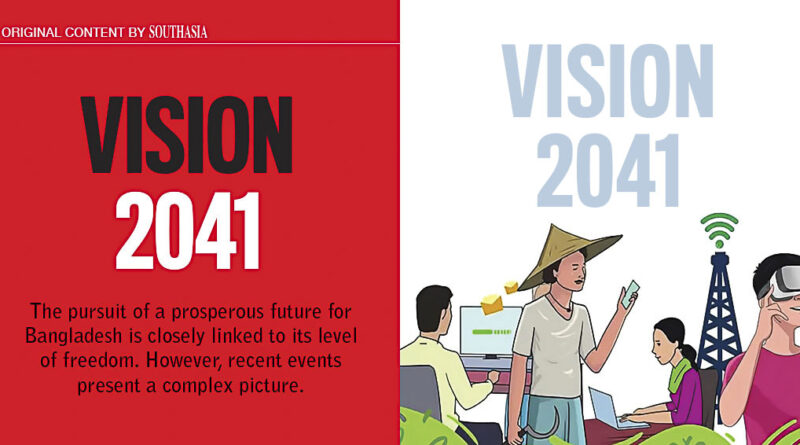
The pursuit of a prosperous future for Bangladesh is closely linked to its level of freedom. However, recent events present a complex picture.
Read more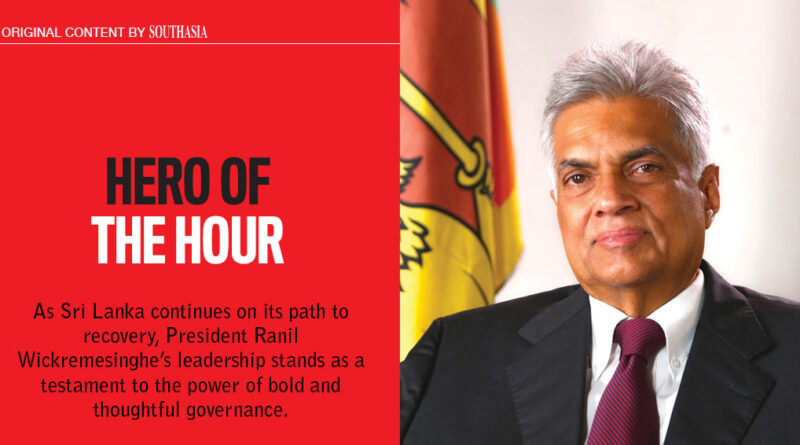
As Sri Lanka continues on its path to recovery, President Ranil Wickremesinghe’s leadership stands as a testament to the power of bold and thoughtful governance.
Read more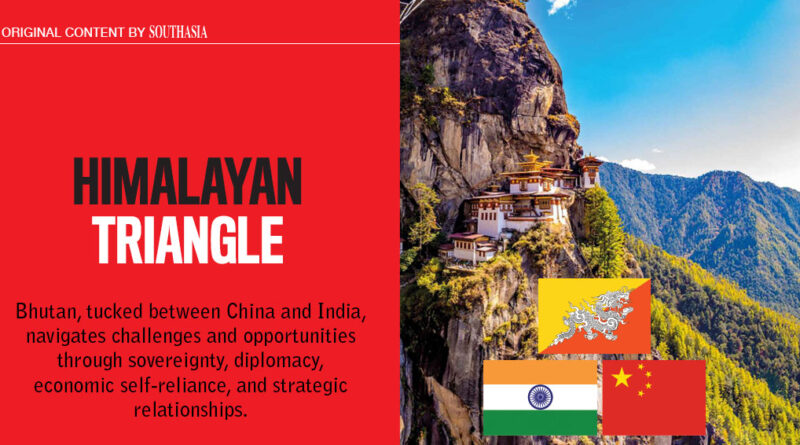
Bhutan, tucked between China and India, navigates challenges and opportunities through sovereignty, diplomacy, economic self-reliance, and strategic relationships.
Read more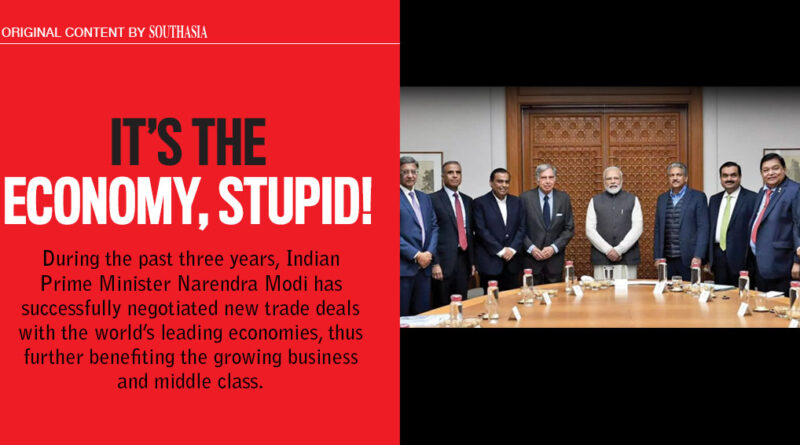
During the past three years, Indian Prime Minister Narendra Modi has successfully negotiated new trade deals with the world’s leading economies, thus further benefiting the growing business and middle class.
Read more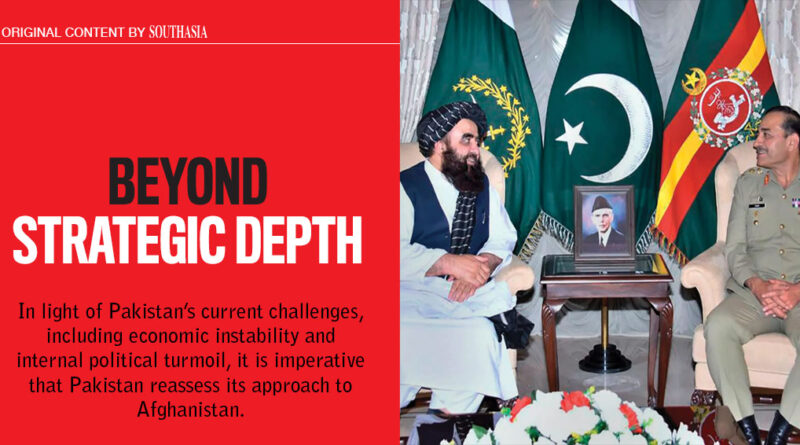
In light of Pakistan’s current challenges, including economic instability and internal political turmoil, it is imperative that Pakistan reassess its approach to Afghanistan.
Read more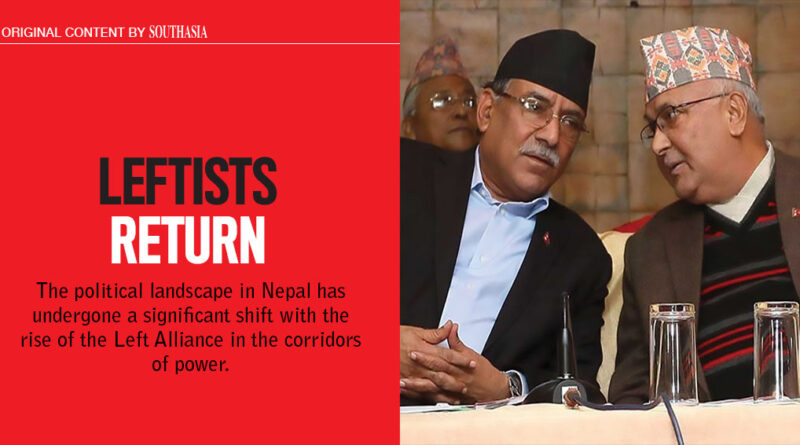
The political landscape in Nepal has undergone a significant shift with the rise of the Left Alliance in the corridors of power.
Read more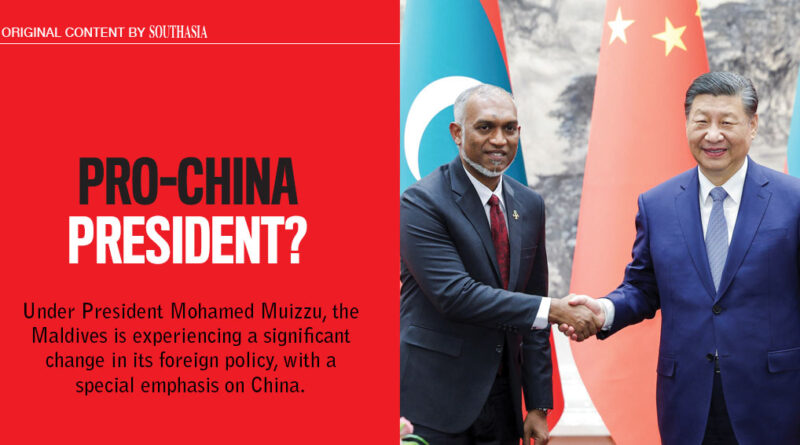
Under President Mohamed Muizzu, the Maldives is experiencing a significant change in its foreign policy, with a special emphasis on China.
Read more