




The trade relations between India and Pakistan were affected after 2019 when political tensions and conflicts grew among both countries. According to the State Bank of Pakistan, exports of Pakistan to India during 2023 were only $281 thousand as compared to $115,181 thousand in 2019. This demonstrates the steep decline in Pakistan’s exports after the trade process between the two countries was halted. Imports from India were $201,405 thousand in 2023, decreasing from $1,015,991 thousand in 2019.
The current trade structure between India and Pakistan operates on an ad-hoc basis. The restrictions are being maintained on both sides through various measures, severely affecting the trade process. Normalizing the trade process will ease the inflationary pressure in Pakistan as it will allow the imports of vegetables and other basic items, reducing domestic market prices.
Pakistan’s economy has been under internal and external pressure recently. The country needs sustainable and inclusive economic growth to improve its economic indicators and provide relief to the common people. Inclusive growth is also essential to tackle the growing debt level, affecting fiscal operations and putting pressure on an overall economic trajectory.
Trade with India will help Pakistan promote economic growth and tap the market with vibrant potential for domestic exporters. A study by the World Bank indicates that Pakistan’s total unrealized trade potential with India is around 85%. Hence, exports from Pakistan can be increased manifold by normalizing trade relations with India, which will help boost GDP and create employment opportunities.
Besides trade in goods, Pakistan can also import energy from India, which is already exporting power to Bangladesh and Nepal. Economic partnership in renewable energy is a viable option between India and Pakistan and will benefit both countries.
A research-based article titled ‘Health Services Trade between India and Pakistan (2018)’’ by the Sustainable Development Policy Institute (SDPI) covers the vast potential of health services between Pakistan and India, which is currently affected due to city-specific visa and domestic regulations in India. Allowing patients through land routes and air links can contribute to fostering health services trade between the two countries.
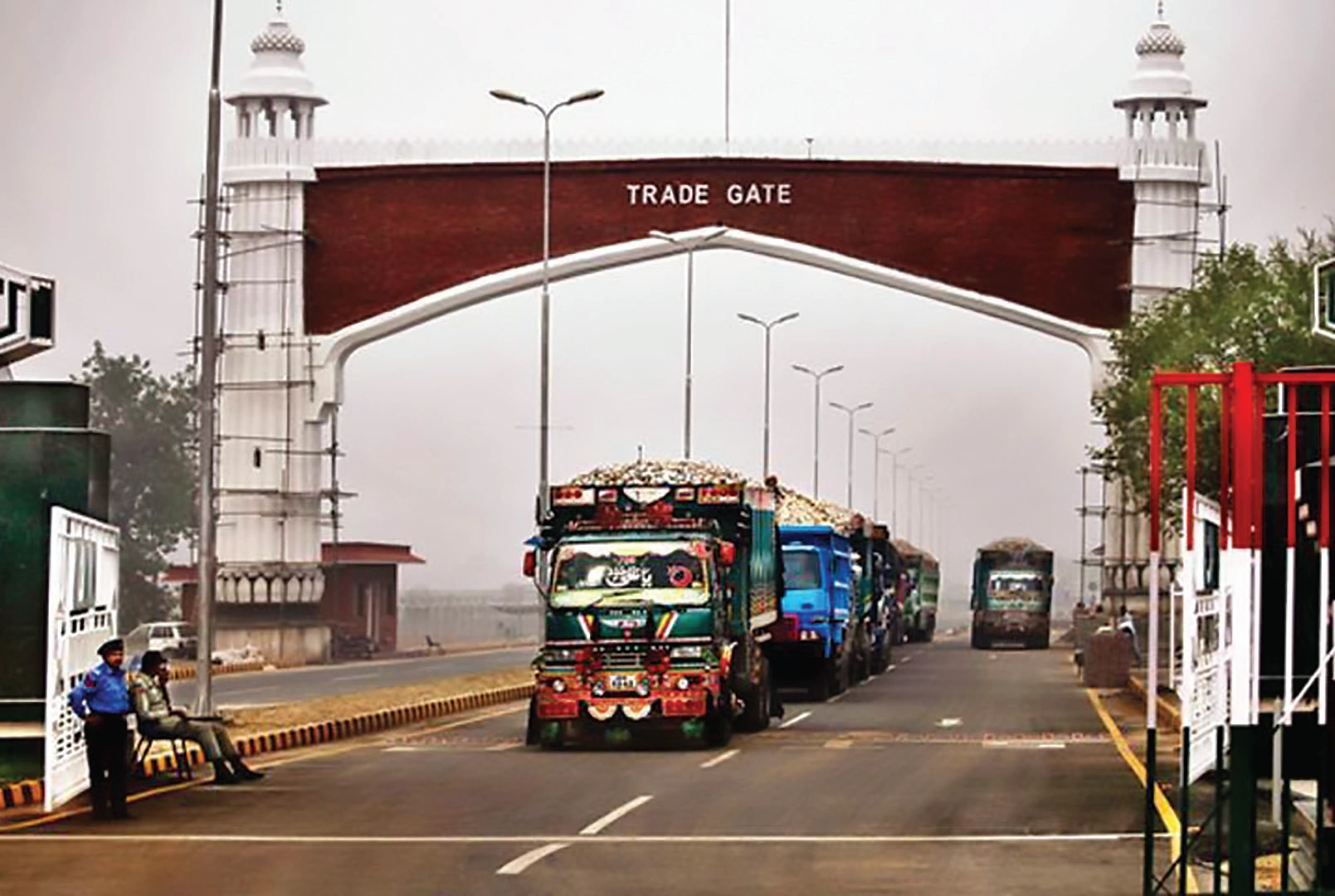
Trade bodies in India are urging their government to resume trade links between both countries, particularly reopening the Wagah-Attari trade route. The suspension of trade linkages has affected the local businesses on both sides, causing heavy economic losses for the traders.


The writer is Senior Research Associate at the Sustainable Development Policy Institute (SDPI). He can be reached at asifjaved@sdpi.org
Leave a Reply