



Rhetoric, Realignment, Regret
For all the ceremonial warmth and promises inked, the India-Maldives reset remains a fragile arrangement.
Read more
For all the ceremonial warmth and promises inked, the India-Maldives reset remains a fragile arrangement.
Read more
Justice and governance are provincial domains, and any federal move to revive Jirgas violates constitutional boundaries and undermines provincial authority.
Read more
The uncalled-for hostility against Pakistan and Iran is not about supporting Kashmir or Palestine, but about the nuclear potential of both Muslim countries.
Read more
It is increasingly more critical to ensure that monetary and exchange rate policies are effectively used to secure a better buildup of the reserves and stabilize the economy.
Read more

Conceding to U.S. President Donald Trump’s tariff demands will seriously damage Indian Prime Minister Narendra Modi’s domestic image as a strong nationalist leader.
Read more
Indian Prime Minister Narendra Modi’s sudden push for a caste census appears to be primarily a political calculation for survival rather than a genuine effort to address India’s persistent social inequalities.
Read more
The coming months will test whether Bangladesh can break free from its authoritarian past or succumb to another cycle of elite-driven politics.
Read more
For minorities in Sri Lanka, the erosion of their political representation and the dominance of a powerful majority party pose both risks and opportunities.
Read more
Under the Taliban rule, the fate of millions of Afghan women and girls now rests not only in the hands of the Taliban but in the conscience and courage of the global community.
Read more
The people of Nepal, amid frustration with the political status quo and a lackluster economic situation, are calling for the king to return because democracy has failed to deliver.
Read more
The military has often acted as a policymaker. The civilian side, in contrast, has failed to institutionalize democratic norms or offer consistent governance.
Read more
The Pakistan Tehreek-e-Insaf (PTI) remains a political force that neither the PPP nor the PML-N can wish away.
Read more
A persistent political and institutional leadership failure in Pakistan lies at the heart of the never-ending crisis.
Read more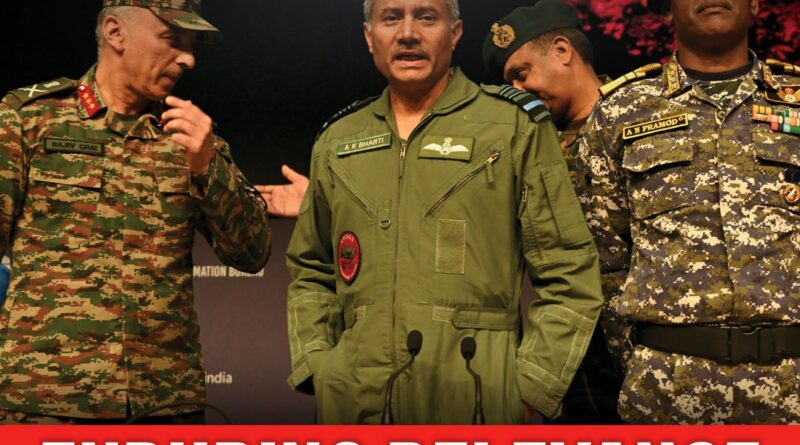
The recent 4-day war between Pakistan and India should not be misread as a passing event but a firm reminder that Pakistan’s defense is uncompromising. Here’s my article in the July issue of SouthAsia magazine which highlights that Pakistan’s relevance in South Asia is not contingent upon India’s acknowledgment.
Read more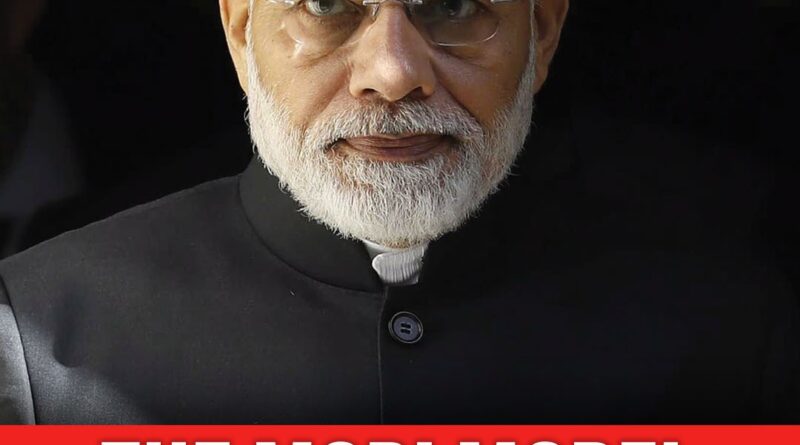
Indian Prime Minister Narendra Modi governs India the same way he governed the state of Gujarat.
Read more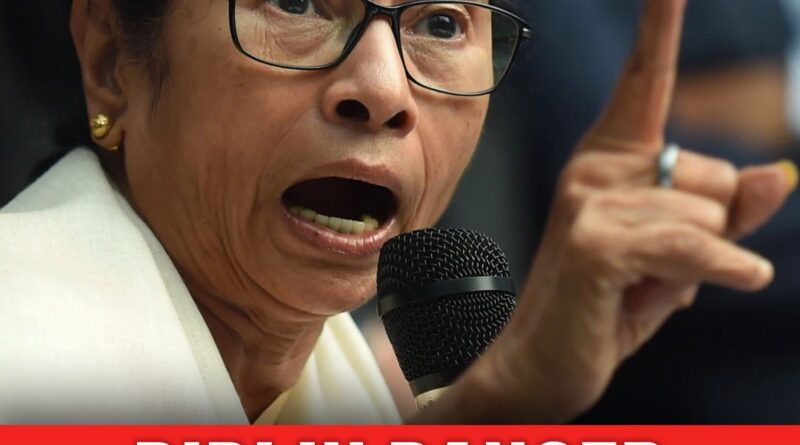
Despite her early successes, Mamata Banerjee’s third term as West Bengal’s Chief Minister has been marred by significant governance and administrative challenges.
Read more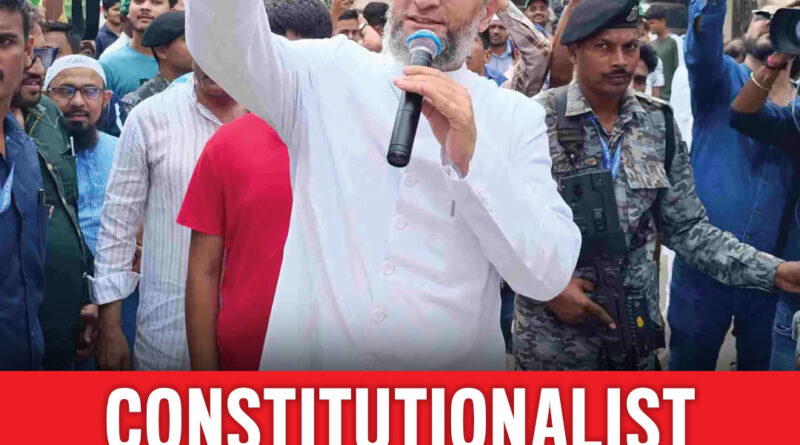
Asaduddin Owaisi, the leader of the All India Majlis-e-Ittehadul Muslimeen, is increasingly aligning with themes that resonate with nationalist discourse.
Read more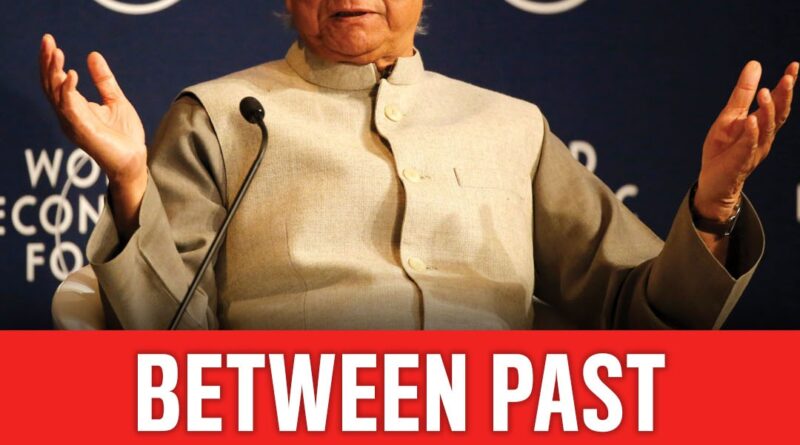
Bangladesh’s interim government, led by Nobel laureate Muhammad Yunus, is struggling with the fragile hope of a new order.
Read more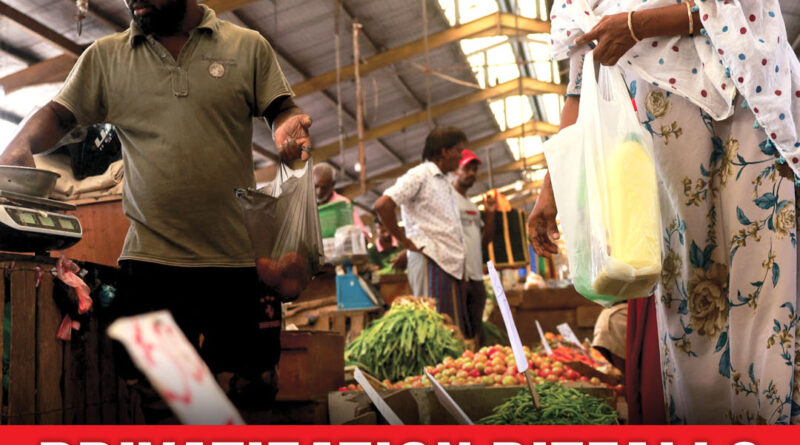
Transforming loss-making state-owned enterprises into efficient ones will be a significant challenge for the Sri Lankan government.
Read more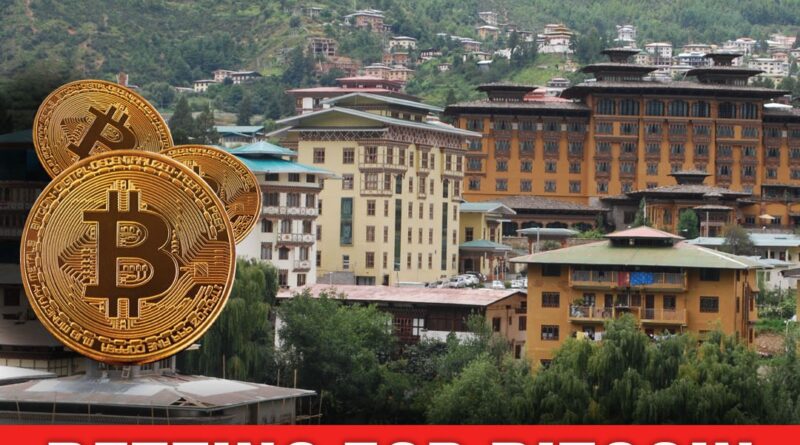
By converting hydropower into digital gold, Bhutan is creating a future-focused economy rooted in its natural strengths and ethical commitments.
Read more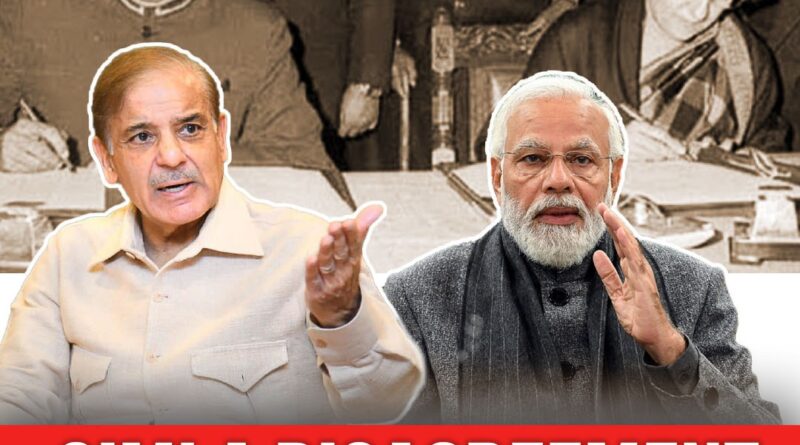
Pakistan’s willingness to review the Simla Agreement, call for international investigations, and stand firm against Indian aggression is not a threat, but a responsible response.
Read more
Considering India’s aggressive post-Pahalgam posturing and Pakistan’s decisive response, much will depend on whether the Indian National Congress party can mount a serious challenge to Narendra Modi.
Read more