



Blocking the Blockade
Nepali Prime Minister Pushpa Kamal Dahal Sharma’s forthcoming visit to China has ignited speculations regarding Nepal’s foreign policy trajectory and its implications for regional dynamics in South Asia.
Read more
Nepali Prime Minister Pushpa Kamal Dahal Sharma’s forthcoming visit to China has ignited speculations regarding Nepal’s foreign policy trajectory and its implications for regional dynamics in South Asia.
Read more
In a society increasingly influenced by mob mentality, state representatives are more interested in appeasing public sentiment than upholding the rule of law.
Read more

Once hailed as a game-changer in Indian politics for its inclusive and secularist agenda, the Aam Aadmi Party (AAP) has seen a significant shift in its relationship with the Muslim community.
Read more
Other than Dr. Muhammad Yunus, there is no other Bangladeshi to carry the country forward in a 21st-century democratic space after the trauma it has faced for nearly two decades.
Read more
After the resignation and exile of former Bangladesh Prime Minister Sheikh Hasina, St Martin’s Island of Bangladesh has been in the spotlight.
Read more
While global oil refining technology has improved, several challenges threaten the closure of local refineries in Pakistan.
Read more
The induction of advanced Type 054 A/P frigates from China, MILGEM class corvettes from Türkiye, and state-of-the-art OPVs, along with a variety of manned and unmanned aerial platforms, has significantly enhanced Pakistan Navy’s capabilities to confront threats across the entire conflict spectrum.
Read more
Punjab’s dominant position in the state institutions proportionate to its population seems intractable because of a chronic lack of political will.
Read more
The China-Pakistan bonhomie is undeniably under strain due to internal and external pressures.
Read more
The idea that the Punjab monopolizes resources and political power is misguided.
Read more
It is high time to question why India is so persistent in rejecting resuming dialogue with Pakistan.
Read more
While technical infrastructure issues and government regulation may explain the recent platform slowdowns, Pakistan’s growing influence over the digital space reflects broader concerns worldwide.
Read more
Relying on the IMF package to address the economic crisis is not a long-term solution.
Read more
This article examines the current state of meteorological infrastructure in Pakistan, highlighting key technological gaps and exploring the steps needed to improve forecasting and climate resilience.
Read more
Given the history of the rebellious uprisings in Balochistan, the Pakistan government must talk with the estranged Baloch leaders without further delay.
Read more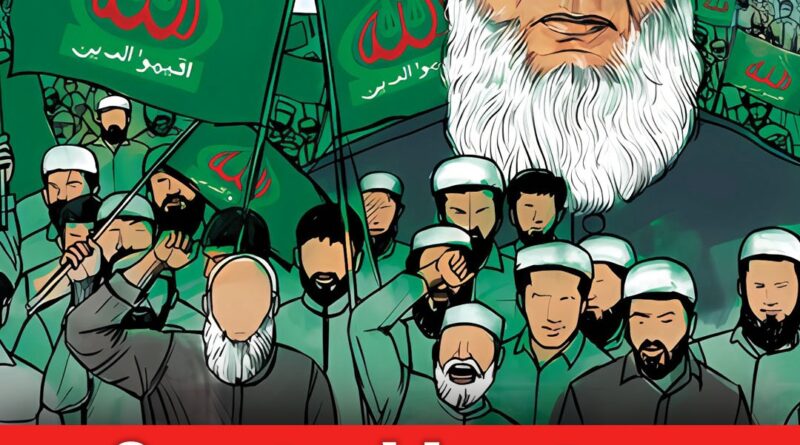
With the revocation of the ban on its political activities, Jamaat-e-Islami Bangladesh has once again witnessed a political revival and is likely to thrive in these changing times.
Read more
Doctors in India have been demanding central laws for their safety due to various concerns related to the inadequacies and inconsistencies in the existing legal framework.
Read more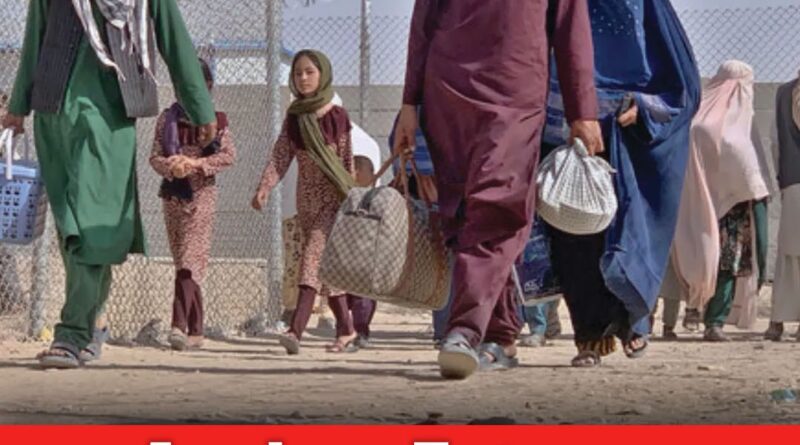
Advocates are calling to create legal pathways for Afghan refugees by providing them with a safer and more secure route to resettlement.
Read more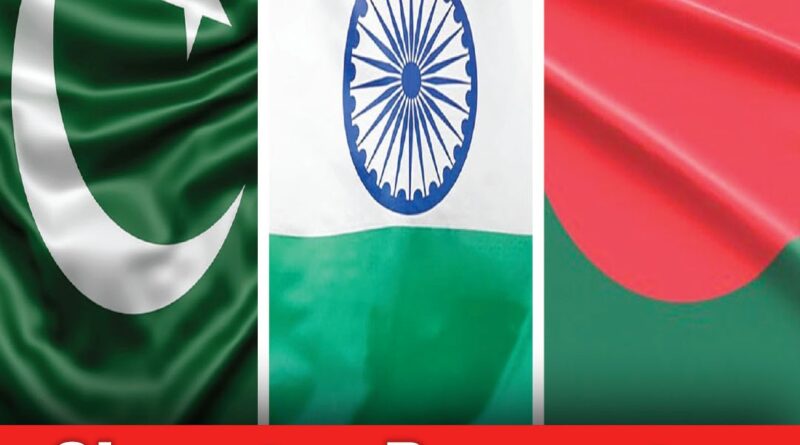
Bangladesh finds itself at a crossroads. There is a growing realization that external forces, particularly India, fueled the animosity between East and West Pakistan, and the shared history of the two nations cannot be erased.
Read more
Cultural resistance, financial constraints, and limited access to resources continue to hinder women’s political participation in Bhutan.
Read more
The incumbent government would be better advised to address the concerns of smaller provinces over a range of burning issues.
Read more
A meaningful shift in the Pakistani security landscape is unlikely to happen permanently with the new counterterrorism operation.
Read more