

Region
Death Warrants
Three contentious bills passed by the Indian Rajya Sabha will change
the way Indian farmers do business. The bills have roiled the country’s
parliament and sparked protests that have spilled onto the streets.

The Indian Rajya Sabha (upper house) passed three agricultural reform bills in September 2020 despite objections from the opposition. The bills received the President’s approval and became law on September 27, 2020.
Opposition parties were demanding that the bills be sent to a parliamentary committee but the government set aside their protests and passed the bills in a hurry.
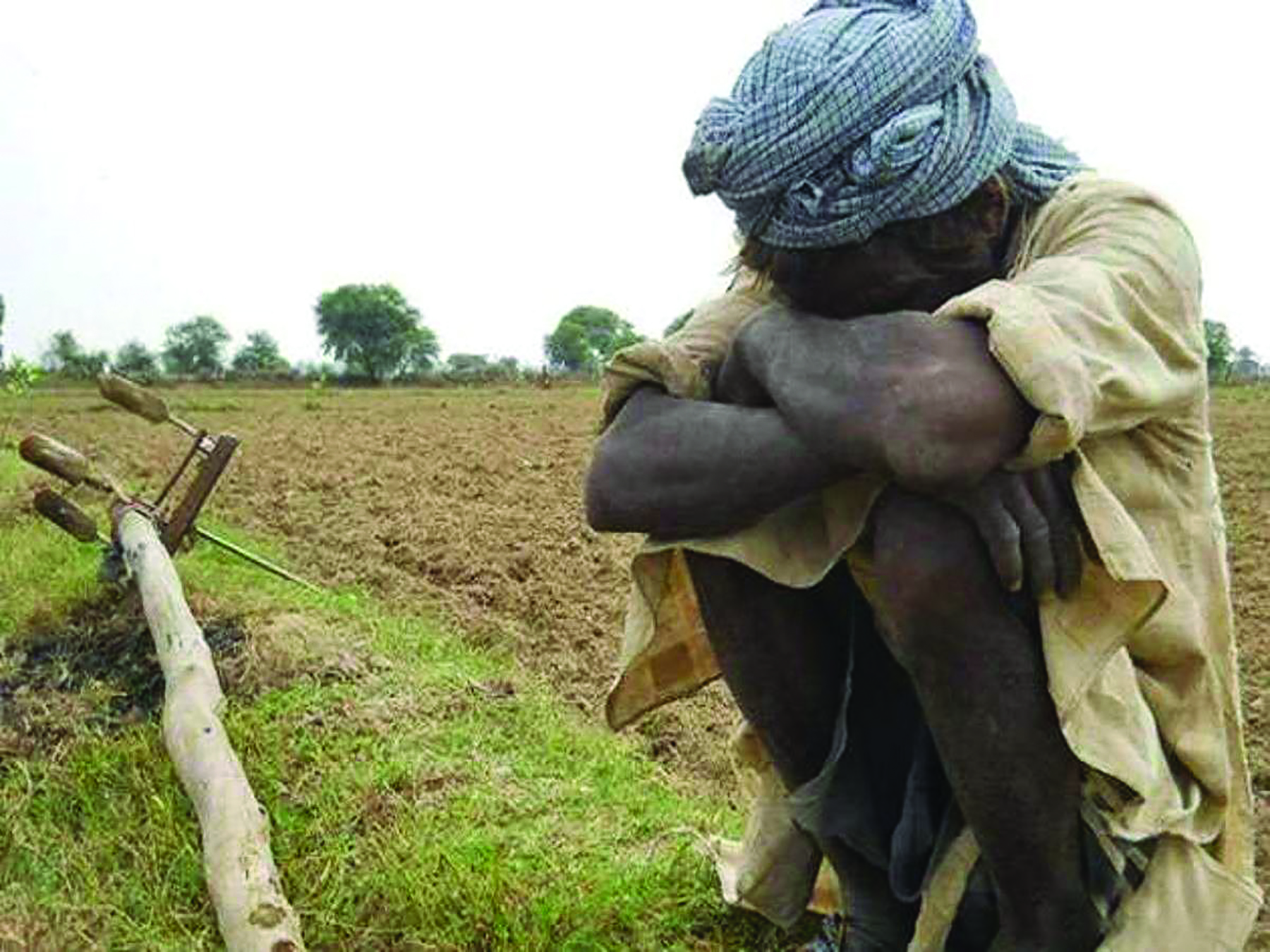
The reforms, termed as a ‘watershed moment’ by Narendra Modi – are deemed to be exploitative and anti-farmer by the opposition. Experts say that the bills are only cosmetic and will have very little impact on the ground. Farmers are protesting against the reforms with the view that they do not benefit small land-owners. So what are the bills about and how will they affect Indian agriculture in the long run?
In India, farmers constitute the bulk of the country’s workforce but their contribution in the GDP is only one-sixth. This great shortfall is attributed to the laws that were originally implemented in order to protect underprivileged farmers from exploitation by middlemen, landowners and hoarders.
Right after independence, and throughout the subsequent decade, the government implemented ‘farmer friendly’ policies that allowed them to sell produce at wholesale markets or mandis at minimum set prices. However, over time, these wholesale markets that number in the thousands, became the very means of exploitation of farmers.
A class of middlemen emerged that controlled these markets through supply manipulation, cash lending and bullying. The farmer became the loser and received only a fraction of the retail price of his produce.
The three reforms bills seek to relax the rules governing sale, price and storage of agricultural products. Rather than going to the wholesale market, farmers will now be able to deal directly with buyers. They will also be able to carry out contract farming for clients interested in a particular crop.
The concept is tempting in theory but it has a flip side. The Indian farmer has remained protected from the excesses of the free market for decades. There are drawbacks of the wholesale market but at least it offers a Minimum Support Price (MSP) for produce. Moreover, it is run by committees of farmers and middlemen. Their personal and business relationships also play out in the final transactions.
The free market is ruthless. Framers will have to deal with shrewd corporations without the protection of Minimum Support Price offered by wholesale markets. BJP’s reform bills are also seen as a precursor to complete dismantling of the mandi system, and the abolition of agricultural subsidies to farmers.
Once the mandi system is abolished, the farmer will lose the Minimum Support Price (MSP) protection offered by the government. If a private buyer does not pay a satisfactory price, the farmer will not be able to go back to the mandi to sell his produce.
The BJP has assured that the mandi system and the MSP mechanism will not be abolished but farmers doubt whether the government will stick to its words. They suspect that eventually the mandis will disappear and farmers will be at the mercy of private players.
Experts say that freeing the farmer to sell his produce to private buyers is a positive step but the mandis must remain in place along with the MSP. Moreover, India still has in place strict laws that govern sale, purchase and use of agricultural land. Until those laws are dismantled, the private player will not be able to gain any real advantage over the farmer.
Political commentators see the agricultural reforms as Modi’s shrewd tactic of cutting right into the heart of established voting constituencies within the farming heartlands. The reforms are rewarding supportive private corporations at the expense of erstwhile rural power structures. Once the old system is gone, the farmer will eventually come back into the BJP fold.
For the opposition, the main issue is the manner in which the BJP government passed these bills. There was no extended debate over the bills despite several requests. In the upper house of the parliament, the opposition’s calls for more debate were dismissed. The laws were passed on a voice vote rather than a physical ballot.
Modi had stated that the agricultural reforms would unshackle the farmer from the clutches of jaded legislation. The practical implications of these reforms will be visible in the coming years. However, the haste with which the BJP government has passed these bills has created a lot of ill will in the legislature.![]()
The writer is a freelancer and an investment banker based in Karachi. He can be reached at syedatifshamim@hotmail.com |
|
Cover Story
|
|
News Buzz
|
Update |


Leave a Reply