



The Indian Rajya Sabha (upper house) passed three agricultural reform bills in September 2020 despite objections from the opposition. The bills received the President’s approval and became law on September 27, 2020.
Opposition parties were demanding that the bills be sent to a parliamentary committee but the government set aside their protests and passed the bills in a hurry.
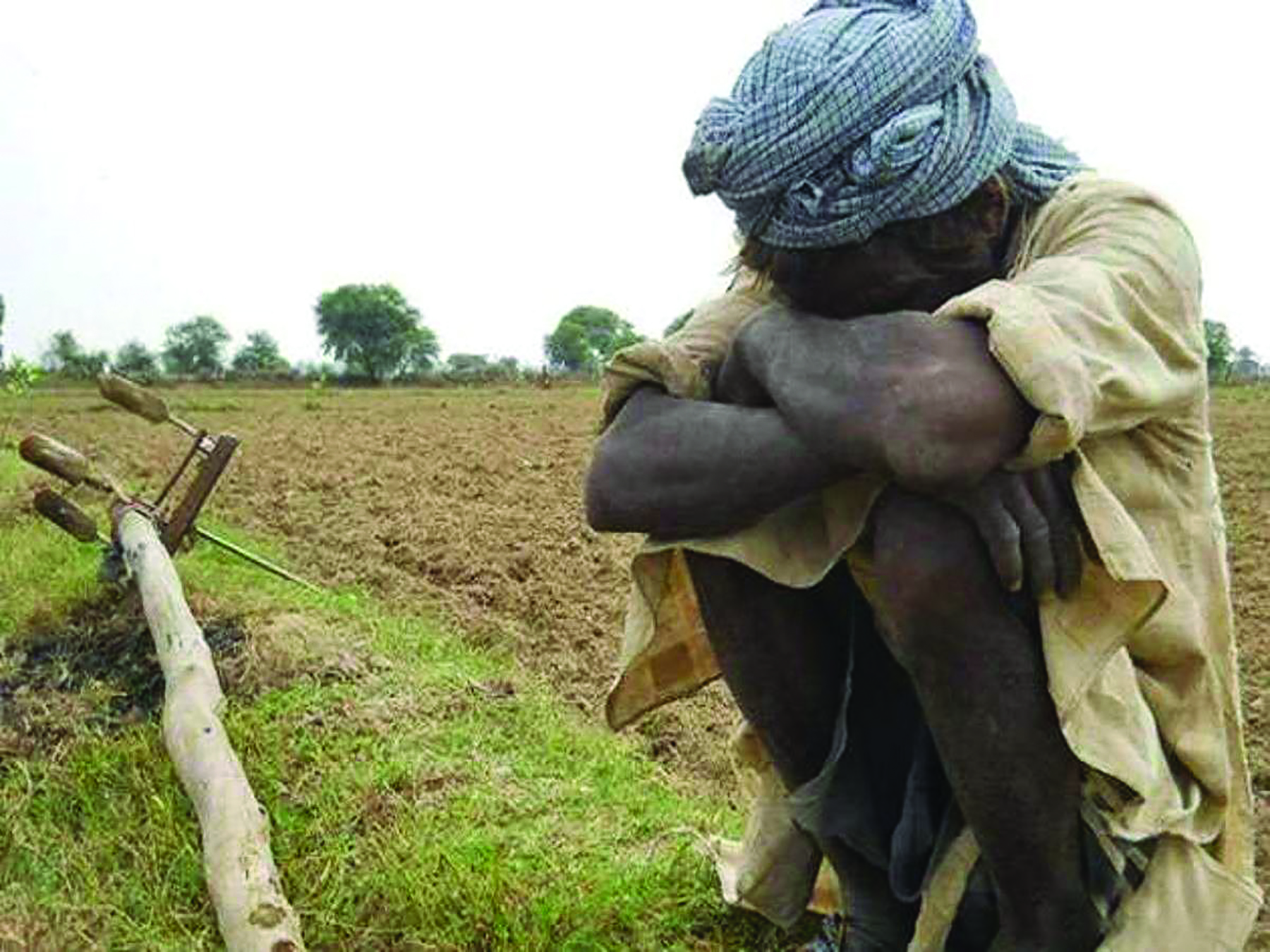
The reforms, termed as a ‘watershed moment’ by Narendra Modi – are deemed to be exploitative and anti-farmer by the opposition. Experts say that the bills are only cosmetic and will have very little impact on the ground. Farmers are protesting against the reforms with the view that they do not benefit small land-owners. So what are the bills about and how will they affect Indian agriculture in the long run?
In India, farmers constitute the bulk of the country’s workforce but their contribution in the GDP is only one-sixth. This great shortfall is attributed to the laws that were originally implemented in order to protect underprivileged farmers from exploitation by middlemen, landowners and hoarders.
Right after independence, and throughout the subsequent decade, the government implemented ‘farmer friendly’ policies that allowed them to sell produce at wholesale markets or mandis at minimum set prices. However, over time, these wholesale markets that number in the thousands, became the very means of exploitation of farmers.
A class of middlemen emerged that controlled these markets through supply manipulation, cash lending and bullying. The farmer became the loser and received only a fraction of the retail price of his produce.
The three reforms bills seek to relax the rules governing sale, price and storage of agricultural products. Rather than going to the wholesale market, farmers will now be able to deal directly with buyers. They will also be able to carry out contract farming for clients interested in a particular crop.


The writer is a freelancer and an investment banker based in Karachi. He can be reached at syedatifshamim@hotmail.com |
|
Cover Story
|
|
News Buzz
|
Update |
Leave a Reply