



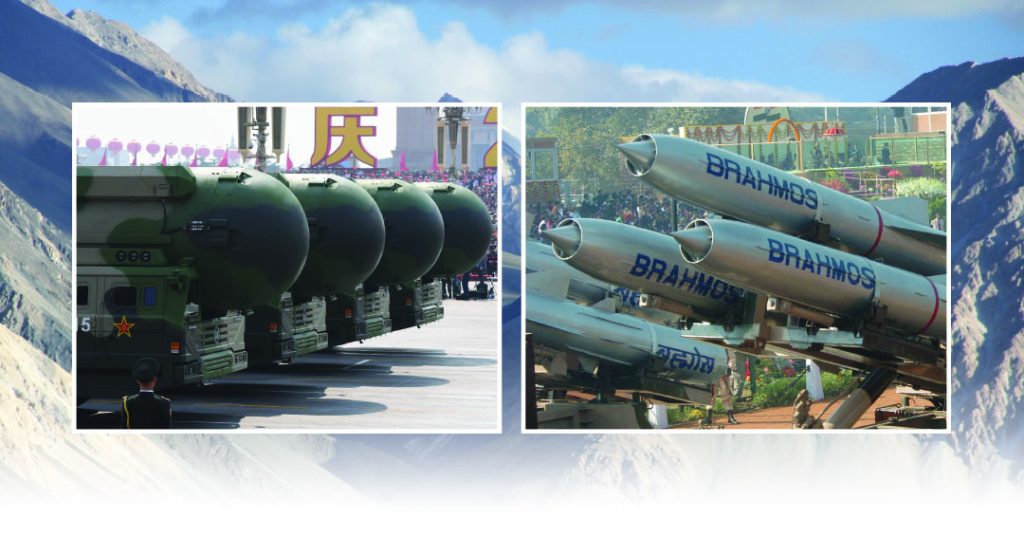
The violent border conflict on June 15, 2020 brought serious casualties to both China and India, which is rare in the history of China-India relations in recent decades. Many people may have thought that why didn’t nuclear weapons have enough deterrent functions for such conflicts? Is this a failure of nuclear deterrence, or the transformation of China-India relations?
The Sino-Indian border disputes and conflicts are fundamentally different from the traditional mode of war. This is a state of sub-warfare or cold peace between war and peace. Both China and India are very careful in restricting any possible conflicts outside the traditional scope of war, including the Galwan Valley conflict that caused heavy casualties. Neither side fired a single shot, nor did it use any modern weapon. The main offensive weapons from both sides were stones and sticks. This was basically a Neolithic war. This kind of sub-war conflict is outside the scope of nuclear deterrence. Moreover, Sino-Indian border conflicts have always had little to do with nuclear deterrence. In the 1962 conflict, neither side had nuclear weapons. China took the initiative to withdraw its troops not because of any form of nuclear deterrence, but because of the geographical features of the Himalayas, which are not suitable for a large-scale war.
The same is true for India. It is also the geographical features that restrict India’s activities in the border area, not China’s nuclear weapons. In recent years, especially in 2020, India has significantly increased the intensity and frequency of activities in the Sino-Indian border area. This is mainly due to India’s improvement in infrastructure areas, especially from the highway link of Leh to the Depsant Plateau. With the completion of the road, India’s ability to transport troops and supplies to the border area has been greatly improved. Under these circumstances, India believes that its “disadvantage” at the border has been greatly improved, and it can launch an “offensive” operation towards the Chinese side.
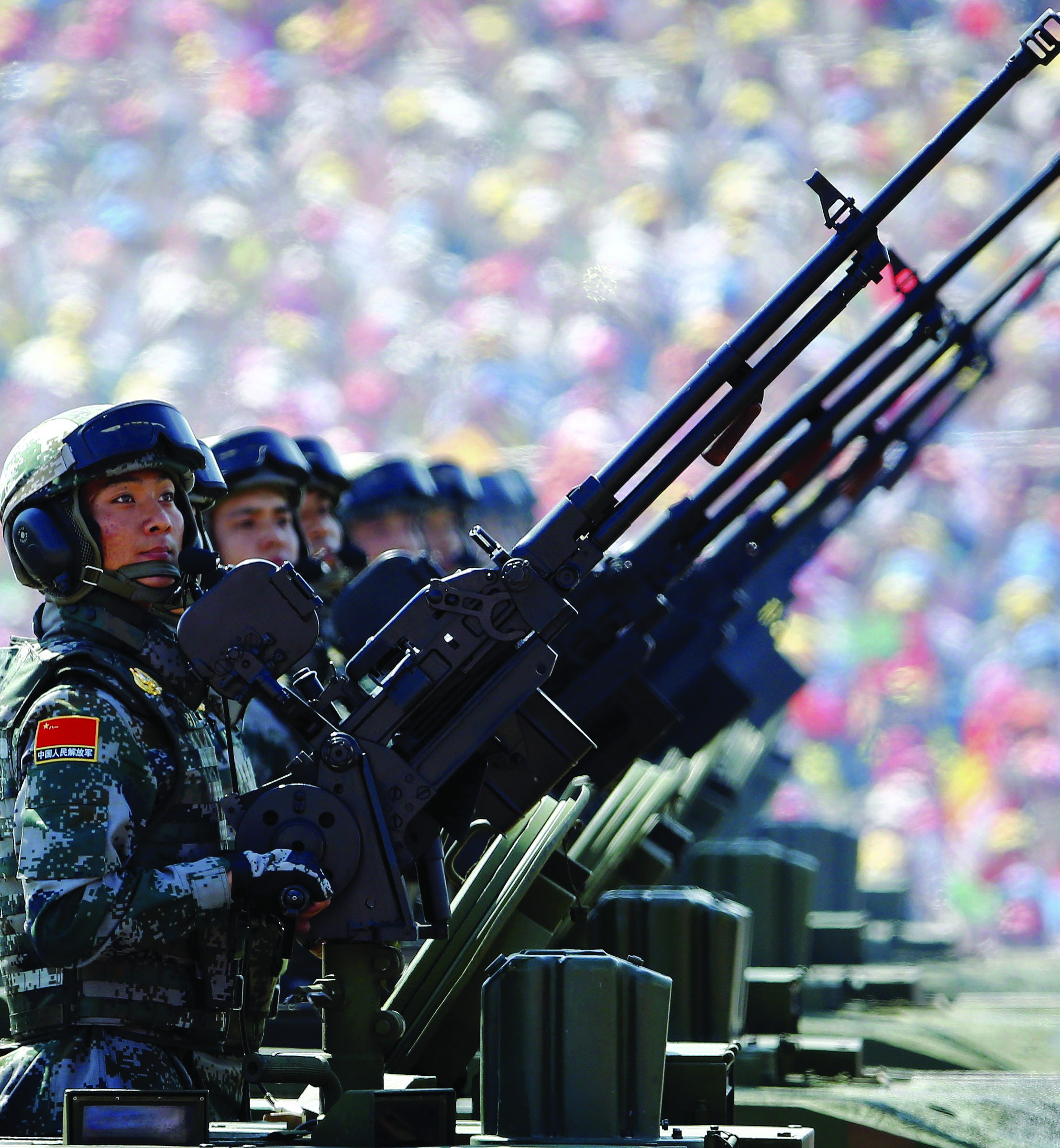 For most nuclear-weapon states, nuclear weapons are a deterrent and defensive weapon. Unless a country has achieved a nuclear monopoly or an absolute nuclear dominance, it will not actively use nuclear weapons first. The only nuclear weapon attack in the world occurred when the United States monopolized nuclear weapons. After the Soviet Union and more countries came to possess nuclear weapons, although the United States and the Soviet Union had successively deterred the use of nuclear weapons, they were ultimately deterred by other countries’ nuclear weapons.

The writer is Director and Professor at the Center for South Asian Studies at Fudan University in Shanghai, China. He can be reached at jiadongzhang@fudan.edu.cn |
|
Cover Story
|
|
News Buzz
|
Update |
Leave a Reply