



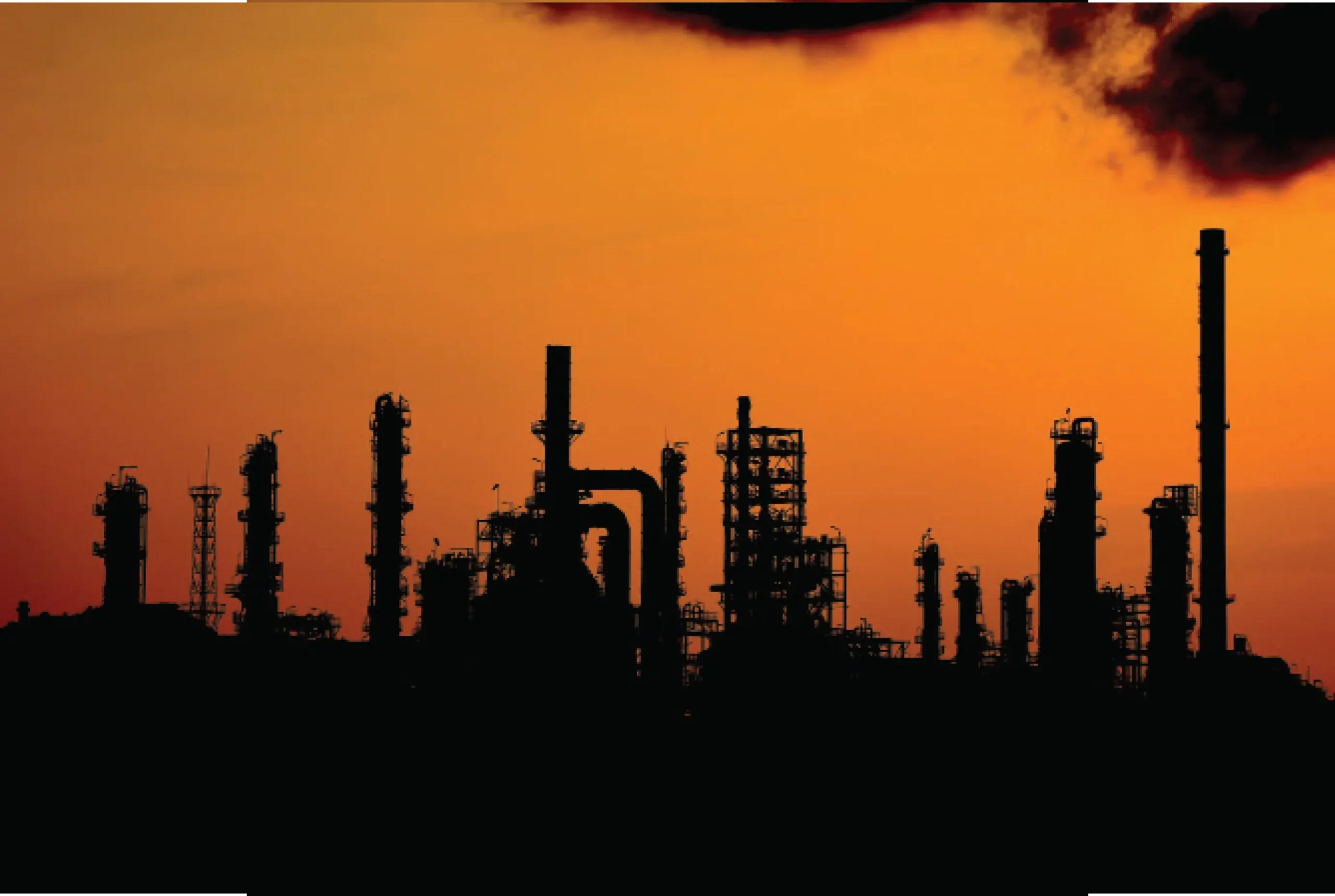
In 2023, the Pakistan government initiated a refinery upgradation policy, which was amended further for brownfield refineries in February 2024. The policy revolves around upgrading refineries to comply with Euro V specifications, enhancing the production of MS and diesel, and reducing the production of furnace oil.
Five refineries are currently operating in Pakistan. However, no new refinery project has materialized in Pakistan during the last decade, and only two refineries have been established in the previous four years. Without investment in the refinery industry, Pakistan has to depend on imports to meet its growing demand in the sector, which puts an additional burden on foreign exchange reserves.
On the other hand, countries worldwide are investing extensively to increase their supply. For instance, Russia plans to invest around $1 trillion to upgrade oil refining units by 2028, under which 50 refinery processing units for fuel production will be reconstructed. In 2021, Australia agreed to pay its two oil refineries around $1.8 billion to keep the struggling plans operational and protect the country’s fuel security.
Local refineries in Pakistan fulfill around 45% of the demand for high-speed diesel and 30% of motor gasoline, with other supplies arranged through imported refinery products. Pakistan’s demand for motor gasoline is projected to increase to 33 million tonnes per annum. This means that there is a deficit in demand and supply, which will increase from 11 million tonnes per annum to around 22 million tonnes per annum by 2035.
While global oil refining technology has improved, local refineries in Pakistan are at risk of closure due to challenges, including low return on equity, consistent need for upgradation, limited availability of domestic crude, and volatile crude and product prices. Besides, a policy gap in Pakistan has long existed, which requires addressing the latest developments in the refining industry.
The government initiated the Refining Policy for Upgradation of Existing/Brownfield Refineries 2023 to attract more than $5 billion in investment in the refinery business. The policy also focuses on providing an enabling environment for the long-term sustainability of existing refineries.
Pakistan Refinery Limited is seeking investment for its Refinery Expansion and Upgrade Project, which will double its crude processing capacity. The expansion will involve adopting a state-of-the-art deep conversion refinery configuration, and the estimated project cost is $1.7 billion.
Saudi Arabia is considering investment opportunities in India’s government-backed Bharat Petroleum Corporation Limited (BPCL) new refinery project. The Indian government intends to improve the country’s refining capacity and focuses on new refineries to meet growing domestic demand. The Pakistani government is also pursuing two major projects with Saudi Arabia to engage investors in the greenfield and brownfield refinery projects.


The writer is Senior Research Associate at the Sustainable Development Policy Institute (SDPI). He can be reached at asifjaved@sdpi.org
Leave a Reply