



The world is facing many conflicts today amidst the array of disputes between countries. One such conflict is well-nurtured and has matured in Myanmar, bordering India and China in South Asia.
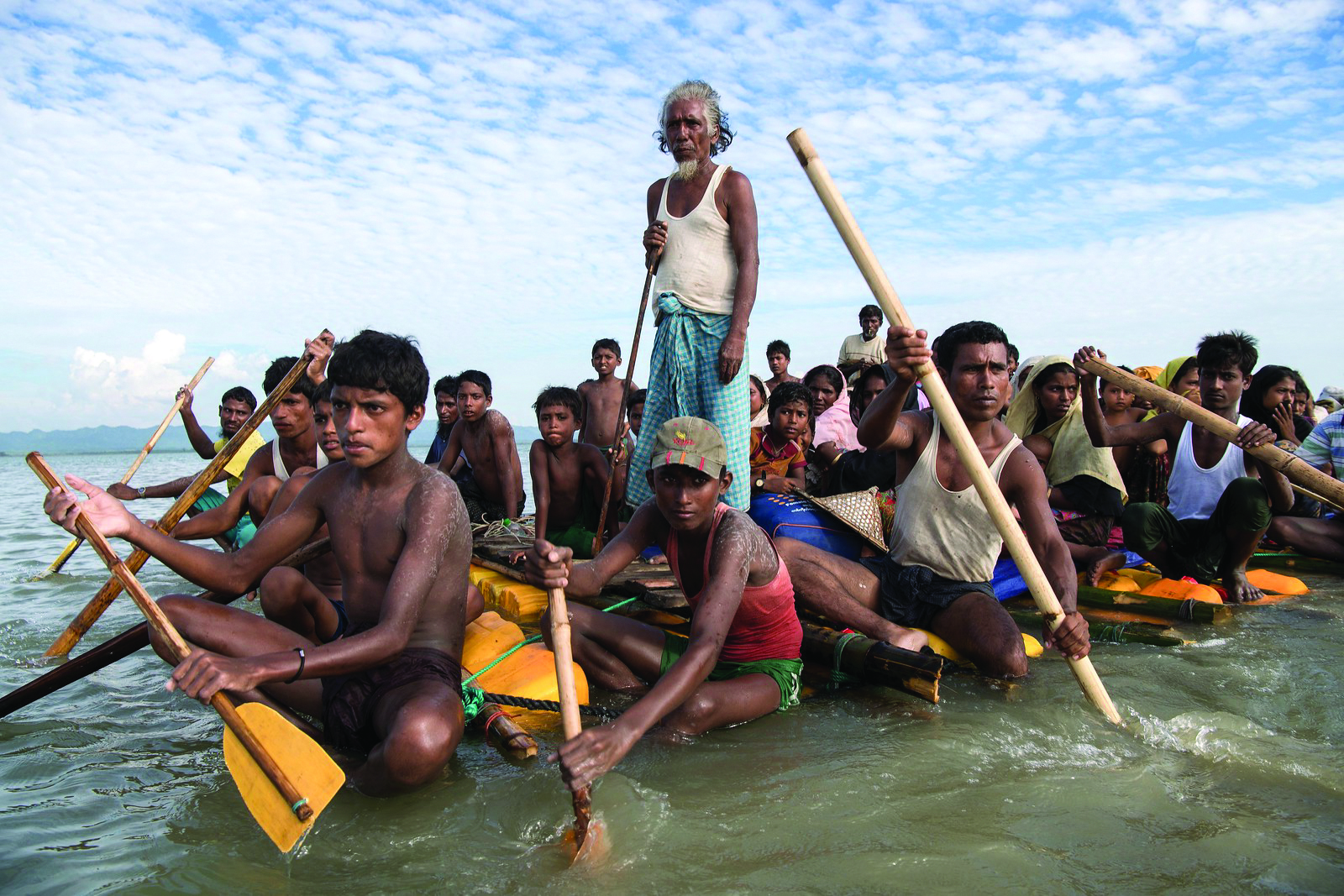
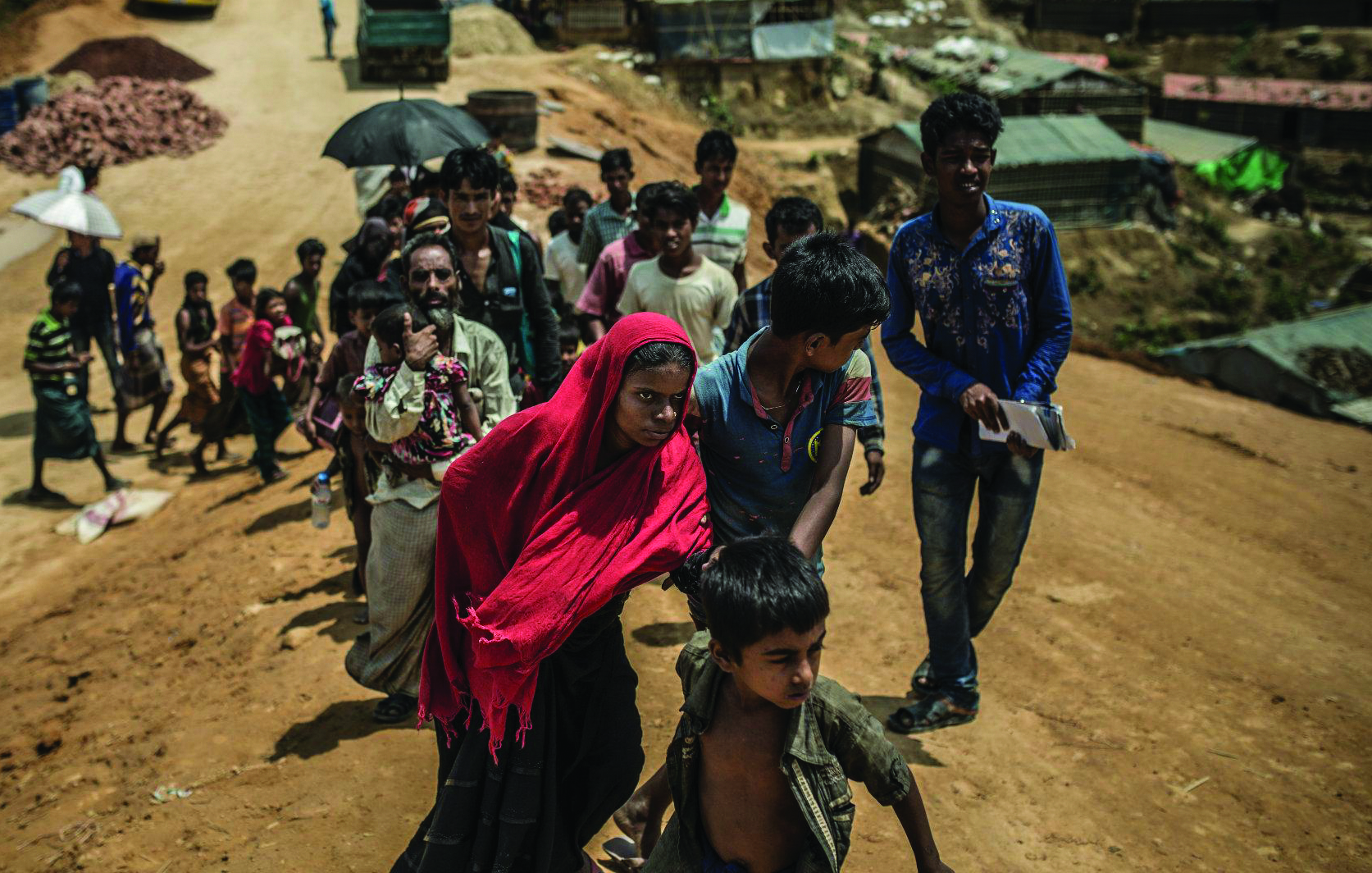
Despite not being a crisis involving multiple nations and high scale stakes, the Rohingya genocide stretching over centuries has claimed more lives in the name of ‘Ethnic Cleansing’. Bangladesh proved to be a beacon of hope, taking in the hapless Muslim refugees fleeing the atrocities inflicted by the Buddhist extremists yet, over the course of 3 decades, even Bangladesh has shown signs of frustration. There are over a million refugees. The basic resources have been continuously slimming in Kulupalang and Mayapara, forcing the BD government to take difficult measures.
Muslims have been deprived of basic human rights despite their constant plea for equality that has gone unheeded for the past 70 years even since the independence of Myanmar (formerly known as Burma). The government of Myanmar has denied any representation to the Muslim minority that stands currently at a million; they are not regarded as the legal and rightful citizens of the country despite their long lineage.
The prejudicial policies of the Myanmar government became more biased in the 1970s which involved the brutal murder of innocent Muslims, bestial raping sprees over helpless girls in the community and incineration of houses, with entire families burnt alive. Ultimately, fleeing was their inevitable doom.
Two major migrations have pinned the historical graph; one in 1978 and another 12 years later in 1990; the exodus collectively relocating close to 200,000 Rohingya inside the borders of Bangladesh, Thailand, India and Indonesia. The savage outlook of the Burmese Buddhists, however, has only picked up pace, refusing to recognise the minority as such and treating them as rebels. Rohingya were not spared in the census of 2014 nor in the general elections where a candidate from their community was rare; they were not even allowed to cast their votes.


The writer studies at the Institute of Business Administration, Karachi. He can be reached at szainabbasrizvi.14122@khi.iba.edu.pk |
|
Cover Story
|
|
News Buzz
|
Update |
Leave a Reply