



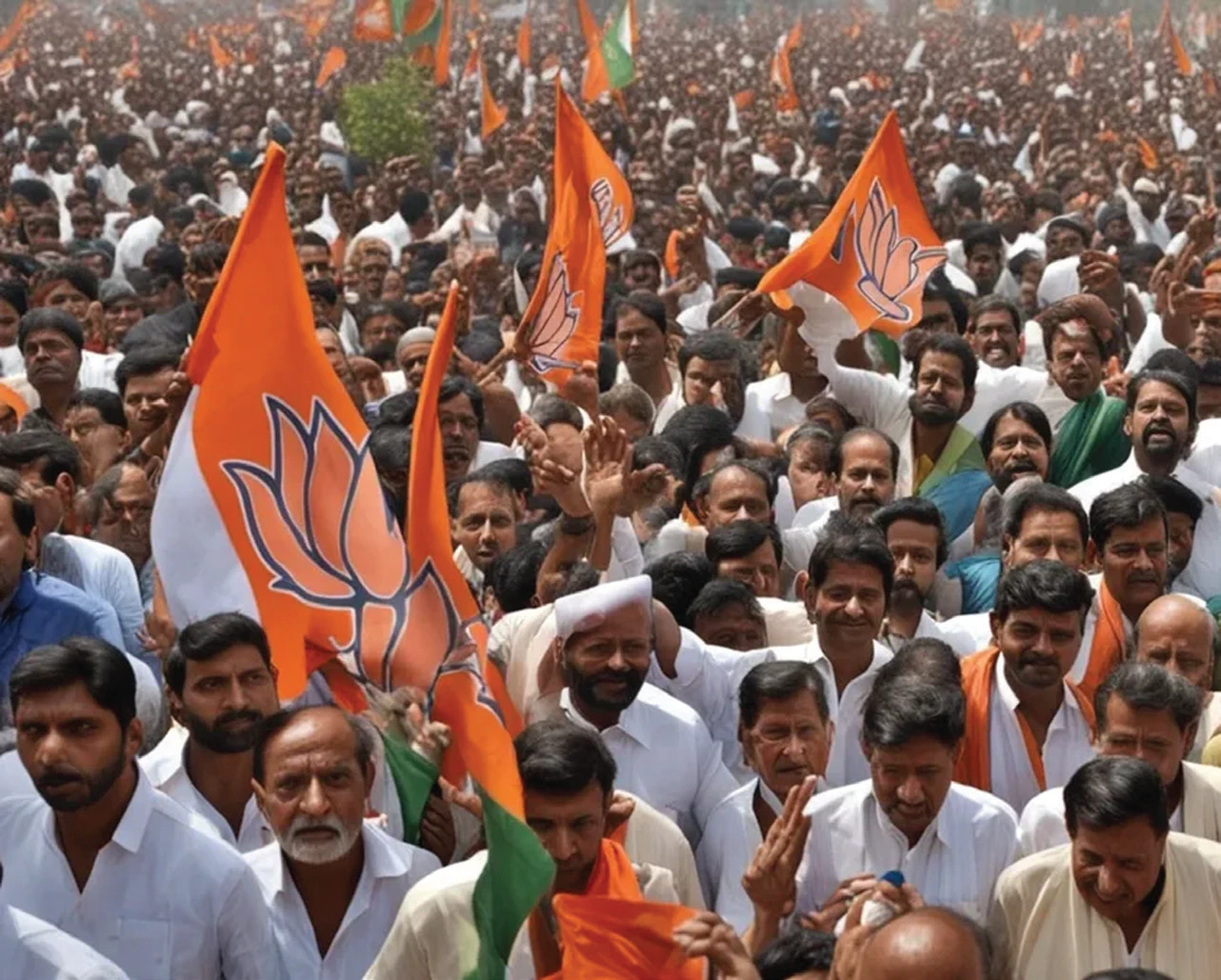
Social stratification remains a conspicuous feature of modern societies. This stratification exists along the socioeconomic lines as a class system or one based on caste. Though caste-based stratification exists in different societies to different extents, it’s a prominent attribute of Indian culture. Therefore, caste plays a significant role in the socioeconomic and demographic landscape of India. However, the impact of the caste system on the political landscape has remained an overlooked reality for decades. This is evident from the fact that, after the last caste-based census in 1931, no such countrywide practice has been carried out to date.
Though demands for the same have remained a repeated call, the mainstream political parties—the Indian National Congress (INC) and the Bharatiya Janata Party (BJP)—have vacillated their views when in power or opposition—the demand for the exact dates back to the 1990s.
Following the publication of the Mandal Commission Report calls for a caste-based census gained momentum. The report recommended a caste-based census to quantify and identify the marginalized sections and mainstream them in the development. The United Front government and the Deve Gowda government had proposed to conduct it in 1996 and 2001, respectively. However, the plans couldn’t materialize because of the change in government and the apprehensions of caste-based and political clashes.
Though the Manmohan Sindh-led political regime didn’t take a decisive step due to operational and logistics constraints, the then government in 2011 included same-caste-based practices in another exercise known as the Socio-Economic Caste Census (SECC). Since the SECC aimed to quantify data on households living below the poverty line and other socioeconomic indicators, the mechanism faced bitter criticism. This centered on the inadequacy of the requirements and the methodology applied. The data, therefore, has been termed incomprehensible and incomplete. The data from the SECC that continued until 2015 has never been made public to date.
Proponents of the caste census argue that the potential benefits far outweigh the perceived risks. They contend that a transparent and inclusive census process can help mitigate likely social tensions through open dialogue and understanding. The caste census is a matter of social justice and addressing historical injustices. It could have numerous benefits, particularly in policymaking.
First, giving precise population data could aid in ascertaining the actual percentage of each caste group in the nation. Second, it might help determine and measure the underprivileged castes and groups qualifying for caste-based hiring and educational preferences. Third, it could aid in redressing historical injustices and caste-based discrimination by exposing the extent of backwardness and discrimination. Fourth, the information gathered from a caste census may help develop suitable policies to deal with the problems of discrimination and backwardness based on caste. Lastly, a caste census can potentially improve the targeting of government welfare programmes and policies, guaranteeing that the intended recipients receive them.
Nevertheless, the ongoing debate has brought caste-based censuses into the mainstream media and political discourse. The Congress has been calling for a nationwide caste census in the country. Rahul Gandhi reiterated the demand in a rally in Bilaspur, Chhattisgarh, in October this year. “Congress conducted a caste census in 2011. It has data on people of every caste, but Modi Ji does not show that data to the people. This is one issue I spoke of before, too. Only 3 out of 90 secretaries in the government of India are OBCs. The caste census will be an x-ray of India. With it, we can find how many people belong to SC, ST, Dalit, and general categories.”


The writer is a freelance journalist. He can be reached at alihassanb.34@gmail.com
Leave a Reply