



Afghanistan has reservations that Pakistan is meddling in its internal affairs. In the wake of Operation Enduring Freedom, the Afghan Taliban fled to Pakistan because of the porous border and took refuge in the erstwhile FATA from where they launched attacks inside Afghanistan against NATO and Afghan forces.
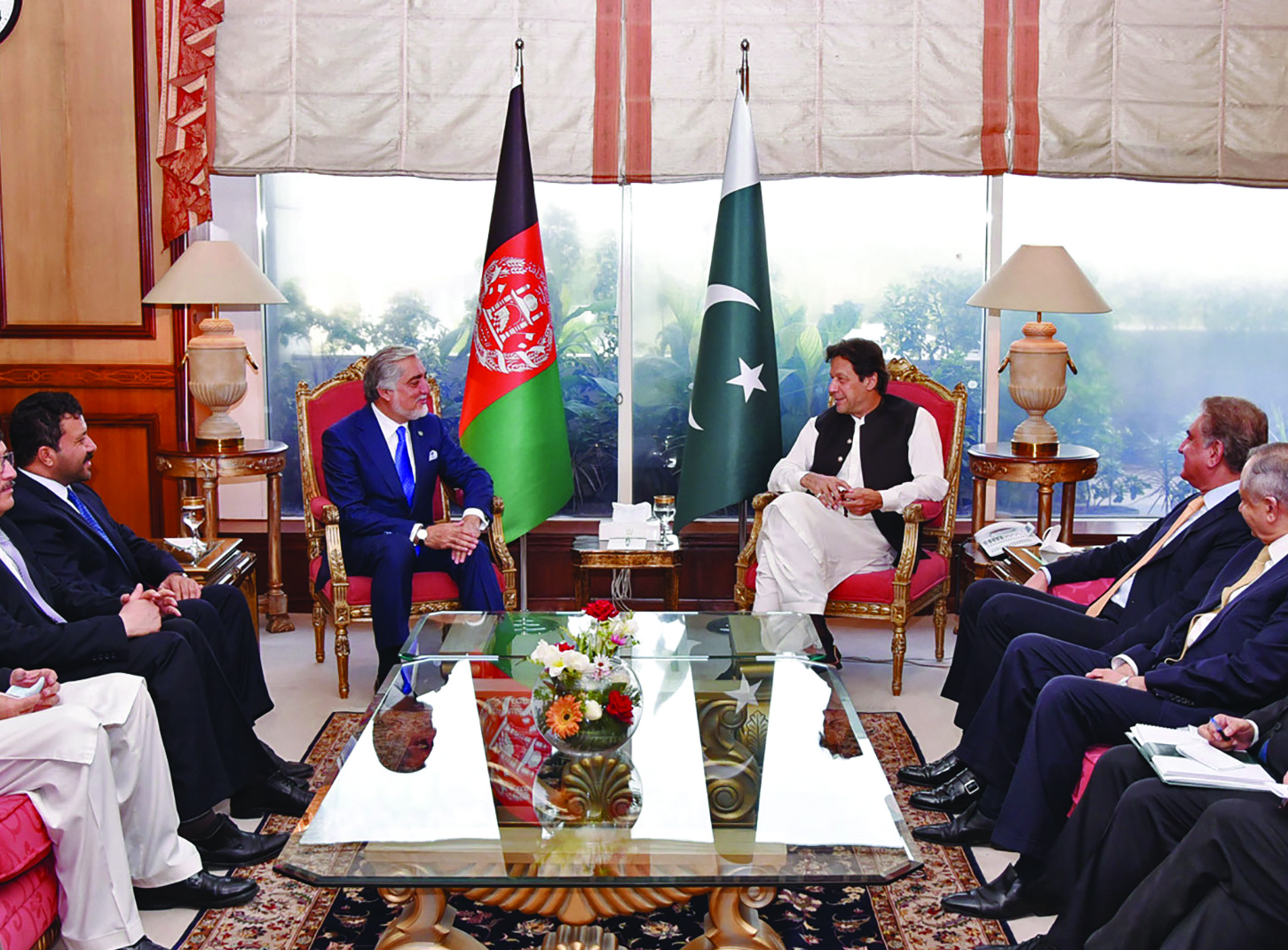
Having realised their past mistakes, the two countries have finally accepted the policy of non-interference and respect for sovereign equality. After the successful visit of Dr Abdullah Abdullah, Prime Minister Imran Khan tweeted, “…Past is an invaluable teacher to learn from but not to live in. We must look forward towards the future. I wish him all the success in his mission”. Dr Abdallah said, “Things start from small steps. Complaints exist on both sides but there has been progress in the interactions and status of relations between both countries and even those small steps will have a big impact.”
Having witnessed the fiercest violence for years, the two countries have finally agreed to re-write the history of mutual cooperation. These vital steps will help in addressing outstanding issues such as eradicating terrorist sanctuaries from side, border management, trans-border and transit trade, and other important issues. It will indeed be a harbinger of regional connectivity and cooperation and will accrue benefits for both the countries. Afghanistan lies at the heart of the Asian continent. Once peace is restored in the country, gas and electricity projects can be kick-started such as CASA-1000, TAPI, etc. Moreover, trade between South and Central Asian states can be started and the destinations could be European markets.
Afghanistan and the Central Asian Republics can benefit from the Gwadar Port for trade. It will help in poverty eradication, shared prosperity and interdependence, which will consolidate peace in the region.
Donald Trump has promised to the American nation during his presidential election that he will bring back US troops from Afghanistan. He has involved Zalmay Khalilzad in the negotiations process with the Taleban. The US-Taliban agreement in February this year was the stepping stone towards achieving the more challenging task of enduring peace in Afghanistan. Now intra-Afghan negotiations have been set in motion despite unending hitches from both sides. Earlier, there was confusion amongst the Afghan political leadership which was in charge of the negotiating team since both Abdullah Abdullah and Ashraf Ghani had declared themselves as presidents of Afghanistan. However, these leaders reached an agreement brokered by the US administration and Abdullah Abdullah was appointed as the Chairman of the High Council for National Reconciliation.
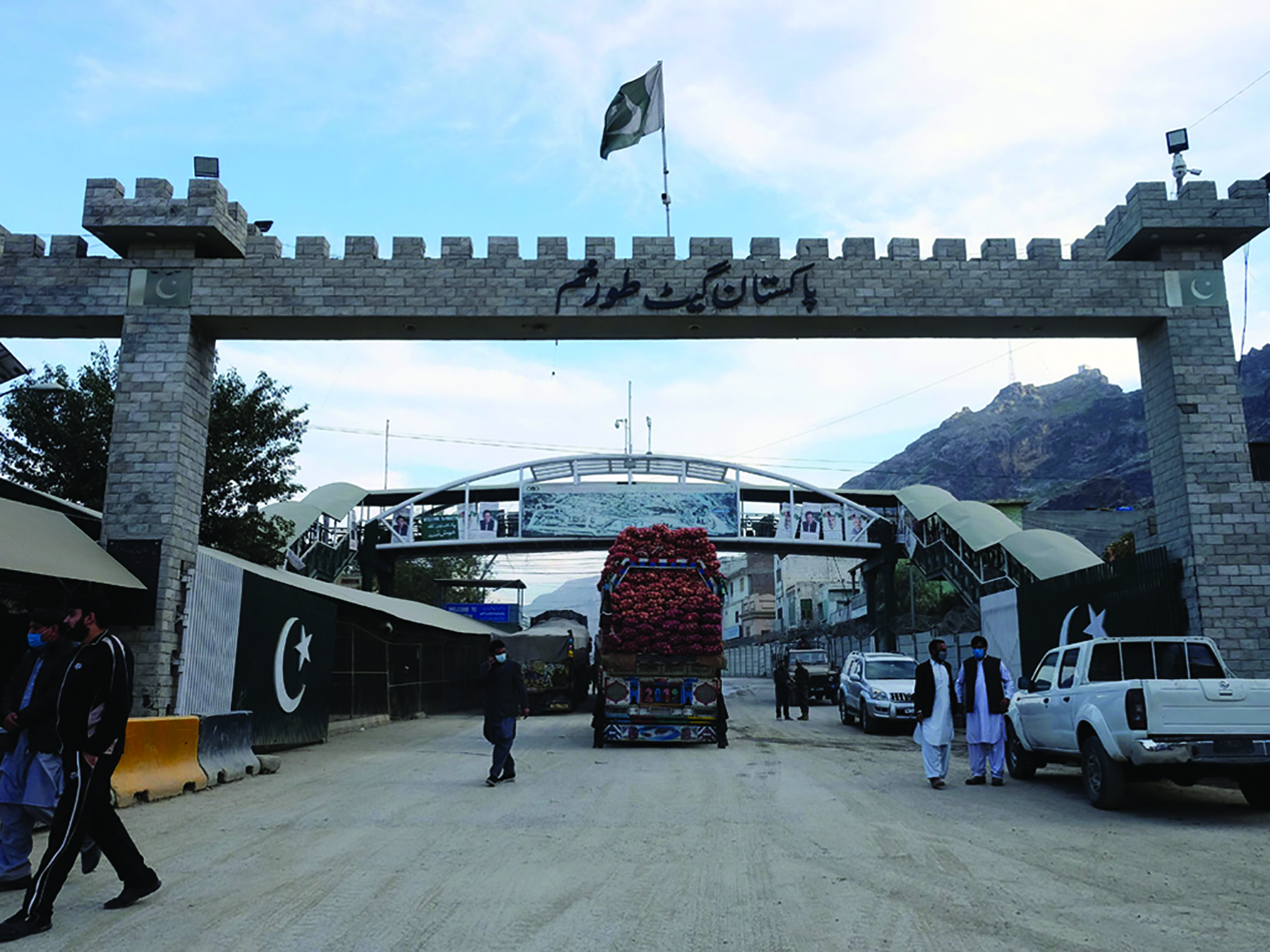
Challenges are not over yet. However, with the support of those countries that could encourage the stakeholders, there is all likelihood of the success of intra-Afghan negations. Pakistan has played a vital role in prodding the Taliban to shun violence as violence and negotiations cannot move concurrently; such tactics only harm the prospects of peace. The other actors, such as China, Russia, Iran, etc., have also played a significant role in steering negotiations in the right direction.
On the flip side, the spoilers are also leaving no stone unturned to derail the peace process. In this regard, Pakistan has time and again warned the Afghan leadership, negotiator Zalmay Khalilzad as well as the Taliban to keep the spoilers at bay for the success of the peace process. India and fractious Afghan warlords want to derail the negotiations for their vested interests. India wants to keep Pakistan engaged in the long-drawn war, while the Afghan warlords want to keep the Taliban out of political power due to their ideological rivalry.
However, it is in the interest of the Afghans to reach an Afghan-owned-and-led agreement to achieve durable peace. Simultaneously, the United States ought to use every tactic possible to move the process in the right direction. Pakistan also has to continue to convince the Taliban and the Afghan leadership with sincerity as peace in Afghanistan is also in the interest of Pakistan. Foreign Minister Qureshi has assured Abdullah Abdullah that Pakistan would like to be “friends not masters” of Afghanistan.

This writer is a free-lance contributor and can be reached at amjadsiyal |
|
Cover Story
|
|
News Buzz
|
Leave a Reply |
Update |
Good one Mr Amjad