



Afghan Enigma
Why does terrorism continue to emerge from Afghanistan, and what possible solutions exist?
Read more
Why does terrorism continue to emerge from Afghanistan, and what possible solutions exist?
Read more
Despite the Gen-Z movement, the state machinery in Nepal is still intact
Read more
The next local elections in Sri Lanka risk repeating the same story: more women in seats, but few in charge
Read moreEntrepreneurship can fuel sustainable export-led economic growth with a strong legal framework, property rights, and supportive policies
Read more
The question haunting policymakers is stark: Will the fragile ceasefire hold, or are Pakistan and Afghanistan inching, however reluctantly, towards an open confrontation?
Read more
The Maldives Media and Broadcasting Regulation Bill poses a threat to press freedom and democratic governance
Read more
With the current political system in Nepal, the new government is likely to be a coalition government, and another era of political instability is expected to continue
Read more
The July National Charter represents the most profound opportunity for a democratic reset in Bangladesh
Read more
The defence relationship between India and the United States remains functional
Read more
A Pakistan–India cricket match is never just about runs and wickets—it’s about pride, passion, and politics. The 2025 Asia Cup only intensified this age-old rivalry
Read more
With strong political will, Pakistan can successfully tap its Rare Earth Elements (REEs) wealth to become a major player in the global high-tech metal market
Read more
Serving as a perfect recipe for a dysfunctional society, the case of banning the Tehreek-e-Labbaik Pakistan (TLP) may not be different, as every proscribed party in the country resurfaces with a new face, a new name, but the same ideology
Read more
Smog in Punjab has become an enduring environmental and governance crisis, becoming a “new normal” in the winter when the sun is obscured, but the lack of action is all too visible
Read more
The people know that ‘Nero fiddled whilst Rome burnt.’ Islamabad is, of course, no exception
Read more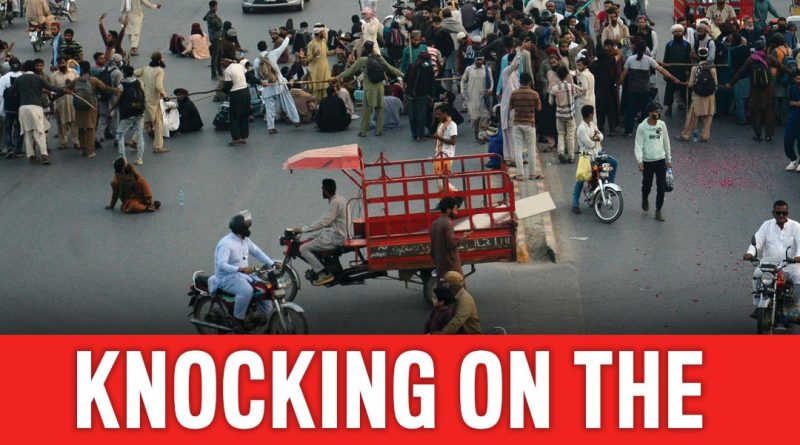
When farmers in India planned to storm their Capital, New Delhi, they had an irreversible agenda. Ours is in underwriting.
Read more
No country can pursue an independent foreign policy with a sick economy
Read more
The “Constitutional Benches,” notionally more empowered than other Supreme Court benches, lack security of tenure, which is essential for judicial independence and the rule of law
Read more
The elite capture in Pakistan is a fundamental feature of the state’s basic design and goes beyond issues of poor governance
Read more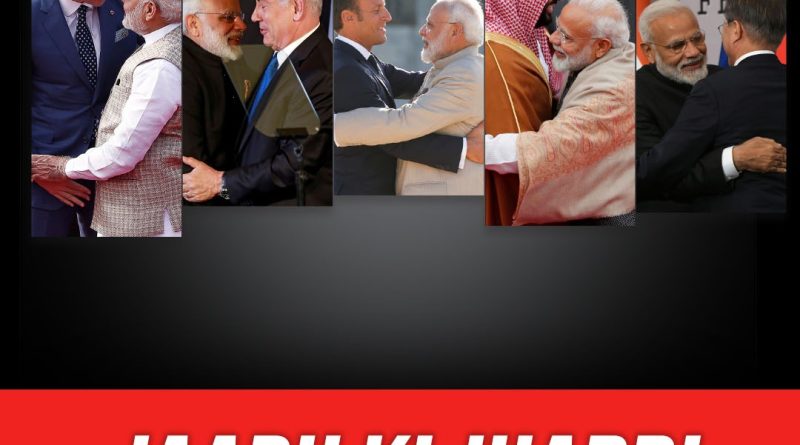
Indian Prime Minister Narendra Modi’s hug diplomacy may look dull or misfired, but his personal gestures do not damage India’s interests
Read more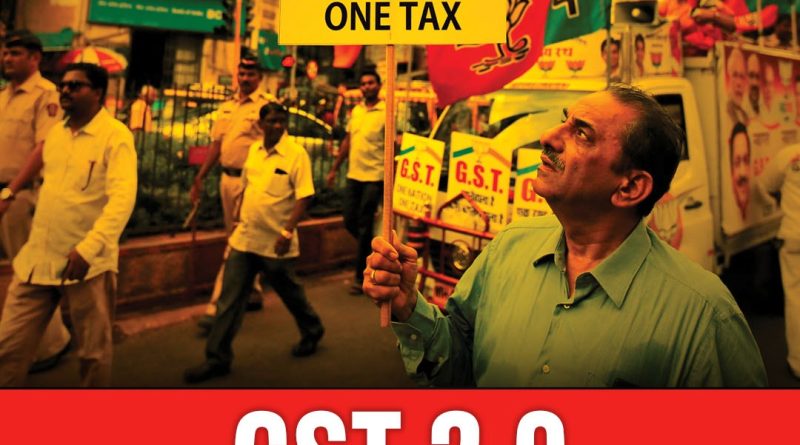
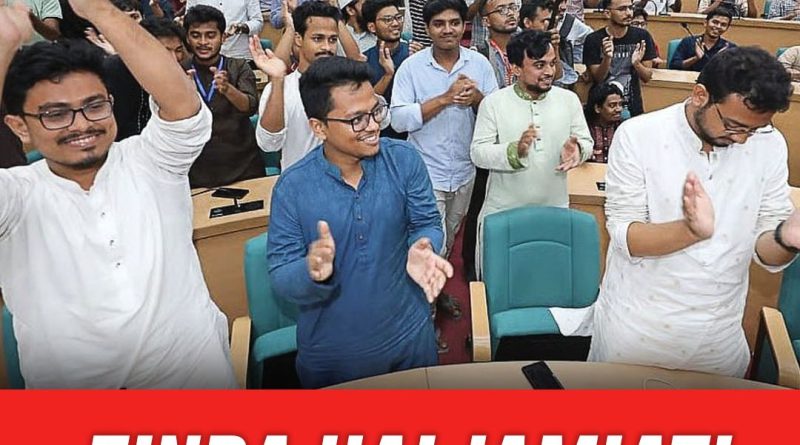
The victory of Islami Chhatra Shibir, the student wing of the Jamaat-e-Islami Bangladesh, is more than a political upset
Read more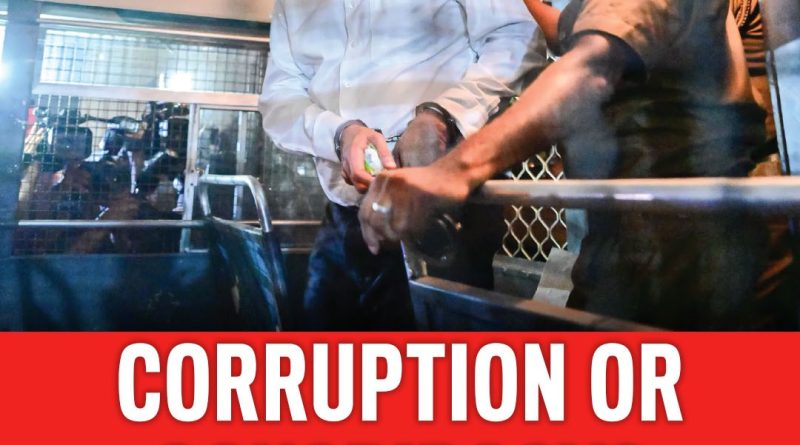
The arrest of Ranil Wickremesinghe has shaken the island nation’s fragile political landscape, reigniting debate over the fine line between accountability and political vendetta
Read more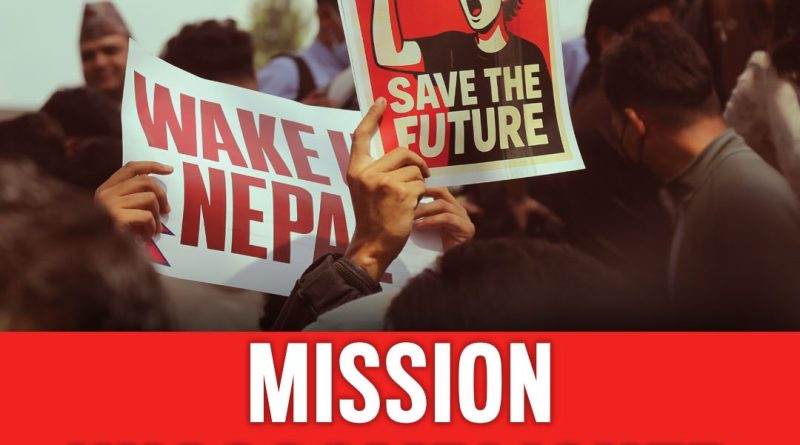
Despite the success of the Gen-Z-led movement, Nepal is set to embark on a new and prolonged innings of instability, impunity, and political chaos
Read more