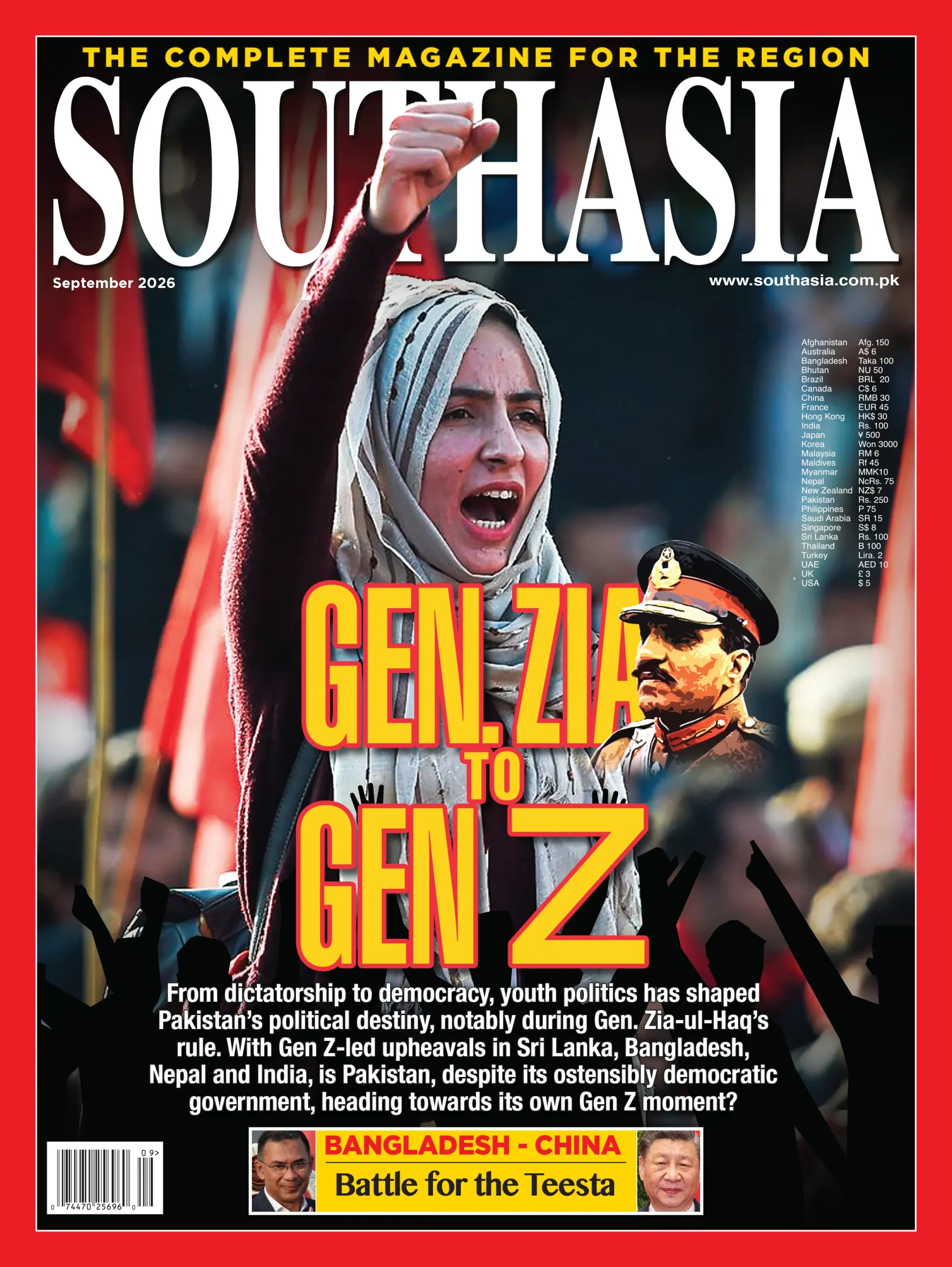



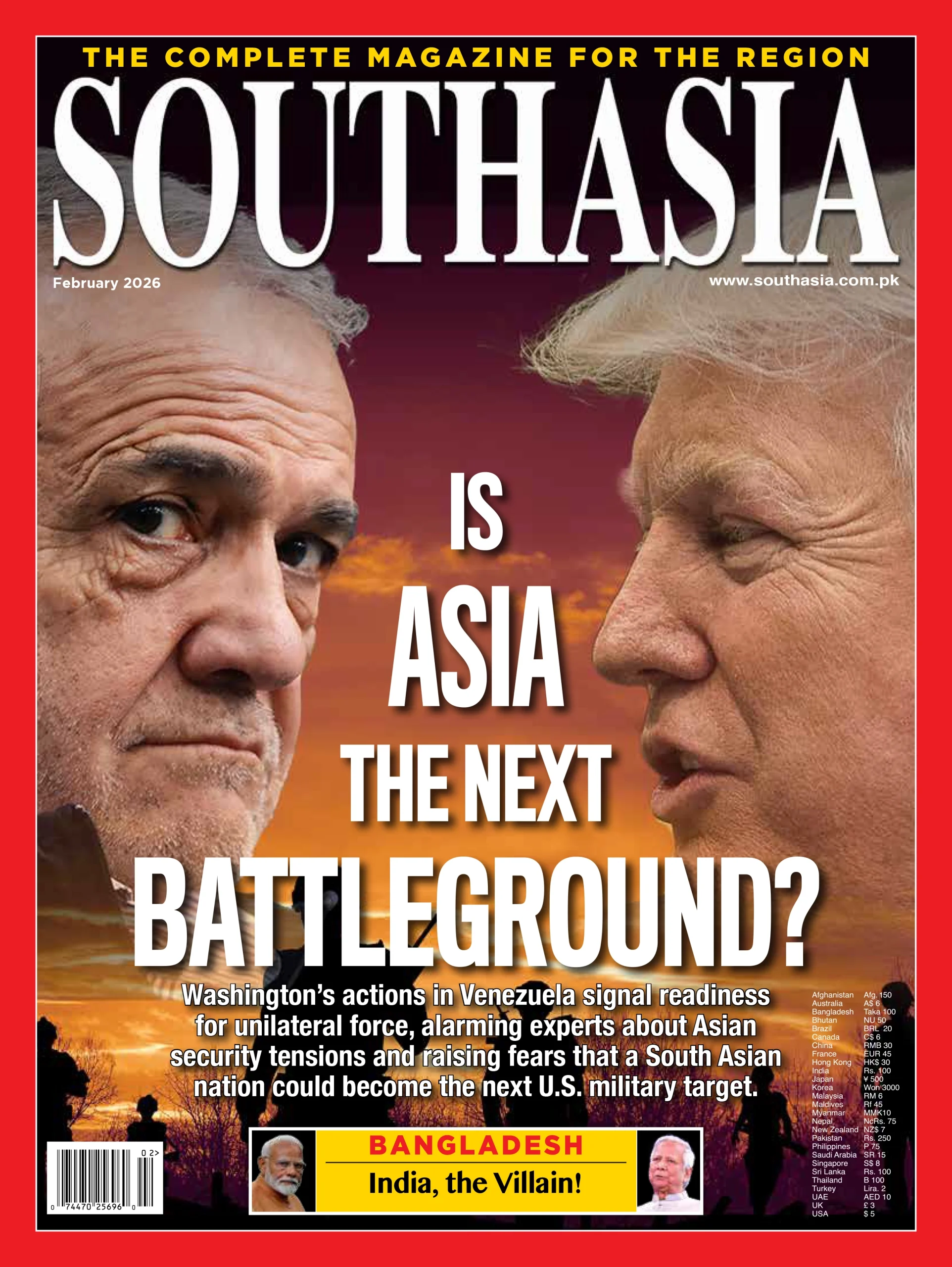
Asia – The Next Flashpoint?
This is with reference to the February 2026 cover story of SouthAsia Magazine. The chance of an Asian or South Asian nation emerging as the next focal point of U.S. intervention cannot be brushed aside. Even a layperson can easily see the mounting risks across Asia, particularly in Iran, amid an expanding American military footprint and deepening strategic influence. The recent forced removal of Venezuelan President Nicolás Maduro sent a clear message to the world community: the United States, under the presidency of Donald Trump, will pursue unilateral military action against any sovereign nation to safeguard its interests, while paying no heed to international law and established norms.
Mohammad Sharf Ali,
Islamabad, Pakistan.
Pakistan-Bangladesh Relations
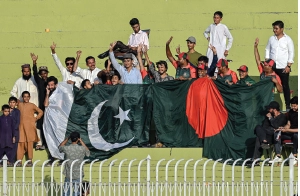 Tarique Rahman, the leader of the Bangladesh Nationalist Party, has been sworn in as the new Prime Minister of Bangladesh, marking the beginning of a new era for the country. Relations between Bangladesh and Pakistan are also likely to improve after the new government takes office. The resumption of flights and the business partnership between Pakistan and Bangladesh are manifestations of a renewed relationship that may expand to defense, textiles, agriculture, and medical sectors. Pakistan has invited the newly elected Prime Minister of Bangladesh to visit Pakistan to lay the foundation for a new era of strong Pakistan-Bangladesh relations that can promote defense, education, tourism, culture, and the textile sector.
Shagufta Jabeen,
Chattogram, Bangladesh.
Türkiye and the Middle East
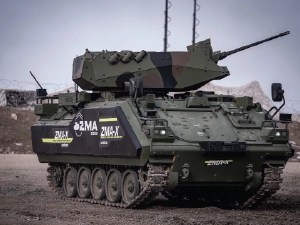 It would be premature to say that Türkiye and Israel are heading towards direct conflict, but Türkiye’s military autonomy and export capacity have forced Israel to reconsider its strategy. The balance of power in Middle Eastern politics has always been in flux, but in recent years, Türkiye’s extraordinary development in its defense industry has shifted the balance to a new level. In a region where military superiority is seen as a measure not only of combat capability but also of diplomatic influence, economic autonomy, and ideological leadership, Türkiye has been systematically reshaping its defense infrastructure to establish itself as a regional power. It is this backdrop that has Israel deeply concerned. President Erdogan has taken a clear stand in favor of Palestine and has openly criticized Israel over the situation in Gaza. There have also been indications from Israel that it does not want Türkiye’s military presence in a possible peacekeeping force in Gaza. Another important aspect here is the continued increase in defense cooperation between Pakistan and Türkiye, which Israel considers a major threat to itself.
Adeel Riaz,
Toronto, Canada.
Remnants of British Colonialism
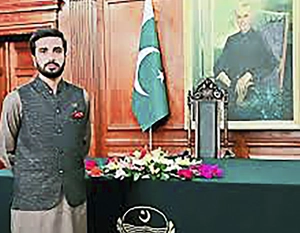 The outdated Central Superior Services (CSS) system is nothing more than a legacy of the British colonial era, producing “masters” like the British. Better to say, the CSS system is ripping off the national exchequer, and no reform is possible without eliminating it. Corruption is rooted in the institutions and has become a weapon of bureaucracy. The deficit in government institutions is not an accidental event but the result of systematic corruption, a product of a bureaucracy nurtured under CSS. These officers are ordinary graduates who have no technical skills. A simple graduate is appointed to science institutions, while there should be PhD scientists there. The result of this deliberate incompetence is a consummate failure. They govern, not serve. Their job is to terrorize the public, not to serve them. As long as such British-like masters continue to be produced, the failure will continue. The real solution is to recruit to institutions based on expertise and higher qualifications.
Farah Junaid,
Karachi, Pakistan.
Tax on Salaried Class
 The salaried class in Pakistan is bearing the brunt of taxation more than the business sector. In the first seven months of the current fiscal year, for instance, salaried individuals paid Rs 315 billion in income tax, 10 percent more than in the previous fiscal year. Apparently, this could be good news for the government, but for the common man, it is otherwise. Salaried people are already grappling with hyperinflation, electricity and gas charges, and other unavoidable expenses, and a large part of their salary is spent on taxes. Currently, a salaried person pays about 38 percent of his income to the government, while real estate, shopkeepers, and many other sectors pay much less tax. Instead of expanding the tax net and bringing influential people into the system, the government is repeatedly burdening the same people who are already paying taxes. That is why educated and skilled people are leaving the country in droves. Last year, for example, about 762,000 Pakistanis left the country, of which more than 250,000 were skilled and highly educated. If Pakistan’s economy is running today, it is largely due to remittances from overseas Pakistanis, which is a matter of concern.
Ain-ul-Haque,
Karachi, Pakistan.
A Journey to Nowhere
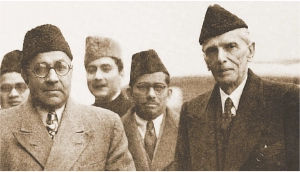 The 78-year history of Pakistan can be divided into two types of leadership: Those who built Pakistan vs. those who looted the land. In the first period, the rulers of Pakistan were those who fought day and night and made all kinds of sacrifices to build Pakistan. The second period was that of those princely rulers who got a ready-made country. They freely used the national treasury, set new records of luxury, and the annual expenditure of the Prime Minister’s House reached billions. There is no need to go into detail because, firstly, you are aware of the lavish spending of these rulers. Secondly, the purpose is to give you a glimpse of history so you can understand how our rulers established traditions of simplicity and thrift immediately after Pakistan’s establishment, and then, God knows, where this train went off the rails.
Dr. Asad Ali Riaz,
Sargodha, Pakistan.
Who Created Pakistan?
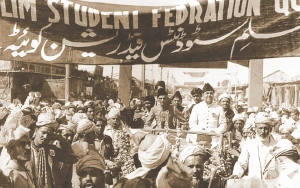 An impression has been created that Pakistan was created by the Muslim minority provinces of the Indian subcontinent, as there was neither much enthusiasm in the majority provinces nor did the Muslim League have much support for the creation of Pakistan. There is no doubt that the minority provinces made unprecedented and historic sacrifices for the creation of Pakistan. However, to assume that the Muslim majority provinces were not active and their role in the creation of Pakistan was very small is not correct. Just study history with a cool head and look at the facts with a neutral eye. One may easily find that indeed the minority Muslim provinces made a lot of sacrifices, but the role of the people of the majority Muslim provinces of India in the Pakistan Movement was more prominent. Otherwise, Pakistan would not have come into existence.
Ehtesham Ahmed,
Badin, Pakistan.