



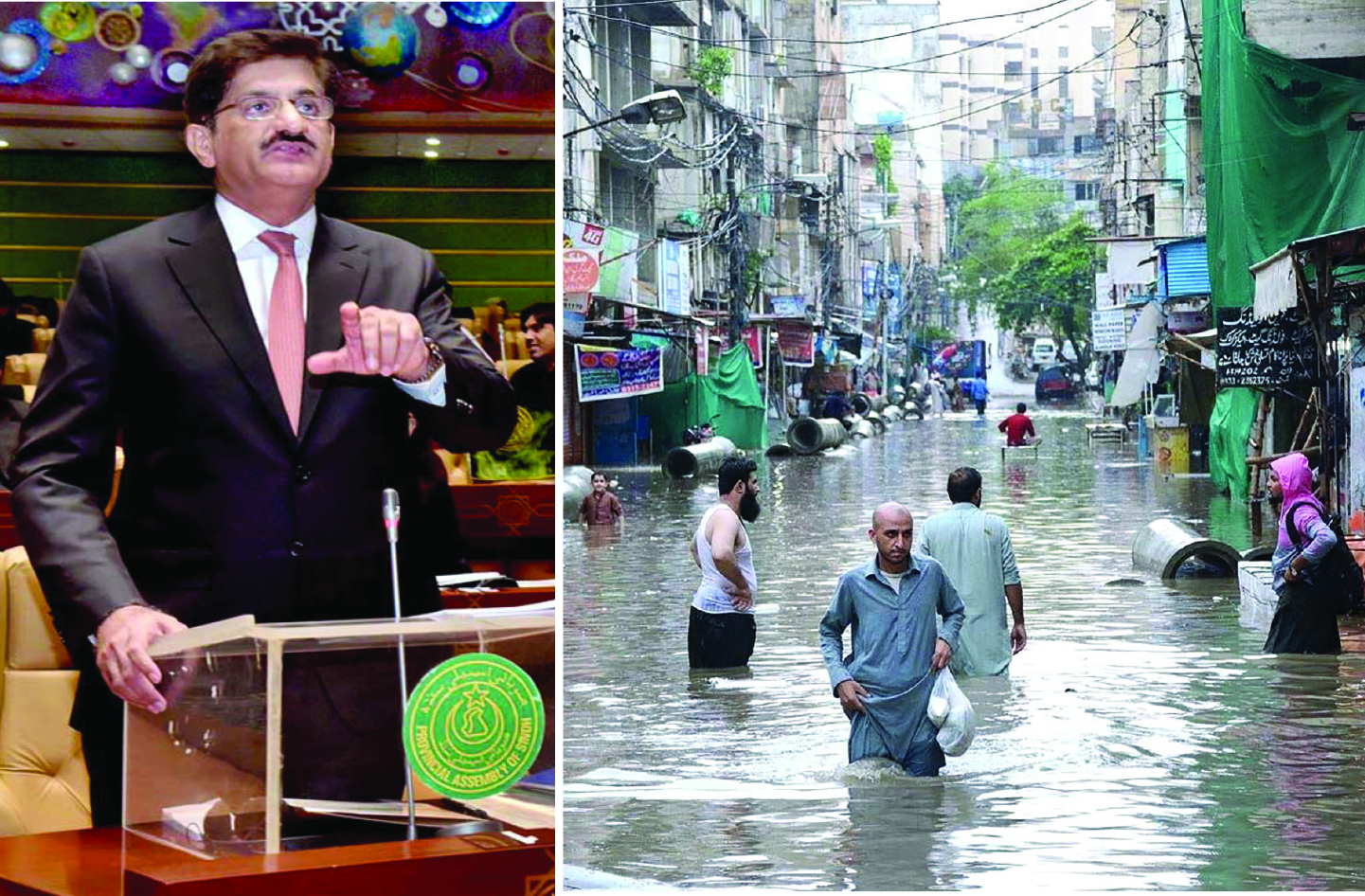
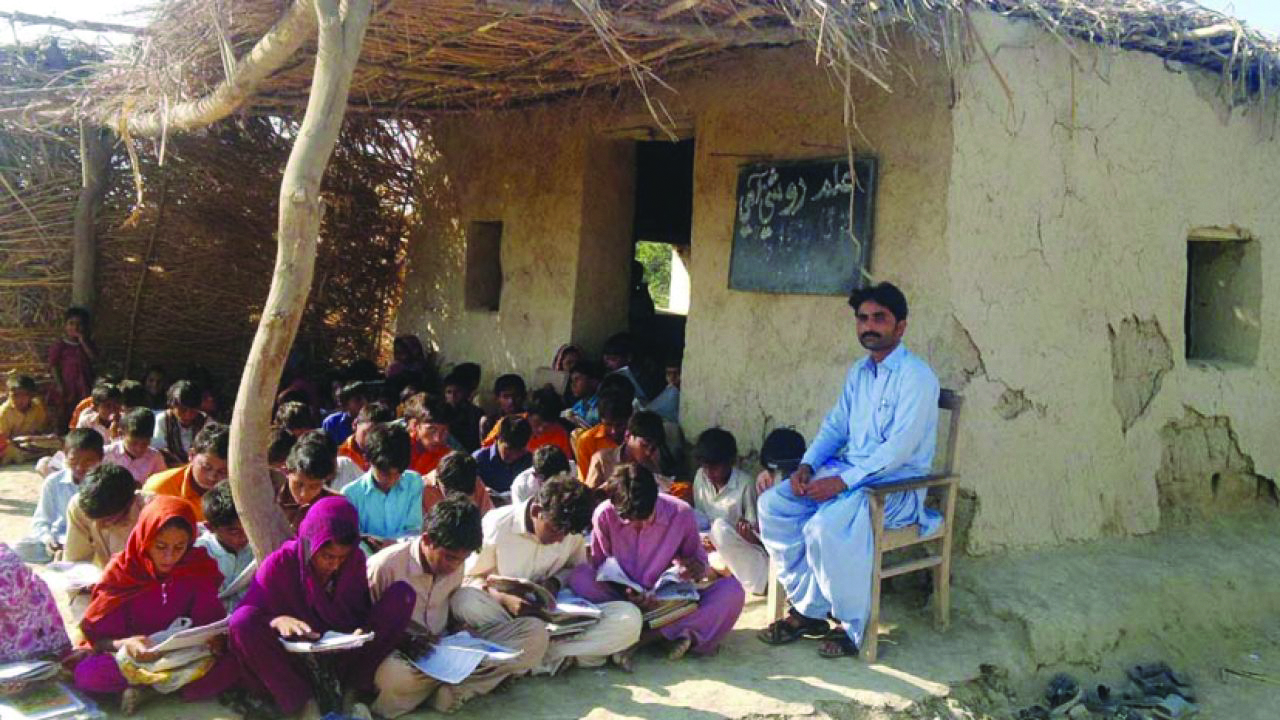
 The rural areas of Sindh remain desolate - and its cities are not far behind. They seem to have no connection with the rest of the country. Like the rural areas, the cities too wear a decrepit look. Areas in the interior of Sindh, such as Kotri, Khairpur, Larkana, Dadu, Tando Allahyar, Ghotki, Thatta and so many others, do not have ample educational facilities or a durable system of healthcare. People who want to acquire higher education are compelled to move to Karachi, Hyderabad or to other cities while those in need of medical attention also have no choice but to find hospitals in the urban centres. While Sindh is Pakistan’s third largest province in terms of area and the second-largest by population, it has its share of grievances arising from the inability of the government to focus on its development.
Over the years, the whole of Sindh has more or less remained a neglected part of the country. Where the federal leadership looks at the entire country as a whole, the provincial leadership has the responsibility to ensure that people living in its jurisdiction are not ignored in terms of their basic rights. The people of Sindh, however, are experiencing one bad government after another. Since 1970, Sindh has not been ruled by a government that could have uplifted the province. The leaders, including the chief ministers and the members of the National Assembly, have failed to change Sindh and upgrade it in education, health and all other sectors.
A leader must have clarity of purpose, decisiveness, courage, passion and humility. Moreover, a leader must have a vision about the future. It is this vision that is lacking in the leadership of Sindh. This prevents them from working for the development of the province and its people. Looking at the leaders of Sindh from the current setup and the past, we observe that they certainly do not have clarity of purpose. This is why, there is a need for them to plan projects related to infrastructural development of the province. These leaders must also have the decisiveness so that they can decide which projects to launch and how much funds must be allocated for each project. Unfortunately, they seem to focus only on earning money and stuffing their own pockets instead of taking up projects for the benefit of the people.
Since 1947, Sindh has had 29 chief ministers. The current chief minister, Syed Murad Ali Shah, is serving his second term that began on August 18, 2018. His first term was from July 29, 2016 to May 28, 2018. It is interesting to note that the chief ministers of Sindh from 1947 to 1955 belonged to the Pakistan Muslim League. From 1972 onwards, the provincial chief ministers were brought in by the Pakistan People’s Party (PPP). This is when the state of affairs in Sindh began deteriorating.


The writer has a special interest in the region’s social and political affairs. He can be reached at omariftikhar82 |
|
Cover Story
|
|
Tribute
|
|
News Buzz
|
Update |
Leave a Reply