



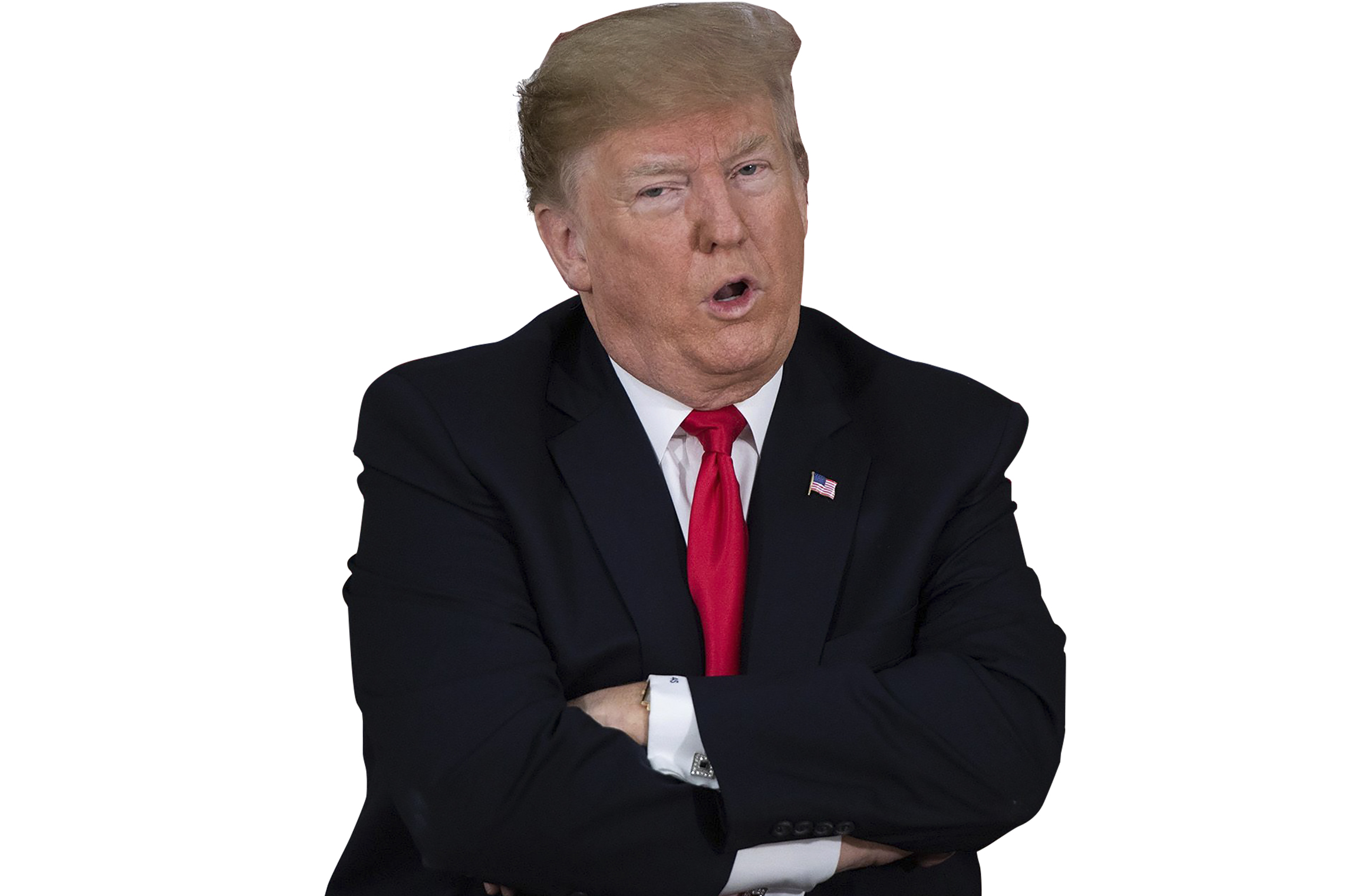
 As the 2016 US presidential race reached its denouement and the world had to accept the inevitability of a Trump presidency, a few analysts indulged in the futile search for a silver lining. In a conciliatory piece for The Washington Post – titled ‘Calm Down. We’ll Be Fine No Matter Who Wins’ – Kathleen Parker asserted that Donald Trump would be reined in by the House or the Senate if he came into power. In hindsight, the columnist’s conclusion was fuelled by the blind optimism that the institutions of American democracy would neutralize Trump’s impulsive tendencies.
Four years on, the Trump presidency has pushed the US to the brink of collapse. The institutional failures in tackling the COVID-19 pandemic, the surge in recession-related job losses and the ongoing protests against systemic racism in the country have exposed the fragility of the American polity. According to a national election model, Trump may lose the popular vote owing to the economic recession triggered by the global pandemic. In a similar vein, an extensive survey of the American electorate conducted by the Democracy Fund + UCLA Nationscape Project has indicated that former US vice-president Joe Biden holds a “double-digit” lead over Trump.
Despite these optimistic signs, the damage done by the Trump presidency runs deep. Even if a new regime takes the reins, this will not guarantee that the country’s woes will be miraculously solved. At this critical juncture, the very institutions that were expected to impose much-needed constraints on an impetuous statesman have been drained of their vigour. Now that the checks and balances within the political system have been compromised, political norms have been consistently flouted and American democracy remains a pale reflection of its former glory.
Since he assumed public office, Trump and his cronies have repeatedly struggled to obey the law and have on countless occasions found ways to circumvent it. For instance, the law prohibits federal employees from overspending to benefit themselves or their colleagues during official travel. In the past, prison sentences have been meted out to federal employees who have violated this legal principle. In 2019, Vice-President Mike Pence’s visit to Dublin for a series of meetings resulted in thousands of taxpayers’ dollars being spent. Instead of staying at the site of the meetings, Pence opted to stay at the US president’s hotel, which was nearly 180 miles away. As per news reports, the vice-president’s decision to pay for his own room did little to salvage the situation since it involved him paying a chunk of his own salary into his supervisor’s pocket. Though he was criticized for breaking the law, Pence didn’t have to face severe consequences for his actions.


The writer is a journalist and author. He analyses international issues and can be reached at tahakehar2@gmail.com |
|
Cover Story
|
|
Special Editorial Feature
|
|
Region
|
|
News Buzz
|
Update |
Leave a Reply