



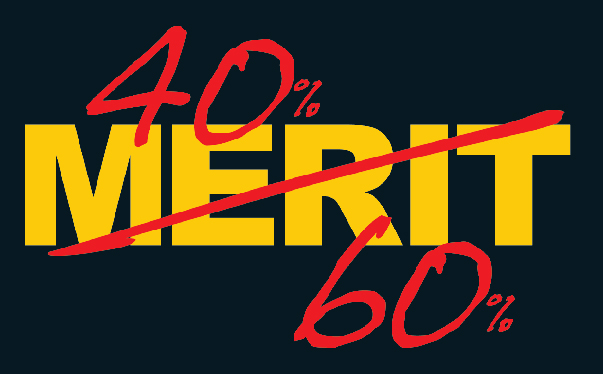
 Aquota system is a tool that facilitates the governing of a nation-state through regulation of the political, economic and administrative representation of marginalized groups, particularly in a region considered to be underdeveloped. It is, however, usually manipulated for political considerations. The quota system is like a glass of cold drink which, on the one hand, gives a cool feeling on the inside but leaves a negative impact on the outside. It particularly slaughters merit in government departments in the matter of jobs and admission to higher educational institutions.
Pakistan like India is a culturally pluralistic society. Just after independence, in the very first few years, India abolished the zamindari, jagirdari and sardari systems, giving more weightage to merit. On the other hand, Pakistan, just after one year of its independence, established a quota system in 1948 to compensate the different provinces, particularly East Pakistan. This process at the national level led to many problems and even created a crisis situation between East and West Pakistan.
After East Pakistan broke away, the new Pakistan was led by Z.A. Bhutto and he presented the 1973 Constitution. In this he included a separate chapter on “Fundamental Rights and Principles of Policy of State” to safeguard fundamental rights of the citizens of Pakistan against discrimination in the federal and provincial government services.
Bhutto introduced a quota system in Sindh in 1973, based on rural and urban divisions. Although the system was initially meant for ten years, but has been continuously extended since and has left a very negative impact. It has slaughtered merit in all sections of the population, As a result, the Muhajirs who migrated from India after independence of Pakistan were deeply affected in seeking government jobs or admissions to educational institutions.
The most damaging effects caused by the quota system were on admissions to universities and colleges in Karachi because a number of seats were reserved for applicants who had done their previous studies in rural and underdeveloped regions of the country, including Sindh. Consequently, candidates with low grades qualified for admission to medical and engineering colleges in Karachi and only because they were from rural or underdeveloped areas. This deeply affected the merit candidates from Karachi.
This rejection of merit gave rise to a conflicting political environment in Karachi. This is when the APMSO (All Pakistan Muhajir Students Organization) was formed. It soon converted into the MQM (Muhajir Qaumi Movement) under the leadership of Altaf Hussain. Z.A.Bhutto also nationalized Pakistan’s commerce and industrial sectors. This also affected the educated youth of Karachi. Besides not being able to get into professional educational institutions on merit, they also lost job opportunities. Karachi is Pakistan’s largest city and the Muhajirs are the main stakeholders in the city. The city generates about 65% of Pakistan’s revenue but it is not governed by its local representatives as the Sindh Assembly has a PPP majority and these members are obviously more interested in spending funds in the rural areas of Sindh rather than in Karachi or other urban centres.


The writer was a professor and Chairman of the Department of Political Science at the University of Karachi. He can be reached at drarshadkarim |
|
Cover Story
|
|
Special Editorial Feature
|
|
News Buzz
|
Leave a Reply |
Update |
The only solution is to make Karachi a separate province or a federal territory like Islamabad. Had Ayyub not made the blunder back in 1960 to shift the capital, situation at least for Karachi (which houses most of non Sindhis esp. muhajirs) would have been much much better.