In India, scheduled castes were accommodated. In 1990, the Mandal Commission recommended reservation for the scheduled castes, as for centuries they had been persecuted and treated with inequality. As a result, they were unable to compete with the superior classes in jobs or university admissions. Both in India and the U.S, voices are raised by those who are against providing concessions to suppressed minorities. They argue that compromising on merit is against talent and enterprise.
In no other province of Pakistan, is the quota system is as controversial and a source of discord as in Sindh because of three main reasons. First, the PPP’s first government of Zulfiqar Ali Bhutto is accused of fanning Sindhi nationalism by introducing the Language Bill in 1972. There were language riots in Sindh against declaring Sindhi as the provincial language. But the PPP government benefitted the Sindhi-speaking population by introducing a quota system based on a 40-60% formula. Urban Sindh got 40% jobs at the provincial level. Rural Sindh got 60 per cent. Sindh was already reeling from ethnic violence in 1972 and was further polarized between the Sindhi and non-Sindhi communities when the quota system came.
At the federal level too, a quota system for Sindh was introduced. Out of the 19% quota for Sindh, urban Sindh got 7.5% and rural Sindh 11.5%. The argument was that since rural Sindh was educationally and economically backward, the youths of this part of Sindh should be given preference. Initially, the quota system, which was enshrined in the 1973 Constitution, was introduced for 10 years but in 1983 when it was about to expire, the Martial Law regime of General Zia ul Haq extended it for another 10 years. The educated youth of urban Sindh, particularly those in Karachi, who had suffered because of the quota system were enraged and demanded that the system be immediately abolished. The Zia regime, however, because of political considerations, decided to continue it. Successive regimes after Zia era continued the urban-rural divide and the quota system.
Growing frustration and anger among the youth of Karachi, Hyderabad and Sukkur culminated in the formation of the MQM in 1984. One of its major demands was abolishment of the quota system which was termed as a genocide of merit. The MQM surge in the mid and late 1980s reflected the sense of deprivation in the Urdu speaking community in Sindh. They faced the double jeopardy of first being marginalized from the country’s power structure and then deprived of their right to get jobs and admissions in higher educational institutions despite having merit and professional skills.
The MQM fully exploited the frustration in urban Sindh against the quota system but unfortunately it failed to use its vote bank and being in both the federal and Sindh governments many times since 1989 to abolish the rural-urban quota. As a result, the movement against the quota system lost its momentum because those who were supposed to stand against the discrimination, left the Urdu-speaking community in urban Sindh in the lurch for their own economic benefits and a comfortable way of life.
The misuse of the quota system in Sindh is the third dimension of the arrangement that was made in the 1973 Constitution to help the youth of rural Sindh. It has been alleged by the critics of the quota system in Sindh that fake domiciles of urban Sindh hav been issued to non-residents to distribute jobs to favourites and non-deserving applicants. Questions are also asked that after almost 50 years of the quota system, how have the people of rural Sindh benefitted and to what extent has the system been helpful in bridging the gap in social and educational backwardness between the rural and urban areas of Sindh?
Karachi, which used to excel in education and its youth were termed as very enterprising, has experienced a massive erosion in its standard over the last three decades. Violence and the culture of cheating in educational institutions of Karachi that started in the mid-1980s has led to a brain drain and flight of talent of the Urdu speaking youth who decided to migrate in order to escape from discrimination and deterioration of law and order.
It is obvious that PPP will not remove the quota system because they do not want to antagonize rural Sindh which, since 1970, has remained their strong vote bank. As far as other political parties are concerned, they have their own considerations. Even the MQM had asserted in its election manifesto that it would take a firm position against the quota system and would get it revocated. However, its stance has been greatly compromised. Even when it had the maximum clout during the regime of President Pervez Musharraf, it failed to fulfill its commitment about the quota system and the repatriation of stranded Pakistanis from Bangladesh.
In view of such stark realities, politics of hypocrisy and opportunism, there is no short or long-term possibility of doing away with the quota system. In the exams held under the Federal Public Service Commission there are only 10% seats on merit while the rest are divided into various provinces, including Azad Kashmir and Gilgit and Baltistan under their respective quotas. In Sindh, which is a unique case, seats are divided on rural and urban basis. As long as Pakistan and Sindh remain under the menace of the quota system, the Pakistan will remain devoid of merit. Incompetency will rule the roost in the bureaucracy and in other national institutions, leading to increased corruption, nepotism and under-development. 




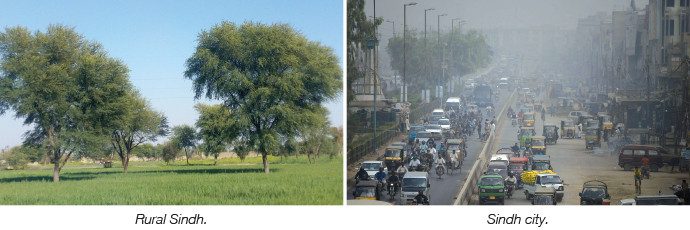 The Quota System was introduced in Pakistan and in the Sindh province in urban and rural categories to help the backward strata of society. In the 1973 Constitution of Pakistan, the quota system was given an institutional shape and became a source of conflict, particularly in Sindh.
Leave a Reply