


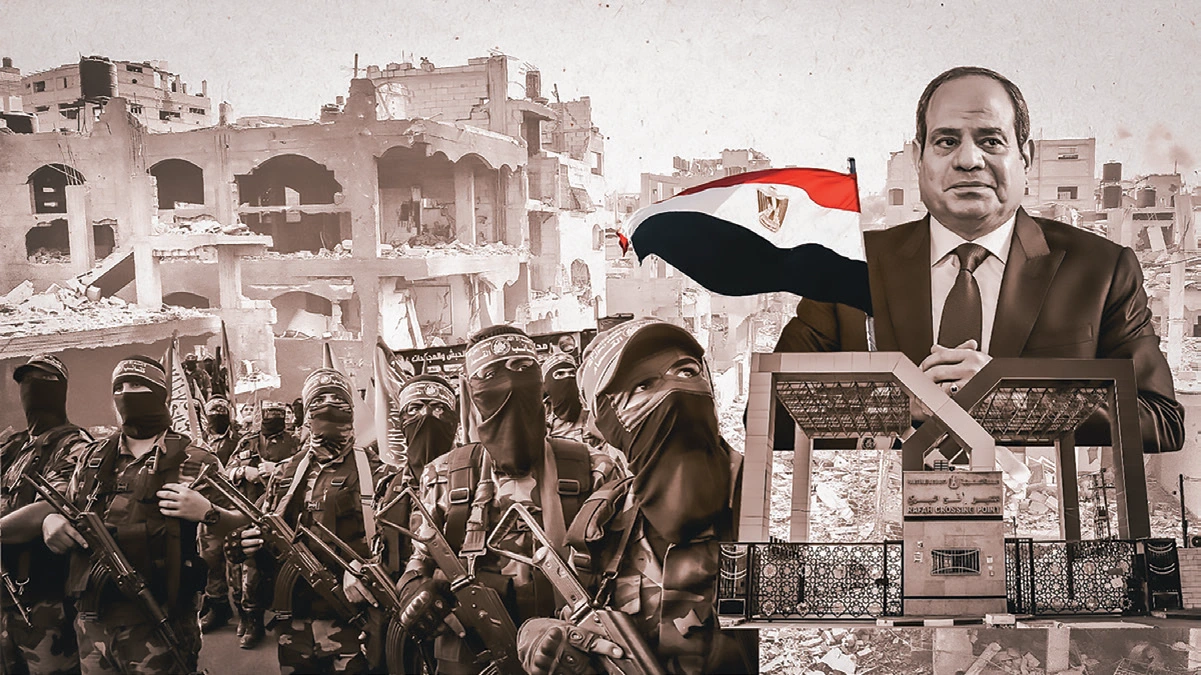
In the ever-shifting tapestry of global affairs, the echoes of conflict often pierce the veneer of our collective consciousness. As we traverse the threshold into the year 2024, the resounding calls for a ceasefire in Gaza beckon us to a moment of contemplation. The Egyptian government, in its recent overture, extends an olive branch amidst the swirling tempest of regional discord. This provokes an exploration of the intricacies of this proposal, sparking interest and hope for a potential resolution to the protracted conflict.
The historical backdrop of the Israel-Gaza conflict serves as a complex tapestry, interwoven with grievances, territorial disputes, and geopolitical interests. An examination of the proposed ceasefire through this lens requires us to unravel the threads of discord that have persisted over time. How have historical events shaped the current landscape, and can the proposed ceasefire address these deeply rooted issues?
Dr. Aleida Guevara’s poignant questions force us to confront the moral dimensions of the conflict. The Egyptian plan, viewed through an ethical prism, becomes a call to transcend political calculations and address the human cost of the ongoing hostilities. By considering the well-being of the affected populations, the ceasefire proposal takes on a significance that extends beyond the realm of geopolitics. The unsettling question raised by Dr. Guevara—“Today it is Gaza. Tomorrow, who will it be?”—becomes a central point of reflection. The Egyptian government’s proposal necessitates a consideration of where the line should be drawn to ensure a lasting peace. Can this ceasefire lay the groundwork for establishing clear boundaries and preventing the recurrence of violence in the future?
In December 2023, Egypt proposed a multi-stage ceasefire plan. According to information from two Egyptian security sources, the initial stage involves a temporary ceasefire lasting one or two weeks. During the first 10-day period, Hamas would release women, children, and elderly individuals held captive. In return, Israel would release an agreed number of Palestinian prisoners in these categories, cease all fighting, move tanks outside populated areas, and permit the delivery of medical and food aid, fuel, and cooking gas. Additionally, the proposal allows for the movement of people back to northern Gaza.
The second stage focuses on Hamas releasing Israeli women soldiers, and Israel, in turn, releasing another group of incarcerated Palestinians. The two parties would also exchange bodies that have been withheld since October 7. The third and final stage, potentially lasting one month and contingent on negotiations, involves the release of all captives in Hamas custody in exchange for an agreed-upon number of Palestinian prisoners. Furthermore, Israel would withdraw tanks from Gaza, and both sides would cease all hostile activities.


Salis Malik is a freelance journalist and columnist based in Islamabad. He can be reached on Facebook @salismalik7777
Leave a Reply