

International
Navigating Gaza Crisis
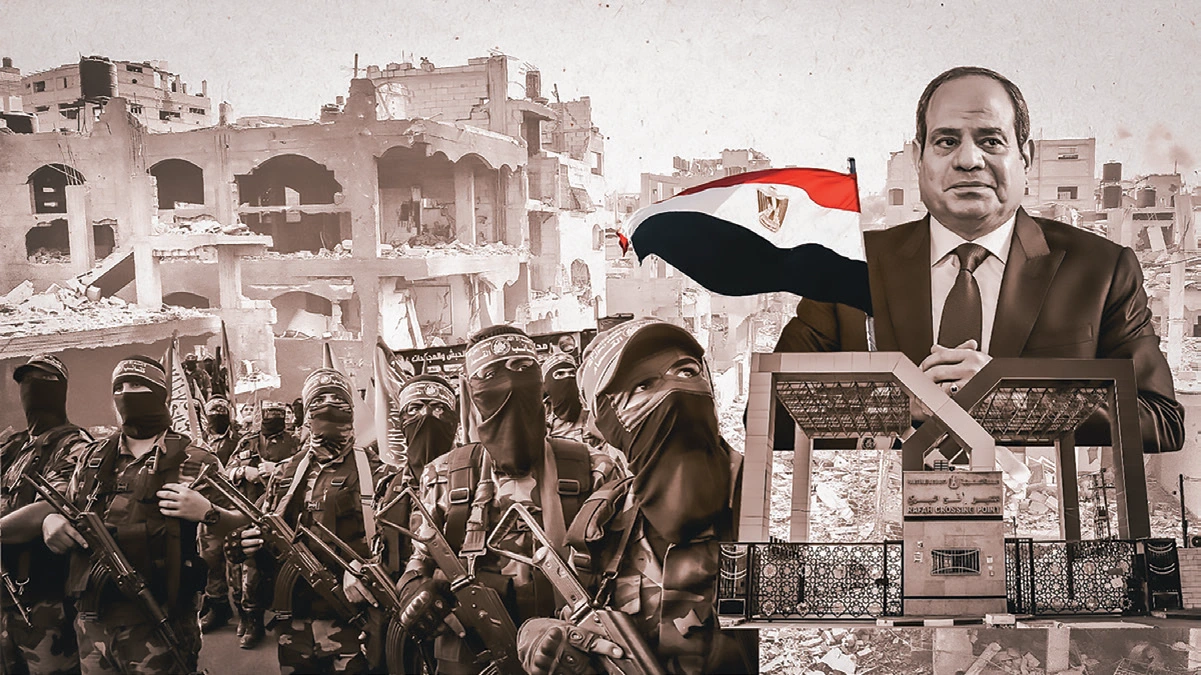
Confronted with the intensifying conflict between Israel and Hamas and the setbacks arising from the disruption of Egyptian-mediated talks, the Egyptian government stands at a critical juncture.

In the ever-shifting tapestry of global affairs, the echoes of conflict often pierce the veneer of our collective consciousness. As we traverse the threshold into the year 2024, the resounding calls for a ceasefire in Gaza beckon us to a moment of contemplation. The Egyptian government, in its recent overture, extends an olive branch amidst the swirling tempest of regional discord. This provokes an exploration of the intricacies of this proposal, sparking interest and hope for a potential resolution to the protracted conflict.
The historical backdrop of the Israel-Gaza conflict serves as a complex tapestry, interwoven with grievances, territorial disputes, and geopolitical interests. An examination of the proposed ceasefire through this lens requires us to unravel the threads of discord that have persisted over time. How have historical events shaped the current landscape, and can the proposed ceasefire address these deeply rooted issues?
Dr. Aleida Guevara’s poignant questions force us to confront the moral dimensions of the conflict. The Egyptian plan, viewed through an ethical prism, becomes a call to transcend political calculations and address the human cost of the ongoing hostilities. By considering the well-being of the affected populations, the ceasefire proposal takes on a significance that extends beyond the realm of geopolitics. The unsettling question raised by Dr. Guevara—“Today it is Gaza. Tomorrow, who will it be?”—becomes a central point of reflection. The Egyptian government’s proposal necessitates a consideration of where the line should be drawn to ensure a lasting peace. Can this ceasefire lay the groundwork for establishing clear boundaries and preventing the recurrence of violence in the future?
In December 2023, Egypt proposed a multi-stage ceasefire plan. According to information from two Egyptian security sources, the initial stage involves a temporary ceasefire lasting one or two weeks. During the first 10-day period, Hamas would release women, children, and elderly individuals held captive. In return, Israel would release an agreed number of Palestinian prisoners in these categories, cease all fighting, move tanks outside populated areas, and permit the delivery of medical and food aid, fuel, and cooking gas. Additionally, the proposal allows for the movement of people back to northern Gaza.
The second stage focuses on Hamas releasing Israeli women soldiers, and Israel, in turn, releasing another group of incarcerated Palestinians. The two parties would also exchange bodies that have been withheld since October 7. The third and final stage, potentially lasting one month and contingent on negotiations, involves the release of all captives in Hamas custody in exchange for an agreed-upon number of Palestinian prisoners. Furthermore, Israel would withdraw tanks from Gaza, and both sides would cease all hostile activities.
Confronted with the intensifying conflict and the setbacks arising from the disruption of Egyptian-mediated talks, the Egyptian government stands at a critical juncture. To navigate these challenges and pave the way for a sustainable resolution, a holistic approach is imperative. Engaging international mediators from neutral parties can inject fresh perspectives into the dialogue between Israel and Hamas. Involving respected mediators without direct stakes in the conflict may foster a renewed atmosphere conducive to consensus. Simultaneously, advocating for the involvement of the United Nations to oversee and guarantee the terms of a potential ceasefire could provide a credible framework for stability.
Simultaneously, prioritizing immediate humanitarian concerns becomes a moral imperative in this delicate context. By focusing on securing agreements for the seamless delivery of essential aid, medical supplies, and assistance to the affected populations in Gaza, the government addresses the pressing needs on the ground. This not only demonstrates a commitment to alleviating human suffering but also lays a critical foundation for rebuilding trust, a crucial element in achieving a lasting resolution.
Proposing incremental confidence-building measures emerges as the next step in this comprehensive strategy. Initiating reciprocal gestures between Israel and Hamas provides a pragmatic approach to fostering trust. Understanding that complex conflicts demand patient and nuanced resolutions, these gradual steps create a positive momentum for more comprehensive negotiations.
Extending the focus, encouraging a broader regional dialogue emerges as a natural progression in the strategy. Involving neighboring countries like Lebanon and Syria recognizes the interconnected nature of geopolitical dynamics. Such an inclusive approach acknowledges that effective solutions often extend beyond immediate focal points and require a holistic understanding of the regional context.
Initiating public diplomacy efforts becomes a key component of this comprehensive strategy. Recognizing the influential role of public sentiment in shaping political outcomes, engaging with the public through various channels fosters understanding and support for peace. This is essential for creating an environment where diplomatic solutions are not only negotiated at the political level but are also embraced by the broader public. Exploring discreet, backchannel diplomatic channels aligns seamlessly with the overall strategy, recognizing the need for less confrontational environments. Off-the-record discussions provide negotiators with a space to explore creative solutions, acknowledging the fluid nature of diplomatic endeavors and allowing for more flexible and innovative approaches to be considered.
Addressing underlying issues contributing to the conflict, such as economic disparities and historical disputes, becomes an imperative part of the comprehensive strategy. A holistic approach to resolving root causes, rather than merely addressing superficial symptoms, is crucial for achieving sustainable peace. This involves a commitment to understanding the nuanced complexities that fuel the conflict and working towards structural changes that address these core issues.
Seeking support from other regional powers, especially those with influence over Hamas, represents a strategic move in the larger diplomatic chessboard. Collaborative efforts with countries like Qatar, leveraging established connections, enhance the effectiveness of mediation. Building coalitions and seeking support from influential regional players can significantly strengthen the diplomatic stance of the Egyptian government.
Emphasizing adherence to international law and humanitarian principles reflects the government’s commitment to reason and moral responsibility. Reinforcing a commitment to established legal frameworks aligns with the vision of a world governed by principled conduct rather than unchecked power. This principled stance enhances the moral standing of the government and also sets a clear expectation for responsible behavior in the international arena.
In navigating these multifaceted challenges, the Egyptian government must weave these recommendations into a coherent and comprehensive strategy. Recognizing that the path to resolution requires a nuanced and integrated approach, the government’s actions should reflect an interconnected and reasoned philosophy, addressing the root causes while navigating the intricacies of the conflict with diplomacy and prudence. ![]()

Salis Malik is a freelance journalist and columnist based in Islamabad. He can be reached on Facebook @salismalik7777
7th Engro LRBT Golf Tournament Drives Success for Vision Restoration
Nestlé inaugurates Solar Power Plant at Sheikhupura Factory
Sadia Rashid honoured by KPC
PRL Unveils Vision for a Sustainable Energy Future
China, Maldives upgrade ties with infrastructure deals
Afghan women detained over ‘improper’ hijab
Pakistani among recipients of Religious Freedom Award
OIC denounces temple opening at Babri Mosque site
Bangladeshi Nobel winner convicted of violating labour laws
Pakistan Launches Three Groundbreaking Initiatives
PTI Senator appointed as CEO of vaccine alliance Gavi
German brand makes strong statement for Palestine
Harvard president to resign over allegations of plagiarism
Indian state stops funding to Muslim religious schools
Saudi Arabia to allow alcohol sales
Muslim world urged to support South Africa in icj
Deepfakes deceive voters in India, Pakistan before elections
Lack of snow sparks worry for drought-hit Afghanistan


Leave a Reply