



 The federal elections in Nepal, set in the spirit of the violent Gen-Z movement, are less than a week away. The traditional political parties and newly formed alternative parties are hustling for their last round of campaigning. In a society with low electoral literacy, last-minute public manipulation greatly influences the overall election outcome. Hence, most candidates are seen exploiting sensitive social issues and prioritizing populist agendas to garner public support. In fact, so far, electoral campaigning has largely focused on public-pleasing agendas and all sorts of flowery promises and commitments by the contestants.
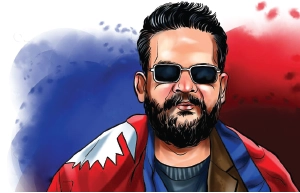
Aspiring contestants from all walks of life have aligned with one or the other political party, irrespective of their principles and objectives. Mayors of certain metropolitan cities and members of the provincial House of Representatives (HoR) have resigned midway in their terms to contest for the federal HoR. Notably, the rapper-turned-Mayor of Kathmandu Metropolitan City, Balendra Sah, has resigned from his post to join the alternative-claiming Rastriya Swatantra Party (RSP) with his entourage. Sah is known as one of the main stakeholders in the Gen-Z movement. Over that, scores of journalists, lawyers, actors, social activists, content creators, players, and people enjoying state facilities have abruptly entered politics as if there were no other profession to serve the country. The emergence and proliferation of alternative-claiming political formations, particularly newer parties such as the RSP, Ujyalo Nepal, and the Shram Sanskriti Party, have enabled the political ambitions of careerist and populist individuals to materialize.
At the beginning, there were speculations that the scheduled election might not be held on March 5. Some high-ranking political leaders, including the ousted Prime Minister (PM) KP Sharma Oli, were imposed a travel ban. In addition, there was a fear that the cadres of traditional political parties and the supporters of Gen-Z might violently confront each other on the streets. Additionally, multiple writ petitions are pending before the Supreme Court (SC) seeking a judicial clarification on the legality of the present government and the dissolution of the HoR.
It is obvious that the current Nepalese government was formed extra-constitutionally through a soft coup d’état, and the subsequent dissolution of the HoR was also unconstitutional. However, the SC is reluctant to entertain such writ petitions on time. It appears the SC has delayed its verdict amid concerns about potential hostile reactions from Gen-Z supporters, particularly because a definitive ruling would entail the reinstatement of the HoR. Only a few days remain for the scheduled elections, and the SC verdict on the legality of these issues will likely be delivered after the elections. On a personal level, judges are, after all, human actors, and the psychological impact of the arson attack on the SC building may continue to affect them. This episode appears to illustrate a troubling instance in which mob pressure overshadows established legal procedures, setting a perplexing precedent for Nepal’s future.


Based in Germany, the writer is a senior scientist and independent opinion maker. He regularly contributes political commentaries and analyses on current affairs to leading English dailies published from Nepal. He can be reached at pushpa.joshi@gmail.com
Leave a Reply