




Future of South Asia
This is regarding the cover story that appeared in the May 2025 edition of SouthAsia Magazine. The future of South Asia remains uncertain following the recent war between Pakistan and India, two nuclear-armed nations with a history of tense relations. This conflict has deepened regional instability, undermining any progress made toward economic cooperation and the peaceful resolution of longstanding disputes, particularly over Kashmir. South Asia’s future hinges on both nations› ability to engage in sustained dialogue, foster economic interdependence, and address humanitarian concerns. However, the presence of nuclear weapons complicates any resolution, making diplomatic efforts crucial to prevent further escalation. Regional stability will depend on South Asia’s commitment to peace-building, effective governance, and inclusive growth. Without these efforts, the region risks being trapped in cycles of conflict and insecurity.
Aftab Ahmed,
Gujranwala, Pakistan.
Pakistan-Bangladesh Relations
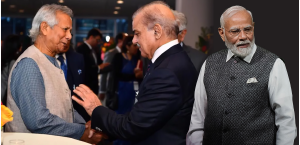 It’s refreshing to see the SouthAsia Magazine now being publisized on both digital and offline channels. I read the magazine regularly. This time, however, I am happy to learn your interest in our friends and brothers in Bangladesh. I wish them well and always pray for them and for their stability and prosperity.
I hope and pray that the people of Bangladesh have a good, stable government as they now have an able and honest leader such as Muhammad Younus, who is governing the country extremely well. We wish him success, good health, and long life. I hope Bangladesh and Pakistan become closer than before and cooperate in all matters of mutual interest.
Abdul Kader Jaffer,
Karachi
Hats Off to Pakistan Forces
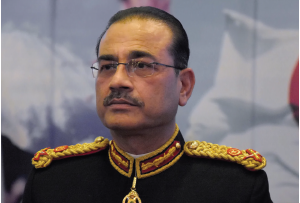 Let me express a genuine fact through your magazine. As overseas residents from Pakistan, we are very thankful to India for positioning Pakistan as a proud nation globally. As overseas Pakistanis, we feel very honored and proud among our fellow Indians here since the Pakistan Army, Pakistan Navy, and Pakistan Air Force performed remarkably enough to expose India’s so-called military might. Hats off and salute to our beloved country, Pakistan. Currently based in Oman, I feel proud in front of so many senior Indian professionals in the corporate sector who are ruining their businesses in Oman. They feel ashamed of what their country is doing. Even Indians living in Dubai and other Gulf regions feel the same embarrassment and humiliation.
Kamran Gilani,
Muscat, Oman
U.S. Tariff Policies
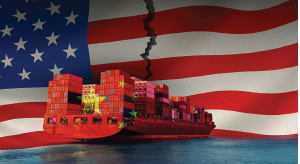 The U.S. Donald Trump’s tariff policies, particularly those targeting China, aimed to reduce the U.S. trade deficit and encourage domestic manufacturing. By imposing tariffs on billions of dollars’ worth of Chinese goods, Trump sought to pressure China into addressing intellectual property theft, forced technology transfers, and other trade practices deemed unfair. His administration argued that these tariffs would bring jobs back to the U.S. and re-establish American economic dominance. Regarding immediate outcomes, the tariffs reshuffled global supply chains, with certain manufacturing moving from China to other countries or back to the U.S. However, the policies also increased costs for U.S. consumers and businesses, as tariffs raised prices on imported goods. Additionally, the trade war contributed to tensions in global markets, creating uncertainty for international companies. While some industries benefited from the tariffs, such as steel and aluminum, the overall long-term impact on the U.S. economy remains mixed.
Richard Haney,
Vancouver, Canada
Plight of Indian Democracy
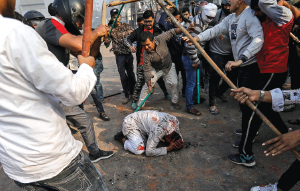 India’s shift towards a ‘new normal’ of perpetual conflict, particularly with its neighbors like Pakistan and China, poses a significant threat to its democratic fabric. The prolonged militarization of society, fueled by frequent border skirmishes and tensions, risks eroding the principles of pluralism, secularism, and civil rights that are foundational to India’s democracy. The government‘s focus on national security, while legitimate, has often been used to justify curtailing freedoms, limiting press independence, and suppressing dissent, as seen in regions like Kashmir. As security concerns dominate the political discourse, the space for democratic debate shrinks, and policies become more centered on militaristic nationalism rather than inclusive governance. Focusing on ‘security-first’ might lead to authoritarian tendencies, weakening democratic institutions. Moreover, the constant state of alert and conflict could divert attention from addressing critical issues like poverty, inequality, and education, ultimately undermining India’s democratic potential and stability in the long term.
S.K. Anand,
Mumbai, India.
Gaza is Starving
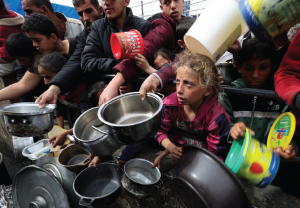 Gaza is on the brink of famine due to a combination of ongoing conflict, blockades, and economic collapse. The region’s agricultural sector has been severely damaged by airstrikes and land destruction, reducing the availability of food. The blockade imposed by Israel has restricted the flow of essential goods, including food, medicine, and building materials, exacerbating shortages. Additionally, limited access to water and electricity, coupled with a crippled health infrastructure, has created a dire situation for Gaza’s population. A growing reliance on international aid and a lack of access to basic resources have left Gaza vulnerable, with many residents facing malnutrition and starvation unless immediate intervention occurs.
Lubna Ashraf,
Karachi, Pakistan.
End of the Russia-Ukraine War
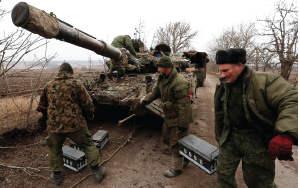 As of now, Russia’s war with Ukraine shows no apparent signs of ending soon. While there have been intermittent peace talks and calls for diplomacy, the conflict remains entrenched. Russia’s military advances have stalled in many areas, but its forces continue to occupy significant parts of Ukraine’s eastern and southern territories. Supported by Western military aid, Ukraine has mounted resilient counteroffensives, regaining some ground but facing heavy losses. The war’s continuation is primarily influenced by both sides› unwillingness to compromise on key territorial and political issues. Ukraine’s insistence on reclaiming all its territory, including Crimea, clashes with Russia’s determination to retain control over these regions. International pressure, including sanctions on Russia and support for Ukraine, has intensified, but a negotiated settlement seems distant. The war will likely persist until one side achieves a decisive military victory or both parties agree to a ceasefire.
Alina Erwin,
Berlin, Germany.