



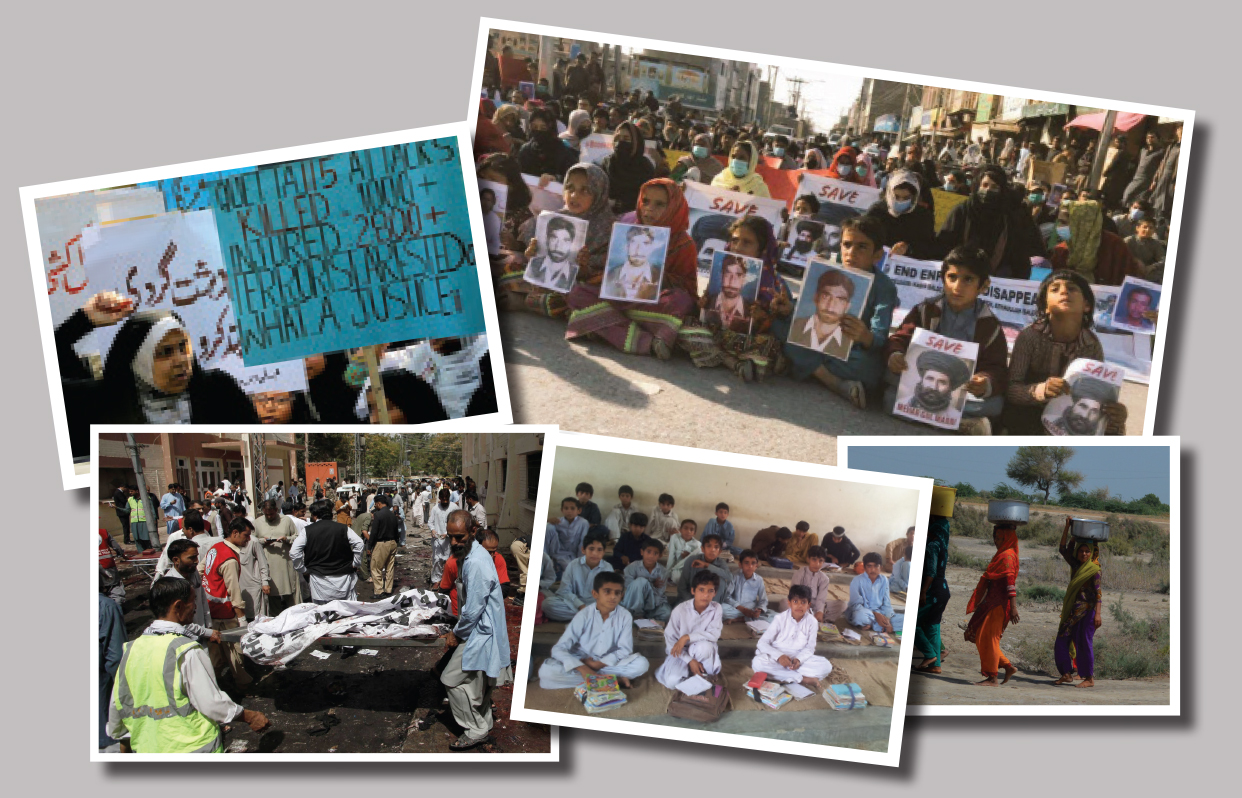
The largest, least populated, strategically significant and resource-rich province of Balochistan is not economically and politically stable to deal with the multiple challenges it faces. The law and order situation in the province is deteriorating at an alarming pace. A prolonged insurgency encompasses ethnic, militant, sectarian and secessionist violence and the province does not find a place in the mainstream national discourse.
The condition is further aggravated by the involvement of foreign entities with their own sets of political and economic objectives in the mineral-rich province. The situation demands immediate action and operational policies to help the province regain its stability. Unfortunately, it is constantly neglected by the policymakers and mainstream media. Considering its distressing circumstances, it is not getting the attention it deserves. The Pakistan government has no organized and serious strategy to deal with the multifaceted problems in a province that comprises almost half of its territory, and is home to Pathans, Balochs, Brahuis, Hazaras and many other ethnicities.
Insurgency in Balochistan has always challenged government and military control. The insurgents are simply interested in exploitation of its resources. The history of rebellion dates back to the creation of Pakistan, when Kalat declared independence in 1948, though later it acceded to Pakistan. This conflict was preceded by numerous disputes between the Balochistan inhabitants and the Government of Pakistan.
There are various dimensions to the conflict that led to the insurgency in Balochistan. Grievances include the issue of autonomy, lack of representation in politics and military, socio-economic rights, unemployment, resources distribution, human rights abuses, missing people cases, etc. Infrastructure issues include the development of Gwadar Port and the province’s exclusion from construction; hence CPEC has become the target of insurgent attacks. The establishment of new military cantonments in the province is another concern.
As Balochistan is an economically and politically neglected area, its vulnerability along with critically important crossroads has paved the way for foreign involvement. For the past few decades, it has become an international stage where foreign powers want hegemony to achieve self-driven agendas.
Pakistan has at times brought the issue of foreign interference in Balochistan to the global level. Nonetheless, it’s an arduous task to provide evidence of another state supporting insurgency in an opponent country. China’s ambitions are evident as it has geo-economic and geo-strategic interests in Pakistan; it wants the mega project of CPEC to succeed but is also highly concerned regarding the security of Chinese nationals and the opposition against the project, especially by India and the West.
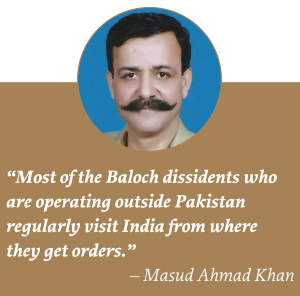 India’s involvement in espionage activities is pretty daunting and has created serious repercussions for the economic prosperity and national security of Pakistan. Balochistan serves as a significant counterweight for India to distract the international community from the atrocities committed in Kashmir (IOK) and to destabilise Pakistan. Multiple incidents have shown India’s support to the separatist elements in the province and links with the Tehreek-e-Taliban Pakistan (TTP).

Leave a Reply