



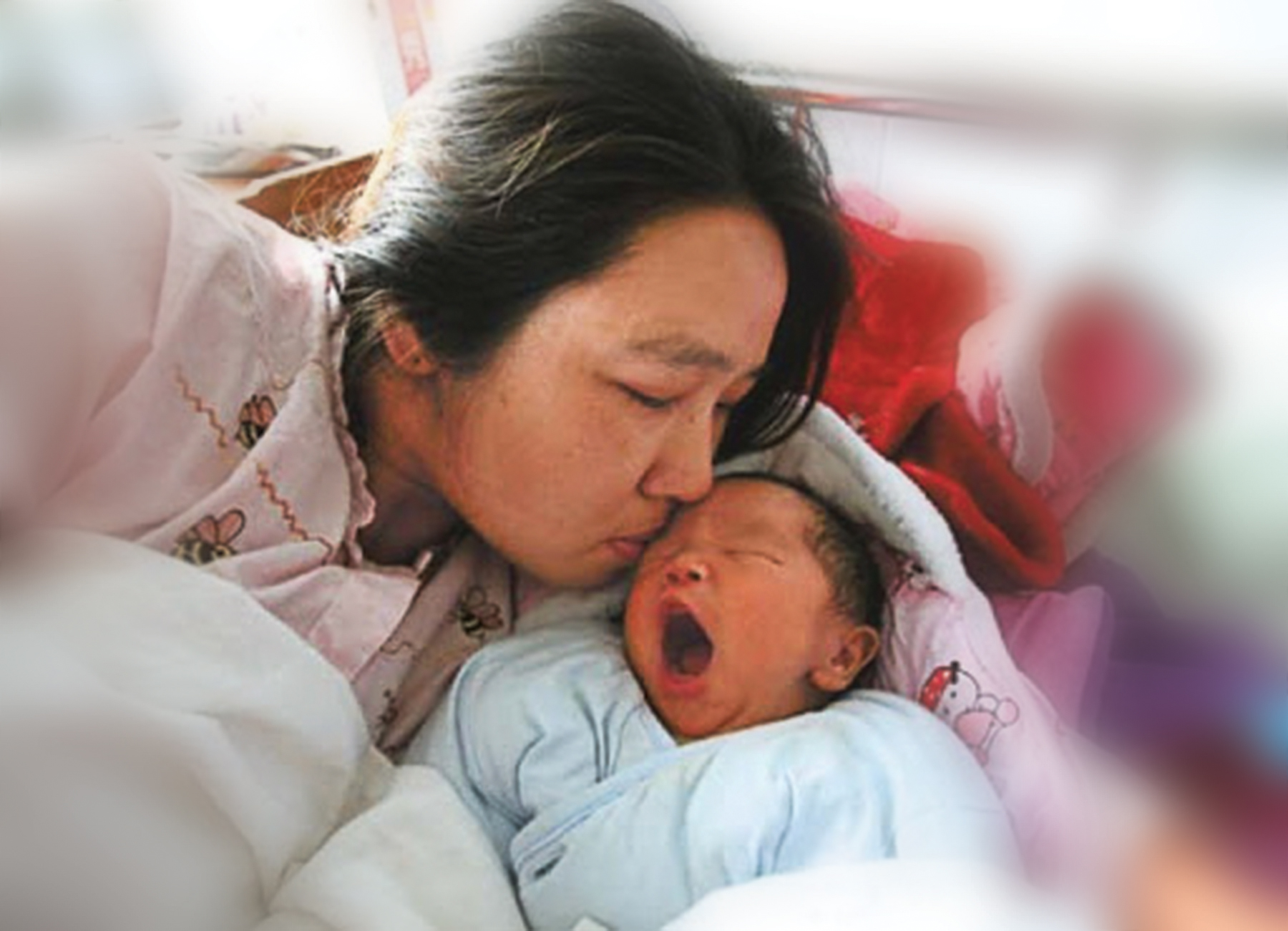
 Women in China have faced a miserable existence due to the prevalent patriarchy which has been exemplified under the post-World War II Communist state. Beijing has used women’s bodies as a source of perceived economic wellbeing, which is evident from the leadership diktats of Mao Zedong, Deng Xiaoping and current leader Xi Jinping.
Founder, Mao believed having a bigger population would aid in making China prosperous and favoured high birth rates. Deng, however, implemented the one-child policy which faced obstacles – particularly in rural regions. As a result, certain relaxations were made. Nevertheless, there was intense intrusion of the state in making sure that women all over the People’s Republic followed the measures without question.
Under the current leader Xi, in 2016 the one-child policy was replaced with that of two children per family. At that time, the fertility rate was 1.8, whereby a population target was set for 2020. Last year’s statistics showed a decreased fertility rate of 1.3, thus alarming the leaders who announced a three-child policy for families in late May of 2021. The Wall Street Journal quoting Xinhua News Agency, said that the change would “improve the country’s population structure, actively implement the national strategy to respond to the aging population and maintain the country’s demographic advantage.”
Women in China do count as individuals? Do they not have feelings, aspirations, ambitions and the right to decide what to do in life?
According to newspaper reports and Chinese social media postings, urban dwellers in the country are left aghast at this development. With men seeking their wives to be both well-maintained and holding jobs, along with managing the household, couples are already forced to take care of their child and their aging grandparents. With the new family size regime, the already strained situation will be stretched to the seams.
As in the past, Beijing is calibrating this policy via ‘incentives’ to meet its end goal. According to a Global Times editorial, “Population policy is long-term and future-oriented. China is good at adjusting its policy to solve different problems and make continuous progress. When we are getting better and better, the future will belong to this country and the Chinese nation.”
One such calibrated response is the crackdown on online tutoring. According to a Reuters report, the new measure may decrease the cost to raise children but not make couples to happily opt to have more children.
Given this background, can the country’s women feel they have freedom of choice to live as a person? With right to education being curtailed and family size being out of their own control, will there not be dissent?


The writer is a freelance journalist based in Islamabad and a former Dawn and Times of Oman staffer. He can be reached at akhtarns@gmail.com
Leave a Reply