



 Tanay Agarwal, a resident of Mumbai, never thought the profound stories he heard as a school child - of partition, of separated families, of displacement - would stay longer than expected with him. Surprisingly, they enhanced his interest in the colonial history of the subcontinent and also augmented his knowledge on geopolitics of the region, which he voraciously gleaned from the books written on the subject and through conversations with his erudite grandfather. Indo-Pak Book Lover Club - a peace initiative - which he founded last year, is an incredible summation of his penchant for reading and passion for bringing bibliophiles from both India and Pakistan together on a single platform.
It all started when he came across a post on Facebook by a Pakistani, looking for Bhagwat Gita in English; his search for the sacred book served as the ice-breaker between the two. “I helped him find one and we later became friends,” says Tanay, describing how the growing bonhomie kindled the idea to create a space to be shared by booklovers from both sides. During last year’s lockdown, Tanay realised how books help one beat the pandemic blues and formally started his Club on Facebook; an endeavour supported by a few like-minded people who are the core members. It has taken him months to project the Club on social media and see the number of followers gradually swell.
 “This platform is purely to satiate one’s love for reading books on different genres, with certainly no room for politics or any topic that can instigate nasty discussions.” Tanay feels it is necessary to mark out rules considering how things can take an unpleasant turn when certain issues crop up between people from both the countries. Treading carefully, skirting the controversial matters - even some authors- he states how a discussion planned on Salman Rushdie some time ago invited disapproval of some members; sensing discontentment, he eventually decided to review the decision to ensure harmony prevails among the group members. The same level of cautiousness and farsightedness is needed while curating comments on the Facebook page of the Club as any offensive remark can set forth unwanted political outbursts from either side.
A few months short of completing a year of reading and reaching out to people from Pakistan, Tanay’s says, “I don’t know about the future but so far I have not faced any problems.” He smiles hoping he continues the journey -“the two-prong approach to promote the reading habit as well as peace between India and Pakistan,” equipped with just books in his quiver.
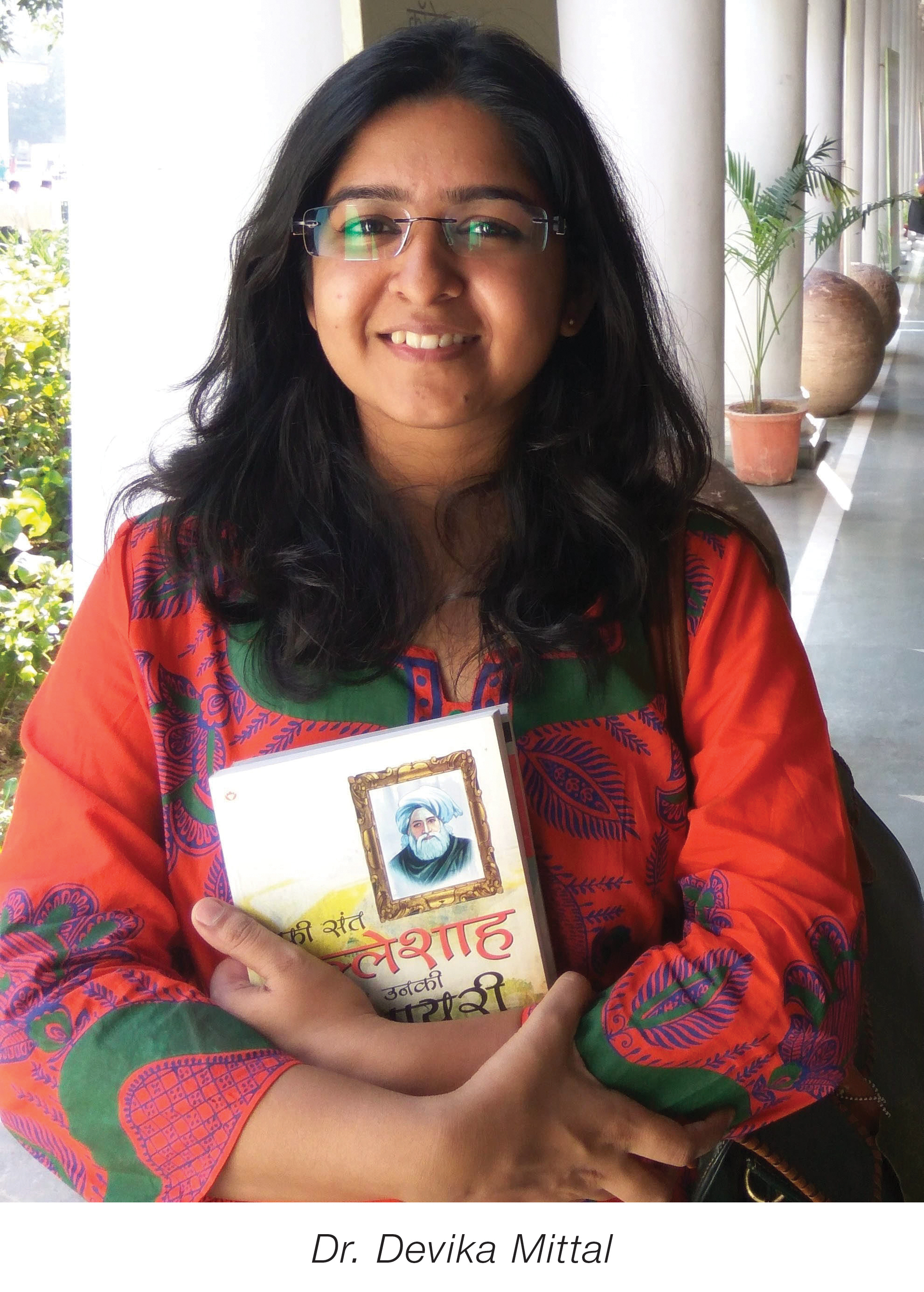
 Efforts to take up a peace route via books and literary means has also been embraced by Aaghaz-e-Dosti, an NGO operating from New Delhi in tandem with a couple of sister NGOs from Pakistan. Of the various projects they have taken up so far, Dr Devika Mittal, convenor of the NGO, says the virtual session “Indo-Pak Classroom Connect” opened doors for students for a healthy exchange of dialogue over issues relating to culture, language and common day to day affairs.
“We encouraged conversations which set forth positive and friendly vibes among the young children as we wish to lessen the hostility on both sides,” says Devika, adding that they advise students to speak Hindi or Urdu as it gives a tremendous boost to warmth and also works magically to relax attitudes. “When they find out about the numerous similarities between the languages and other cultural customs, they connect with each other beautifully,” she says with a smile.
Founded in 2012 under the aegis of Mission Bhartiyam, the NGO has carried out several collaborative activities for schoolchildren. Devika recalls the exhilarating response they received from schoolchildren when they conducted a letter writing programme a few years ago. The letters, an open expression of love and goodwill, written by Indo-Pak children were later exhibited in Faiz Ghar, Lahore. To ensure continuation of the pleasant vibes, more programmes on these lines were organized, like exchanging greeting cards on the occasion of Independence Day of both the countries, along with sending books and conducting sessions on Indian and Pakistani authors to enhance children’s curiosity about the literary diversity in both countries.
The Covid pandemic has paused activities. However, as soon as the situation gets back to normal, regular programmes like the joint venture of publishing an Indo-Pak calendar consisting of selected paintings done by schoolchildren and “Aman Chopal” (Peace gathering) - an interactive session for high school students - are likely to be resumed.
The well thought endeavours act as a balm on the wounds of hatred inflicted on innocent minds over years of diplomatic rifts and regional hostility. “ ‘Aaghaz-e-Dosti’ means beginning of friendship,” says Devika, who also teaches as an assistant professor at Delhi University. She and her fellow members are on the path of peace sans any weapon, armed only with books. 

The author is a freelance writer based in Bangalore. She can be reached at shazmanshariff@gmail.com
Wow!! Such a thoughtful and great initiative.
I hope this initiative get lots of success and bring peace and harmony between both the countries.
God bless you!