




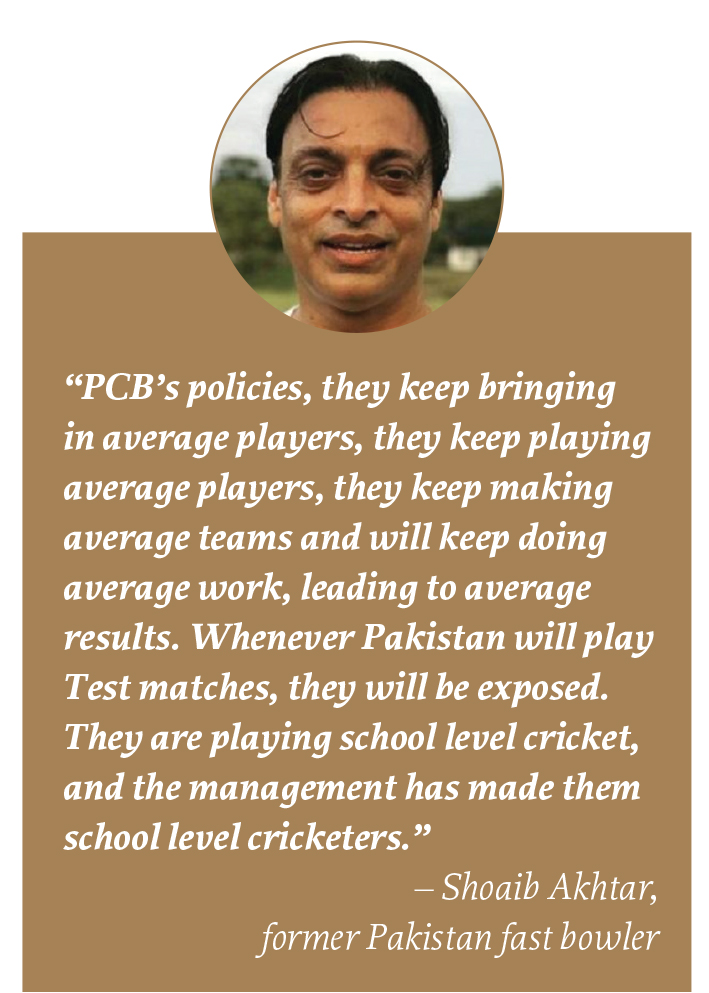
The Pakistan Cricket Board (PCB) is in the grip of an image crisis that has assailed its credibility as a sports-governing body. Skeptics have been quick to demonise the Board over its inability to revive the glory of the proverbial gentleman’s game. A few analysts have gone to exaggerated extremes to prove their point. Many of them have even viewed the PCB as a microcosm of Pakistan’s bureaucratic political culture where nepotism remains the order of the day.
Faced with mounting criticism over its policy initiatives, the PCB needs to recalibrate its vision and strategic goals in order to facilitate the resurgence of cricket in Pakistan.
As a sports-governing entity, the PCB not only manages the matches and tours of the national cricket team, but also takes disciplinary action against players who have breached the accepted code of conduct. In addition, the Board is expected to represent the national teams that participate in international cricket tournaments. As a consequence, the PCB has an important mandate to fulfil on both a national and global scale to ensure that Pakistan’s cricket team acts within professional and ethical parameters.
At this stage, the PCB has received considerable flak for its ostensibly weak leadership. The Board’s detractors have argued that successive managements have merely sought to preserve their own jobs and have failed to take concrete steps to alter the direction of cricket in Pakistan. The PCB selection committee has been accused of succumbing to unwarranted pressure from seasoned players and elbowing away new talent. While the committee has incorporated younger players into the team, many of these players still remain largely underutilized on the pitch. A trenchant blog post published in the Express Tribune states that the brief stints of Mohammad Rizwan, Awais Zia, Haris Sohail, Hammad Azam and Shakeel Ansar reveal how ‘young blood’ has been restrained from exhibiting its cricketing prowess.
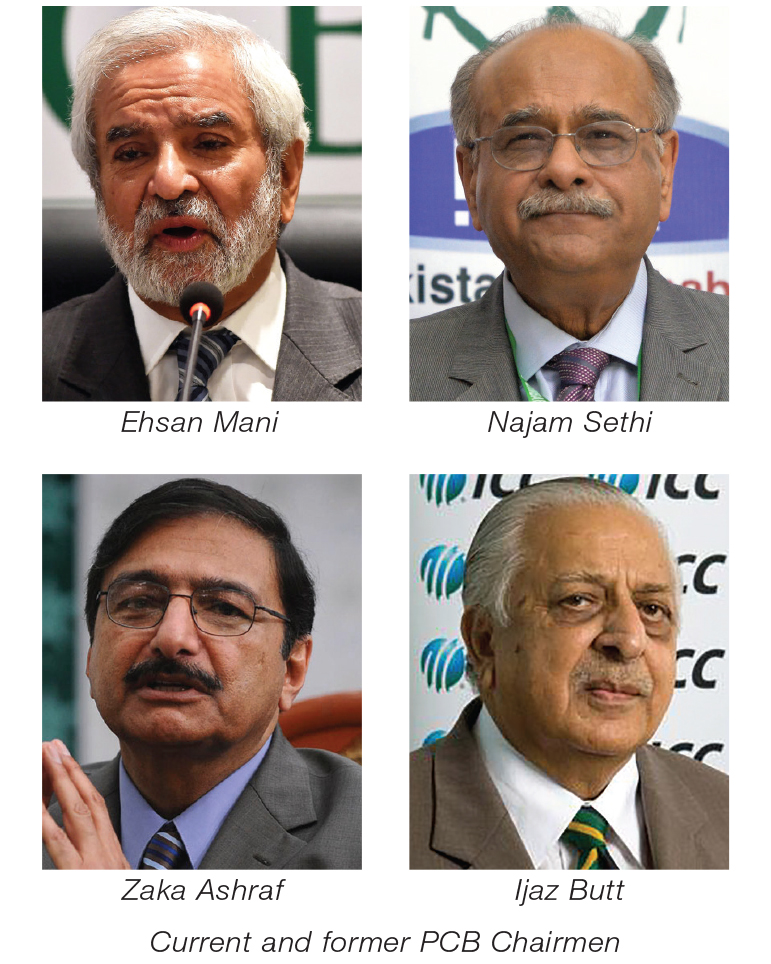
 The Board has also fallen prey to a slew of policy shifts that have adversely impacted the performance of the team. At times, these policy changes have been steered by pressure from players and has significantly compromised the PCB’s disciplinary function. In 2010, the sports-governing institution enigmatically took back its decision to ban a few players from the cricket team and impose fines on them following disciplinary concerns during a tour to Australia 2010. A few policy changes have been fuelled by shifts in the management of the PCB and have long-term implications on the fate of cricket in the country. For instance, the decision taken during Ijaz Butt’s tenure in 2008 to sack the team’s foreign coach was reversed under a separate management led by Zaka Ashraf in 2012. The PCB needs to recognize the impact of these ever-changing policies and cultivate a sustainable framework that doesn’t paralyze the progress made by the team.

The writer is a journalist and author. He analyses international issues and can be reached at tahakehar2@gmail.com |
|
Cover Story
|
|
News Buzz
|
Update |
Leave a Reply