The price of gold is sky-rocketing around the world but the metal
continues to make and mar marriages in Pakistan, come hell or high water.
ByKhawaja Amer | September 2020
For brides in Pakistan, a common practice on the marriage day is to wear heavily embroidered and very traditional rich red or dark purple clothes, accompanied by gold jewellery. The prices of bridal dresses range, if bought from a known designer, between Rs. 3 and 5 million while in Jama Cloth Market and similar places across the country, the prices are Rs.20,000 or even less -- very much within the reach of even a lower middle class family.
The gold rate is announced by the Karachi bullion market on a daily basis and it is binding on every goldsmith, irrespective of the location of his shop, to sell gold jewellery at this rate. As such, the ever rising gold price is hitting marital customs a bit too hard because in Pakistani culture, no gold means no wedding. The yellow metal has been an integral part of creating healthy links through weddings. This is indeed not only shocking but disgusting. Tradition demands that families buy several tolas of gold for their daughter’s wedding, and these days, with the gold price touching new heights, even those with average salaries of around Rs.150,000 a month are finding the prices way beyond their means.
Gold is a status symbol in Pakistan, where the bridal ensemble is incomplete without enough, if not excessive, 22 karat gold accessories, which include numerous rings, earrings and bangles, jhoomar and necklaces. Shortly before the wedding, the proud parents display the wedding jewellery to guests. After the rukhsati (leaving her parents’ home), the bride enters her husband’s house adorned with gold, which is not provided for decorative purposes only but to establish the girl’s status and her family background. It is also seen as an investment in the new family’s future. Usually, it is the bride’s family that purchases most of the gold which is considered as a much more reliable asset than real estate or cash and, in fact, it guarantees the bride’s future happy stay with her in-laws.
Now middle class families, which manage to save up to Rs.500,000 by contributing to ‘Committees,’ are finding it difficult to buy gold for their daughters’ marriages. The “committee” system has existed for quite some time. In the system, funds are pooled on a monthly basis and this creates a savings amount. This helps those who make a monthly contribution to receive an interest-free lumpsum which can be used for a variety of purposes. Shopkeepers in markets of various sizes also follow this system to create interest-free money.
In today’s times, artificial jewellery is becoming very popular in Pakistan though it is not acceptable to the parents of the groom, especially the mother. The old ladies in the family of the potential in-laws can easily verify the purity of the gold ornaments that the bride brings with her. The weight of gold is important and any misstatement on part of the bride’s family can be a cause of embarrassment.
In Pakistani culture it is customary to give at least 10 tolas of gold in a marriage to satisfy the in-laws. The custom trickles down from the rich to the middle and all the way down to the poor classes, covering 98 per cent of the population. Despite knowing the fact that this leaves the bride’s family neck-deep in loans, there is no ‘let go’ because ‘What will everyone say?”
Over 95 per cent of marriages in every region of Pakistan involve transfer of dowry, specially gold, from the bride’s family to the groom’s family. Those parents who fail to give gold to their children suffer the harsh consequences. According to a report, dowry deaths have been rising in Pakistan for decades. Dowry-related violence and deaths have been widespread since Pakistan became an independent nation. At over 2,000 dowry-related deaths per year and the annual rate exceeding at 2.45 deaths per 100,000 women from dowry-related violence, Pakistan has the highest reported number of dowry death rates per 100,000 women in the world.
Various military and democratically elected civil governments in Pakistan have tried to outlaw traditional display of dowry but have failed. Since this is an integral part of Pakistani culture, the bride’s family just cannot afford to defy the age-old custom. The disgusting tradition can only be stopped if the younger male generation can be brought to revolt against their elders if the latter insist on demanding dowry in marriage. On the other hand, girls can also start refusing to marry a person demanding dowry. With around a 75 per cent literacy rate (the highest in Pakistan), Karachi can take the lead and start a ‘No to Dowry’ campaign as a part of the ‘Mera Jism Meri Marzi’ claim.
The idea for an Aurat March began when a few women gathered in a park in Karachi on the International Women’s Day and decided to mobilize their networks to end violence and harassment against women. It has since evolved into a wider movement, including transgenders, demanding better laws to protect women and enforcement of existing laws, as well as raising awareness and changing attitudes. The forum can definitely play an important role in rooting out the evil practice of dowry. However, this cannot be done only through laws, some of which have been in place for long. Public awareness is important to bring about the desired change.
An important role must be played by the women themselves as they are at the receiving end. If the real meaning of ‘Mera Jism Meri Marzi’ boils down to not being pushed or forced, then ‘No to dowry’ should be high on their agenda.




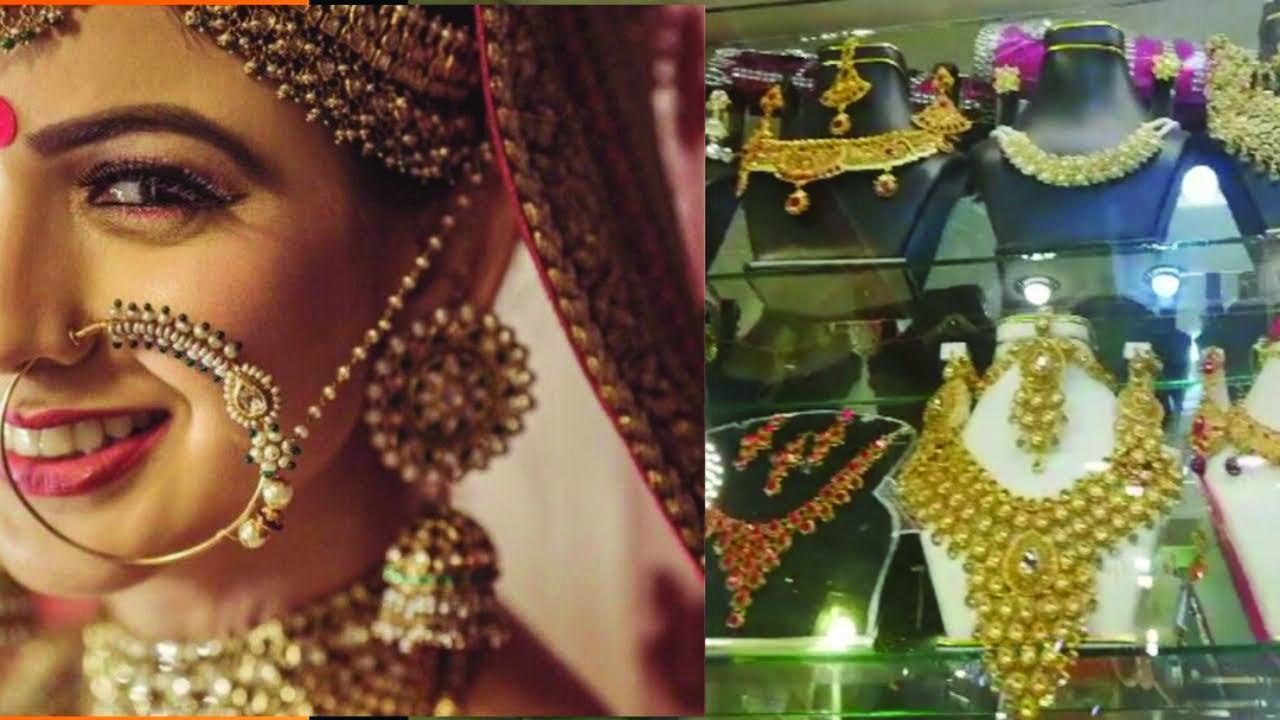 For brides in Pakistan, a common practice on the marriage day is to wear heavily embroidered and very traditional rich red or dark purple clothes, accompanied by gold jewellery. The prices of bridal dresses range, if bought from a known designer, between Rs. 3 and 5 million while in Jama Cloth Market and similar places across the country, the prices are Rs.20,000 or even less -- very much within the reach of even a lower middle class family.

Leave a Reply