



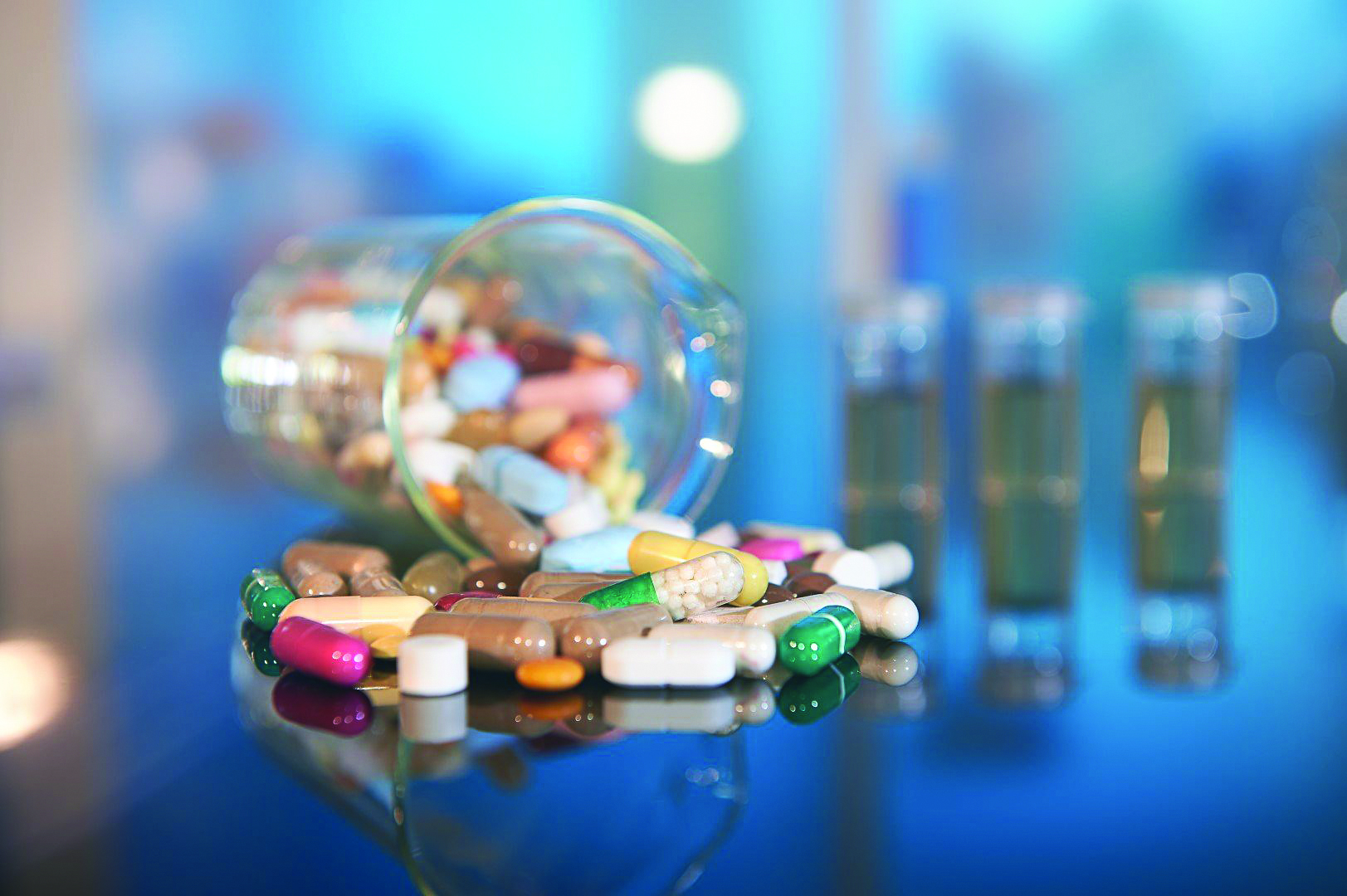
 Is it merely the coronavirus that is said to have first emerged from a market in Wuhan in China in 2019? It has since hit the entire world, crippling giant economies including America and other European countries. Many factors can be traced which have equally impacted the economic, social and political order in the world. The post-pandemic world has found itself in a quandary, as the pre-pandemic world remained chained by an interdependent pharmaceutical environment. Dependence on global pharmaceutical exporters for raw material — China and India being the giant exporters — along with the pandemic, has deepened the crisis faced by healthcare facilities across the world.
For instance, during the current pandemic, India and China curtailed the export of raw materials, scientifically called active pharmaceutical ingredients (APIs). To get relief from body ache and fever, it is Paracetamol (API for Corcin) that relieves us. Ironically, APIs are the most relied upon taw materials, given the non-availability of medicines to treat COVID-19 efficaciously!
 Ripple Effect
With relations between China and India flaring up and China’s decision to stop export of APIs to cope with the growing crisis caused by the pandemic, India has started to indentify 38 basic APIs which will be manufactured locally in the face of growing cases of COVID-19 in the country. However, in the triangular pharmaceutical relationship between India, Pakistan and China, reliance of Pakistan’s pharmaceutical industry for raw materials has been solely on export of APIs from both China and India. Of total imports of raw materials (95%), India retains 50%. China, on the other hand, exports a bigger chunk of APIs to Pakistan.
In contrast to its imports, Pakistan exports medicines to Jordan (80%) and to African countries. Currently, the pharmaceutical industry in Pakistan comprises almost 700 licensed pharmaceutical units. Unfortunately, none of these units is approved by the American Food and Drug Administration (FDA,) except one pharmaceutical manufacturer which holds a Good Manufacturing Practice (GMP) certificate. This creates a big dent and there is a debate about Pakistan’s own capacity to manufacture raw materials, given the fact that the industry cannot rely merely on the local market. The current annual sales of Pakistan’s pharmaceutical industry stand at USD 3.1 Billion, which is comparatively much lower than India exports pharmaceuticals worth USD 18 billion.


The writer is an independent journalist and researcher. He tweets at @Iconoclat_jurn |
|
Cover Story
|
|
Tribute
|
|
News Buzz
|
Update |
Leave a Reply