



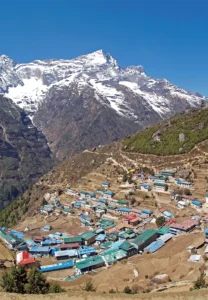
 The concept of opening the Namche Langa border between Namche Bazaar and Langtang is under discussion, focusing on understanding the potential consequences of such a decision. Namche Bazaar, situated at an elevation of 3,440 meters, serves as a bustling gateway to Everest, a vital trade hub, and a critical acclimatization point for trekkers.
In contrast, Langtang, nestled within the Langtang National Park, offers diverse landscapes and cultural richness across various altitudes. It is imperative to thoroughly assess the potential outcomes before making definitive decisions. The possibility of opening the Namche Langa border is being seriously considered, driven by environmental concerns. The anticipated increase in human activity raises apprehensions about deforestation, carbon emissions, and species extinction risk. The growth of tourism and infrastructure development could worsen ecological challenges.
Consequently, it is crucial to adopt sustainable practices to mitigate the potential impact of these outcomes. Strategic issues, including Nepal’s careful navigating of diplomatic ties, are equally important. To take advantage of the border opening without jeopardizing regional stability, it is essential to maintain a cautious equilibrium in relations with China and India. To guarantee border security and tackle possible issues like illegal trade, human trafficking, and security concerns, Nepal, China, India, and Pakistan must work together. Strict security measures are necessary.
Namche Langa and its captivating natural environment hold significant tourism potential. With careful planning, opening the border could turn it into a magnet for adventure seekers, culture enthusiasts, and nature lovers. This influx of visitors can potentially boost the local and national economies. However, it is crucial to approach this development cautiously to prevent any adverse impact on the region’s unique history and culture. A vital aspect of this endeavor is considering how it will affect the local community. While increased trade and job opportunities are potential benefits, there are concerns about the possible displacement of residents and the potential erosion of their distinct cultural identity due to new infrastructure. A fair balance requires involving the local population in decision-making, ensuring their rights and interests are protected.
Those making decisions in this process must thoroughly evaluate the situation, considering the possible pros and cons of economic impact, cultural preservation, diplomatic relations, and environmental concerns. The decision to open the Namche Langa border might be viewed as a diplomatic move, highlighting Nepal’s dedication to regional cooperation. Finding a careful balance that considers the needs of all involved parties is crucial, mainly when dealing with concerns related to national security. They should carefully weigh the potential upsides and downsides across the situation’s economic, cultural, diplomatic, and environmental aspects. As a diplomatic move, Nepal’s commitment to regional cooperation might be shown by opening the Namche Langa border. Finding a middle ground that satisfies everyone involved calls for finesse, particularly regarding national security matters.
From an economic perspective, the opening of the Namche Langa border could unlock new avenues for trade and commerce, given the region’s strategic location. Positioned as a potential trade hub, the move could facilitate economic growth for Nepal and neighboring areas. Increased cross-border trade can stimulate business activities, fostering a more robust and diversified economy.
The envisioned trans-Himalayan trade route promises substantial economic benefits for Nepal, positioning the nation favorably for increased foreign investments. Improved trade routes facilitated by Namche Langa could elevate Nepal’s position as a strategic transit hub between China and India. This heightened connectivity holds the promise of increased trade volume and positions Nepal favorably to attract foreign investments, particularly in sectors like transportation and hospitality. The resulting economic growth would benefit Nepal and contribute to regional development.


The writer is a freelance contributor. She can be reached at gulnaznawaz1551@gmail.com
Leave a Reply