


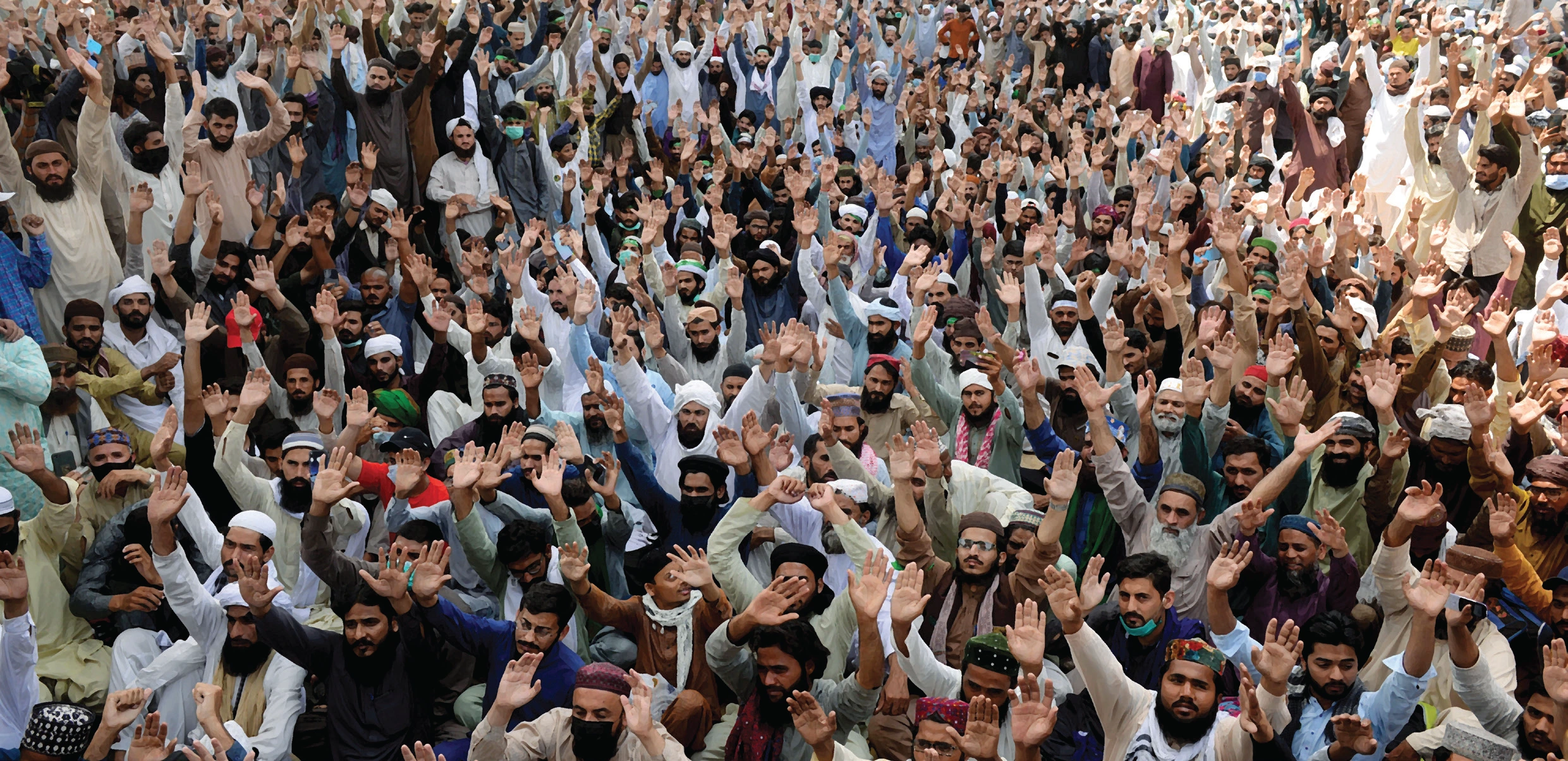
Seventy-five years have passed since Pakistan gained independence, yet the Pakistani nation finds itself yearning for a transformative figure, a Messiah, to lead it towards prosperity and unity. Despite numerous political upheavals, shifts in power, and promises of change, Pakistan remains searching for a leader capable of battling its challenges and guiding it towards a brighter future.
Today, among the nations of the world, Pakistan with its rich resources, diverse landscape, and an enterprising and aspiring blend of population with different cultures, stands as a unique country, as amidst all these blessings, the question looms large: Does Pakistan possess a visionary leader akin to Mao Zedong or Quaid-e-Azam? Mao Zedong and Quaid-e-Azam epitomize visionary leadership in their respective contexts.
Mao, the founding father of the People’s Republic of China, led the nation through tumultuous times, orchestrating revolutionary changes that shaped China’s modern trajectory. Similarly, Quaid-e-Azam, the founding father of Pakistan, steered the complex currents of colonialism and communalism, carving out a homeland for Muslims in the Indian subcontinent. Both leaders possessed a rare combination of foresight, and their leadership was above personal ambition, focusing instead on their people’s collective welfare and empowerment. In contemporary Pakistan, the quest for visionary leadership persists amidst political turbulence, socio-economic challenges, and institutional complexities.
The absence of a singular figure akin to Mao or Jinnah does not imply a dearth of leadership potential within Pakistan. Instead, it underscores the need for a collective reimagining of leadership paradigms that prioritize competence, integrity, and inclusivity over charisma or dynastic affiliations. However, throughout its 75-year history, Pakistan has faced challenges in finding a leader who can uplift the nation economically and in international standing. Despite its rich potential and resilient populace, Pakistan has struggled to find a leader capable of realizing its full potential. On the international front, Pakistan has faced geopolitical complexities and image challenges. A sincere leader can navigate these intricacies by fostering diplomatic relations, advocating for global cooperation, and projecting a positive national narrative.
A myriad of reasons are given for this bankruptcy. However, this scribe feels that the following five factors have contributed to the absence of a Messiah-like figure in Pakistan:
1. Political Instability: Pakistan has grappled with political instability since its inception. Coup d’états, martial law, and frequent changes in government have hindered the emergence of stable leadership capable of fostering long-term development.
2. Ethnic and Sectarian Divides: Pakistan’s diverse population is divided along ethnic, sectarian, and linguistic lines. Political elites have often exploited these divisions for their own gain, further fracturing the nation and impeding the emergence of a unifying leader.
3. External Influences: Pakistan’s geopolitical position has subjected it to external pressures and interventions, complicating its domestic affairs and limiting the autonomy of its leadership. Foreign interference has undermined efforts to cultivate indigenous leadership to address the nation’s unique challenges.
4. Lack of Institutional Strength: Weak institutions and governance structures have perpetuated a cycle of instability and inefficiency, making it difficult for potential leaders to enact meaningful change. Visionary leaders struggle to implement their agendas effectively without strong institutions to support them.
5. Corruption: All the factors above are the proverbial threads that weave into the blanket of this one mega reason contributing to Pakistan’s social, economic, and moral corrosion. Pursuing personal gain over the nation’s welfare has thwarted the rise of genuine, visionary leaders.
Corruption has long been a debilitating force in Pakistan, infiltrating every sphere of society and stifling the emergence of sincere leadership. This pervasive corruption undermines governance and discourages genuine leaders from rising to prominence. Moreover, the entanglement of corruption within the bureaucracy and judiciary further exacerbates the problem, hindering the development of capable and ethical leaders. In a country where corruption is rampant, the path to leadership is often obstructed by nepotism, bribery, and favoritism.
This environment discourages genuinely sincere individuals from pursuing leadership roles, as they are often marginalized or sidelined by the corrupt elite. Furthermore, those who do manage to ascend to positions of authority may find themselves compromised by the prevailing culture of corruption. The temptation to engage in corrupt practices to maintain power or secure personal enrichment can be overwhelming, leading even well-intentioned leaders astray. As a result, the cycle of corruption perpetuates itself, making it difficult for genuine leaders to emerge and enact meaningful change.


The writer is a historian and a critical analyst. He can be reached at arslan9h@gmail.com
Mohammad Arslan Qadeer’s article, “Waiting for the Messiah,” is a poignant exploration of Pakistan’s quest for visionary leadership amidst political, social, and economic challenges. Qadeer adeptly captures the essence of Pakistan’s historical struggle to find a transformative figure akin to Mao Zedong or Quaid-e-Azam, while also delving into the contemporary factors hindering the emergence of such leadership.
One of the article’s notable strengths is its incisive analysis of the multifaceted barriers obstructing the rise of visionary leaders in Pakistan. Qadeer navigates through complex issues such as political instability, ethnic and sectarian divides, external influences, institutional weaknesses, and pervasive corruption with clarity and depth. By dissecting each factor and elucidating its impact on the leadership landscape, the author provides a comprehensive understanding of Pakistan’s leadership challenges.
Furthermore, Qadeer’s proposal for eradicating corruption as a pivotal step towards fostering genuine leadership is both insightful and pragmatic. The articulation of how corruption undermines meritocracy, transparency, and accountability resonates with the core issues hindering Pakistan’s progress. Moreover, the author’s emphasis on building strong institutions, fostering unity, investing in education and empowerment, and promoting civic engagement as essential components of nurturing future leaders showcases a holistic approach towards addressing Pakistan’s leadership deficit.
The article’s relevance in modern society cannot be overstated. In an era marked by global geopolitical shifts, socio-economic disparities, and governance crises, the quest for visionary leadership is not exclusive to Pakistan but resonates globally. Qadeer’s exploration of Pakistan’s leadership challenges serves as a microcosm reflecting broader issues confronting nations worldwide. By shedding light on the systemic barriers impeding the rise of visionary leaders, the article offers valuable insights applicable beyond Pakistan’s borders.
In conclusion, Mohammad Arslan Qadeer’s “Waiting for the Messiah” is a thought-provoking and timely piece that delves into Pakistan’s perennial quest for transformative leadership. Through meticulous analysis and compelling arguments, Qadeer underscores the imperative of addressing systemic challenges to pave the way for genuine leadership. As we navigate the complexities of the modern world, Qadeer’s insights serve as a guiding beacon towards fostering a new generation of leaders committed to the collective welfare and empowerment of their nations.