



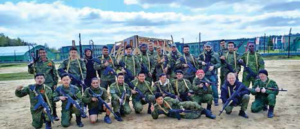
 In early December, police in Nepal acted against a gang accused of extorting substantial amounts of money from Nepalese youth. Over ten individuals were detained for illegally charging citizens up to $9000, promising them passage to Russia on travel visas. Once convinced and smuggled out of the Himalayan nation into Russia, the victims were compelled to join the Russian army, leaving their fate uncertain.
This revelation raises a serious question mark on the performance of the Nepali government, which appears to be struggling with the protection and security of its citizens. Commenting on this matter, retired Nepali army official Major General Binoj Basnat expressed his deep concerns, saying, “The Nepal government is not being able to do anything.”
Unemployed Nepali youth, desperate to find jobs, fall prey to these predators. Lured by exorbitant salaries and permanent Russian citizenship, they find themselves enlisted in the Russian army, notably within the infamous Wagner Group, a company of mercenaries based in Russia.
Historically, Nepal has been a source of skilled fighters for foreign armies. The Nepali soldiers, known as Gurkhas, had been part of the British Army in India since the 1800s and continued their service even after India gained independence. At present, they are serving in Indian and British militaries under a tripartite agreement between the nations.
However, the tiny Himalayan nation has no such agreement with Russia. The Nepalese youth are not obligated to join the Russian army. But in practice, many Nepali citizens have joined the Russian military and are fighting on the frontline in the Russia-Ukraine War.
In addition to serving in the Indian and British armies, an undisclosed number of Nepali citizens are reported to serve in the Russian military, particularly within the Wagner Group. They are estimated to be around 150 individuals. This mercenary company offers lucrative incentives, providing recruits with approximately 204,000 Russian rubles, equivalent to 2,700 euros. Notably, in May 2023, Russian President Vladimir Putin issued a decree offering Russian citizenship to foreign nationals committing to a year of service in the Russian military.
The issue came to the limelight only after a report of six Nepalese citizens losing their lives in the ongoing Russia-Ukraine War. Following this development, the Nepali government has taken a firm stance, demanding compensation from Russia for the lives lost and advocating for the repatriation of Nepali soldiers caught in the crossfire.
Nepal’s foreign ministry has urged Russia to refrain from recruiting its citizens, emphasizing the need to protect its nationals from being entangled in foreign conflicts. The call for repatriation and compensation underscores the gravity of the situation, highlighting the human cost of such involvement.
This latest development has raised questions about why Nepali citizens are in high demand. Why do world superpowers want them in their military ranks? And what is the motive behind Nepali citizens joining foreign armies?
Nepalese soldiers, renowned as Gurkhas, are celebrated for their bravery and prowess in warfare. Gurkhas have served in various foreign armies, showcasing their dedication and skills on the global stage. These unique qualities make them highly sought-after recruits in military forces worldwide. For example, they have fought several wars for India and the British and have come out victorious.


The writer is a freelance contributor and can be reached at sjatoi831@gmail.com
Leave a Reply