


The real estate industry in Pakistan virtually started from Karachi. It had existed, all the same, even before Partition. Property tycoons constructed buildings but selling of plots was atypical. The industry started progressing in the 1950s and the DHA was established. In 1960, plots in DHA achieved some boom. The industry made headway from 1970-1974. ZA Bhutto launched an Amnesty Scheme and the market boomed till 1977. A catastrophic deluge in DHA and post-election insurrection doomed the industry till 1982. The Afghan war brought a bulk of finance to the market from 1982-1988. The sudden death of the then president halted the industry from 1988 to 1992.The market lingered leisurely from 1992-1994 and caught its next thrust from 1994-1997. The market suffered a recession from 1997-2001.The industry got its major boom after 9/11. The upturn broke all the past peak records. The gigantic price hike brought forth the money-mongers in early 2000s. The next recession toppled the market from 2005-2010. The market retook in 2012 until 2015. The patterns of market trends remained the same for 43 years out of its 69 years. The boom ratio was 4 to 5 years. The proportion of price increment in urban areas was 4 to 5% and for rural areas around 9 to 10 %. During recession the prices in urban areas fell from 0.5 to 1 % and in rural areas it was almost 5%. Globally, the real estate industry normally follows a stable escalation rate of 5 to 8% yearly. However, in Pakistan it observes bullish trends. The numbers jig up to 40 to 60% growth rate annually.
2016 was an extremely promising one for the industry as in 2015, outlay in residential property boosted by 5 to 7 % while commercial property saw a boost of 15 to 20% across Pakistan. The Federal Budget o2015-16 brought much needed tax relief to the sector until 2018. Customs Duty on the import of construction machinery was also abridged to 10%. FBR data and industry surveys guesstimate industry growth was worth more than $700 billion. The industry now accounts for roughly 2% of national GDP. It not only spawns a high level of direct employment, but also excites more than 250 subsidiary sectors. Pakistan is the most urbanized nation in South Asia. If the bucolic to metropolitan exodus persists at the existing rate, the metropolitan area is anticipated to touch 95.62 million by 2025, taking the urbanization level to an unprecedented 53.3%.
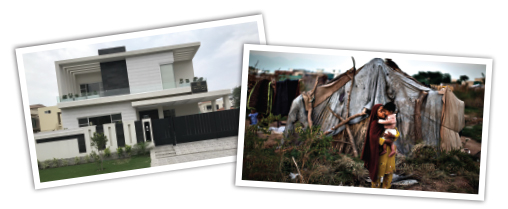
 The trend of buying luxury apartments has increased nearly 7 to 9% during the last decade. Therefore from 2010-2016, apartment prices were boosted by 120%, while houses registered were 80%. Pakistan has a housing surfeit of almost 12 million units. Even more astonishing is that for an industry that had been registering double-digit growth since 2010, with new suburban projects proclaimed almost weekly, more than 50% of the metropolitan population lives in slums and squatter settlements that lack basic necessities. Only 1% of the housing units developed yearly to 68% of the total population, consisting of people of monthly income of a mere Rs 30,000. On the other hand, almost 56% of housing units target 12% of the population, comprising individuals with a monthly income of Rs 100,000 or above.


The writer is a professor of English and a columnist based in Lahore. He can be reached at: prof.abdulshakoorsyed@gmail.com
Leave a Reply