



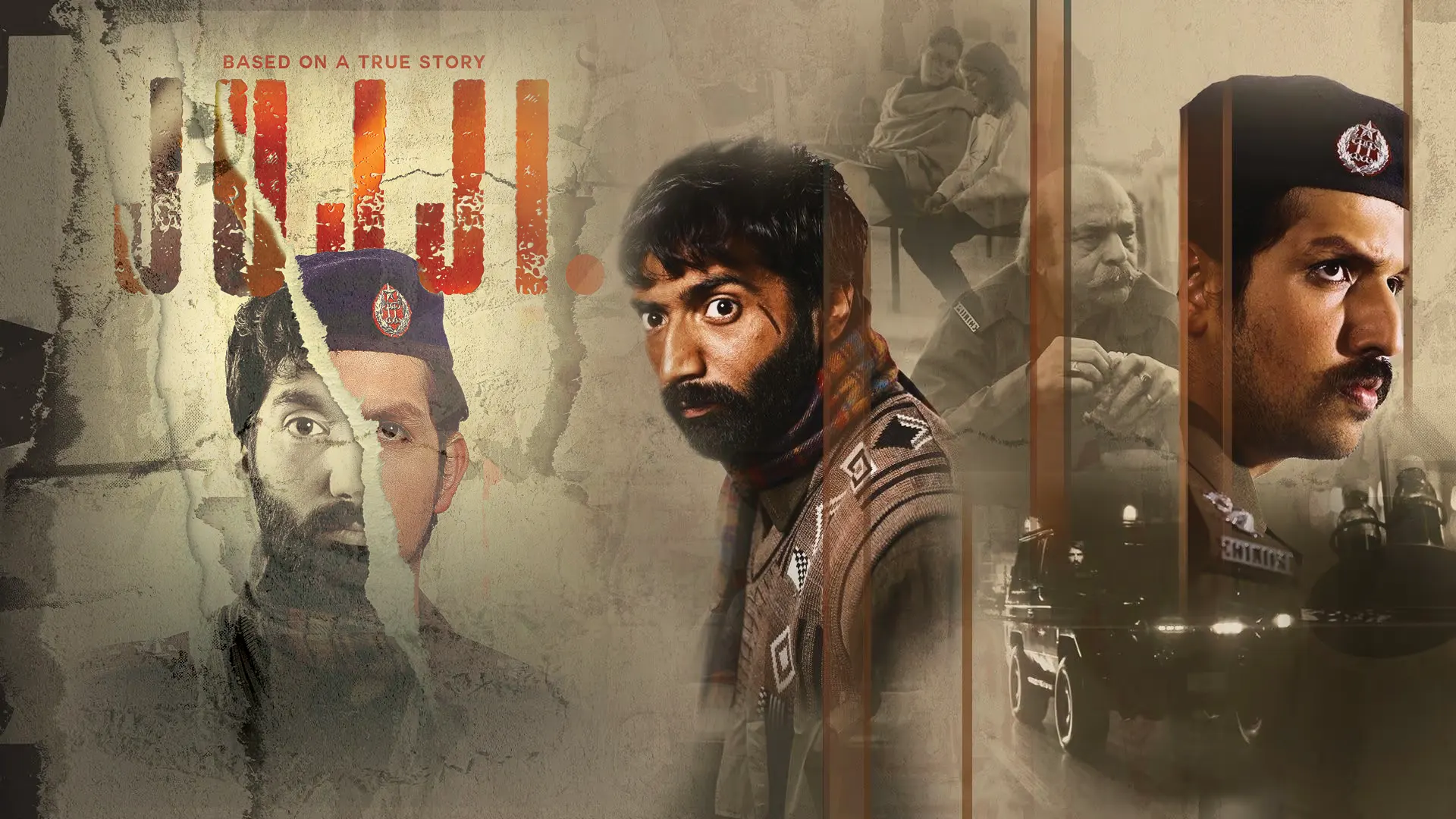
With Jujji, Pakistani cinema stakes a compelling claim in the realm of gritty, character-driven thrillers. Directed and co-produced by Habib Shahzad, written by Ahmad Umar Ayaz, and produced under the independent banner BHM Films in collaboration with Yūgen Studios and Lollipop, Jujji is a taut, psychologically charged portrait of crime, conscience, and the high price of justice.
Released globally on streaming platforms like Amazon Prime Video and Verizon Fios in November 2025, and anticipated for wider distribution, including Pakistan, in early 2026, Jujji represents both a stylistic and thematic evolution in Pakistan’s film landscape — away from broad entertainment and toward immersive, emotionally complex storytelling.
Set in the densely populated streets of Rawalpindi, Jujji begins with a seemingly isolated murder: a homeless shoe-shiner is found dead under mysterious circumstances. Assigned to the case are Mustafa Rizvi as Sub-Inspector Naveed and Anjum Habibi as Constable Arshad, partners whose professional integrity and personal vulnerabilities quickly become central to the unraveling investigation.
Their suspect is a methodical and chilling figure known only as Jujji, played by Muhammad Arslan, whose crimes — inspired by real- world events — display an unsettling precision. As Naveed and Arshad chase leads and sift through clues, the narrative shifts from procedural intrigue to a haunting psychological journey. The officers find themselves navigating not only the killer’s trail but their own questions of duty, morality, and redemption.
Unlike many crime thrillers that rely on sensational spectacle, Jujji unfolds with measured restraint. Suspense is built not through flashy set pieces but through the accumulation of small, intense moments — an eerie silence in a dim alley, a suspicious glance in a crowded market, or the mounting frustration of a detective haunted by past failures. This grounded approach gives the film a feeling of grim authenticity.
Muhammad Arslan’s portrayal of the killer is chillingly understated. Without resorting to exaggerated theatrics, he conveys a disturbing normalcy that becomes deeply unsettling — a technique that makes his presence linger long after the scene fades. Mustafa Rizvi, as SI Naveed, delivers one of the film’s most compelling performances. He balances professional dedication with personal torment, embodying an investigator who is as much in pursuit of the killer as he is in pursuit of his own sense of worth. Anjum Habibi’s Constable Arshad serves as a grounded counterpoint, his calm pragmatism offsetting Naveed’s simmering determination. Supporting roles — from Mahnoor Nawab as Naveed’s concerned wife to Arfa Nadeem as his daughter — add emotional texture that enriches the protagonist’s internal conflicts. The ensemble cast brings a slice of everyday Rawalpindi life to the fore, making the city feel like a living, breathing character in the film’s gritty tapestry.
Jujji is more than just a crime thriller — it’s a study of moral ambiguity, a meditation on duty, and a rare cinematic experience that challenges its audience rather than placates them. Its deliberate pacing and introspective tone may not satisfy viewers craving conventional action, but for those who appreciate nuanced character work and atmospheric tension, Jujji stands as one of Pakistan’s most compelling films of recent years.
Leave a Reply