



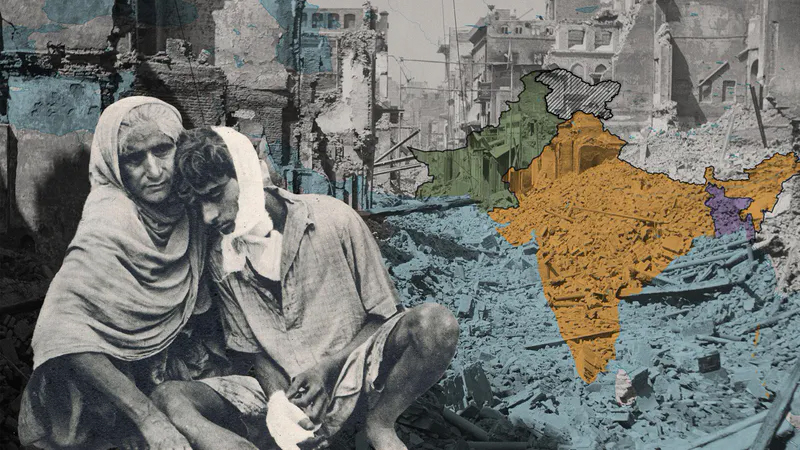
Pakistan is a monumental blessing for Muslims across the world from Almighty Allah, and this blessing has become a source of strength and trust for Muslims. This was achieved through immense sacrifices, long struggles, and perseverance shown by the Muslims of the subcontinent. The foundation of Pakistan stands on the blood of martyrs, the untiring efforts of leaders, the prayers of mothers, the sufferings of assaulted women, the light of knowledge of teachers and students, and the torn hearts of mohajirs who left their centuries-old abodes to live in the new country created in the name of Islam.
The existence of Pakistan became a thorn in the eyes of its enemies and disturbed the peace of hypocrites. From the very beginning, conspiracies were hatched to damage the dignity of this motherland and compromise national solidarity. Hatred was nurtured, and realities were trampled underfoot. No matter how powerful a state is, it is destined to face defeat due to uncontrolled internal conflicts.
December 16, 1971, was a black day when East Pakistan separated from West Pakistan and became an independent country named Bangladesh, while Pakistan continued as West Pakistan. Enemies, hypocrites, and internal conflicts collectively wounded the nation—wounds that still ache today.
In Dhaka, the signing of the Instrument of Surrender by Lt. Gen. Amir Abdullah Khan Niazi, Commander of Pakistan’s Eastern Command, in favor of Lt. Gen. Jagjit Singh Aurora, Commander of the Indian and Allied forces, revived memories of the painful moments when dead bodies were piled on rail bogies during the creation of Pakistan.
According to Sheikh Mujibur Rahman, the number of deaths was three million—a claim contrary to reality. Foreign journalists recorded nearly 200,000 people killed by mid-to-late 1971. The Hamood-ur-Rahman Commission Report clarified that the total number of deaths was almost 26,000, including Bengalis, Biharis, and soldiers; Bangladeshi insurgents killed the Biharis, who were supporting Pakistan with all their might and vigour. During an interview, an American journalist stated that he saw floating dead bodies in rivers during a visit arranged by Bengali officials, although Pakistani soldiers had already left Bangladesh. Facts were often mixed with disinformation to serve state interests. The Hamood-ur-Rahman Commission Report highlighted the causes of failure, including political shortcomings, leadership mistakes, human rights violations, and the loss of public trust.
To ensure solidarity and sovereignty, the foremost step is to control internal conflicts before confronting external challenges. The need of the hour is to take concrete measures to unite all stakeholders of the state on one platform so that the country may become as strong as a clenched fist and make its enemies tremble. National security comes first.
It is essential to hold accountable those elements that weaken the nation so they can be prevented from creating internal unrest.
Leave a Reply