



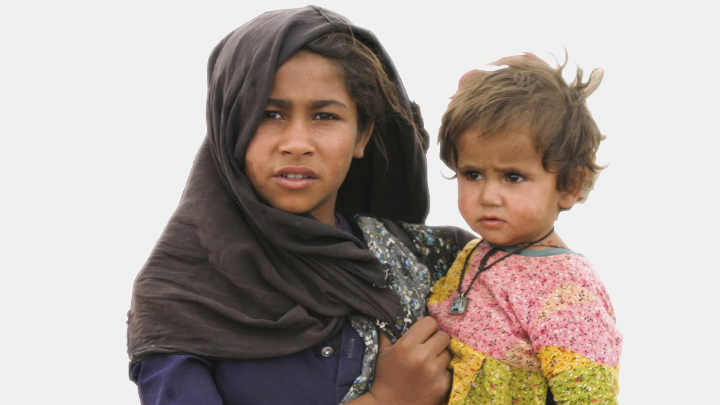
Though wars, convulsions, instability, precariousness, chaos and turmoil have essentially characterized Afghanistan for centuries, the fate and future of an ordinary Afghan national hangs in the balance, specifically in the aftermath of the Taliban ascendency to power. The traumatized life and plight of the Afghan citizenry worsened with the fall of Kabul and the subsequent events that have been unfolding there. One such, perhaps terrifying, aspect is the acute food scarcity.
Not a new problem though, the gravity and seriousness of food scarcity has multiplied in recent months. Around 22.8 million or over half of the country’s population is likely to face starvation from November this year. Nearly 3.2 million children below 5 years are likely to suffer serious malnourishment and hunger. Reports suggest that hardly five percent of the total Afghan population can afford enough food.
“Afghanistan is now among the world’s worst humanitarian crises, if not the worst. We are on a countdown to catastrophe,” says David Beasley, WFP’s executive director.
According to the UN, 55 percent or nearly 23 million people are facing or will face food insecurity at severe and emergency level up to March, 2022.
Hunger, food insecurity and scarcity for an ordinary Afghan citizen is not a novel phenomenon. The World Bank has noted an exacerbation in food scarcity and insecurity across the miserable and marginalized sections of Afghanistan, driven by pandemic-led containments and border closures. However, the fall of the Kabul government and ascension of the Taliban has plunged the country into yet another episode of instability and polarization. The, Taliban government seems unlikely to earn legitimacy and recognition in the world in the foreseeable future. Being disconnected with the mainstream is going to cost Afghan nationals far-reaching socio-economic repercussions of which the impending acute food insecurity is a horrific manifestation.
A number of factors have contributed to this food scarcity. Lack of international legitimacy and acknowledgment of the Taliban has been an obstacle in forging trade deals and transaction of basic commodities. Though humanitarian assistance from world bodies and countries is gathering pace, a comprehensive and sustainable trade deal is a distant dream.
 Afghanistan’s fragile and aid based economy has been under unprecedented strain. According to the World Bank, around 40% of Afghanistan’s GDP is based on international aid. Billions of dollars that could have been spent in bolstering food supplies and accessibility have been withheld by the donors. This in turn has been doing its bit in plunging the country into a dreadful food scarcity.


The writer is a columnist and researcher based in Kandh Kot. He can be reached at alihassanb.34@gmail.com
Leave a Reply