



According to Anne Applebaum, a foreign affairs columnist for The Washington Post, “The Russians have a very long record of hacking emails, making secret tapes, or finding what they call ‘Компромат’ or compromising information about somebody, and publishing it at a crucial moment in a political cycle in order to disrupt that cycle. These Kremlin-backed hackers use these leaks for a simple goal: To create confusion about a candidate the Russian government opposes.”
According to an unclassified document released by the intelligence community, Russia wanted Trump to win. Though the main reason for imposing US sanctions against Russia is Kremlin’s attempts to poison the opposition leader Alexei Navalny and the former Russian spy Sergei Skripal and his daughter in 2018. Recently Biden vowed that Russian President Vladimir Putin would “pay a price” for interferring with the 2020 presidential election and authorizing efforts to damage the Biden campaign through covert operations.
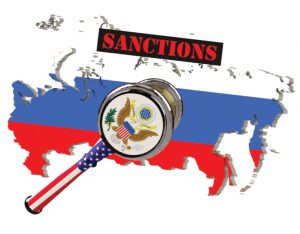
With this revelation and Joe Biden sitting in the Oval Office, the idea to ramp up sanctions against Russia, which stands accused of deploying hackers, is but obvious. The first sanction against Russia was introduced in March 2014 by the EU, the US and a number of other states in connection with the situation in Crimea and eastern Ukraine. These were individual sanctions against specific people and companies that were not significant to the Russian economy as a whole.
In July 2014, additional sectoral sanctions were imposed limiting foreign financing for leading public banks and oil and gas companies and restricting Russian oil and gas companies’ access to advanced production technologies. In response, Russia imposed an embargo on a large number of agricultural products from Western countries in August 2014. Today, there seems to be no chance of the sanctions being lifted any time soon as there has been a consensus among Western governments in recent years that economic sanctions on Russia are working and need to be extended. At the same time, others in the West criticize the current sanctions as being too weak.
Russia is of the view that the sanctions have not made any apparent dent to its economy dand hopes that the situation will eventually persuade Western governments to withdraw the sanctions. In fact, the Russians believe that sanctions are hitting Western countries harder than Russia itself. Economists, however, believe that the economic sanctions have weakened the Russian economy slightly.
The recent message from President Biden to Russian President Vladimir Putin - let’s talk - is interesting and even encouraging. Political observers term this move as an effort to present an incentive to Russia to come back to the table.


The writer is a veteran journalist. He can be reached at mycolachi@gmail.com
Leave a Reply