



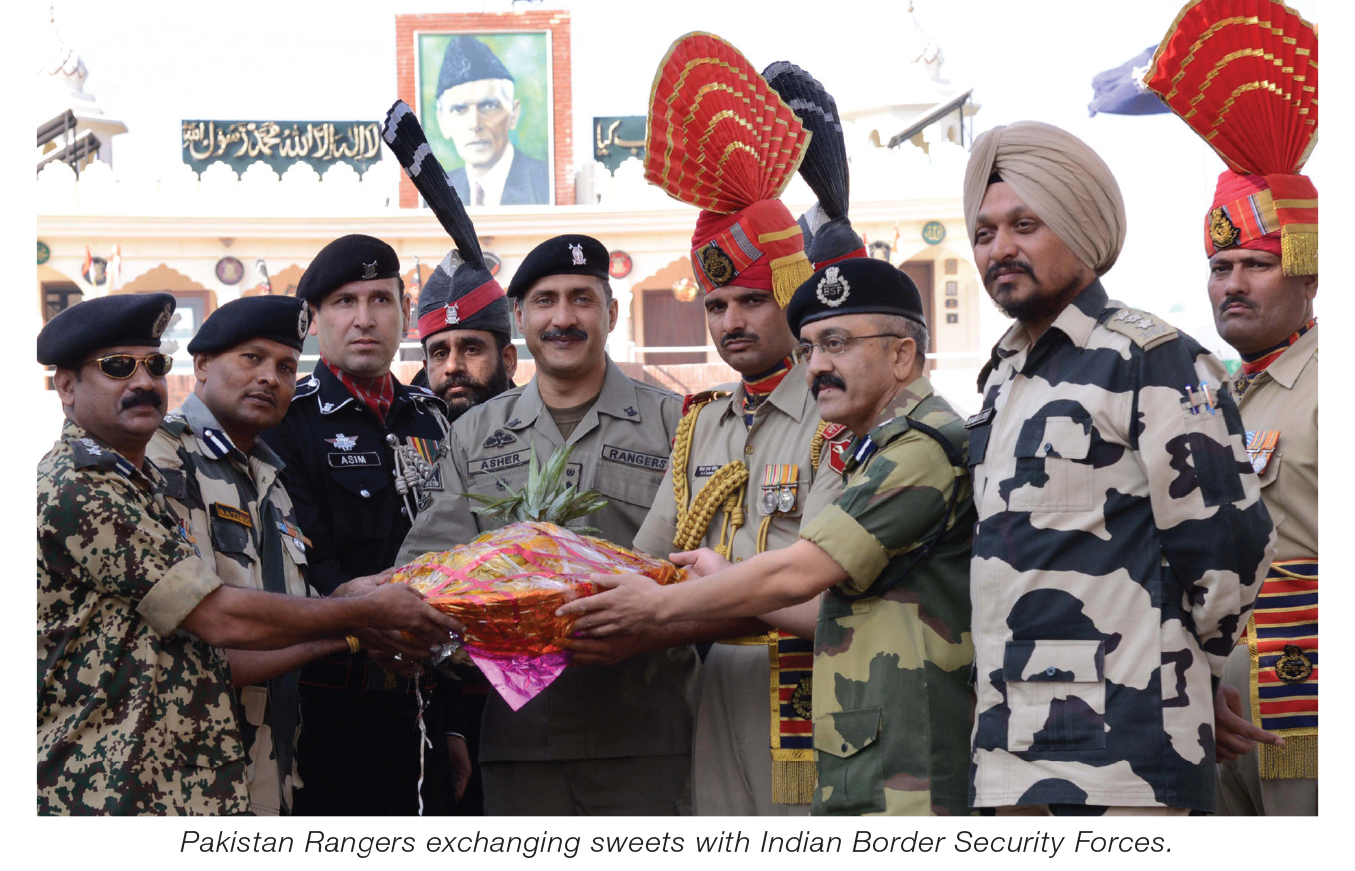
The two significant nuclear rivals in South Asia, Pakistan and India have vowed to carry out the 2003 ceasefire agreement, despite ignoring all the factors which were a bone of contention between the two neighbours. The relationship between the two rivals has always been known for its complexity and sharpness. However there are times when amazements of a certain have emerged, leaving the whole world surprised. This new and unexpected stance taken by the two militaries to respect the 2003 truce along the LoC is unquestionably bewildering, considering the brusqueness that has stamped these relations.
The understanding between Pakistan and India rose from the dust when military generals on both sides turned the tables down and released statements which sought to ease the tension. Two years prior to this date, both nuclear opponents were about to start a major world conflict when Indian aircraft entered Pakistani territory and shot down. The latest ceasefire is like a cool breeze. Strains between the two atomic rivals failed to ease after 19 Indian soldiers were killed in Indian-occupied Kashmir by extremists.
 Kashmir has always been a cause of discord between the two countries. Both claim it in full but own only some of its parts. Since 1947, India and Pakistan have come face to face on the issue three times – in 1948, 1965 and 1971. Some Kashmiri militant groups in Jammu and Kashmir have been battling against Indian standards for autonomy or for merging with the Pakistan. As per a few common freedom and liberties associations, a huge number of individuals have purportedly been executed in since 1989. In the Siachen glacier in northern Kashmir, Indian and Pakistani soldiers have battled since 1984. A truce became effective in 2003 under foreign pressure.


The writer is a freelance contributor, pursuing MPhil in Political Science from the Government College University, Lahore. He can be reached at aasad6889@gmail.com |
|
Cover Story
|
|
News Buzz
|
Update |
Leave a Reply