




One of the hot topics these days pertains to the 18th Amendment. Whereas the influencing decision-makers in the political fabric of Pakistan considered it a positive step, many efforts need to be done to make it a holistic endeavour. The Pakistan People’s Party (PPP) has shown great concern to keep the 18th Amendment unchanged. Moreover, Prime Minister Imran Khan has ruled out any step to roll back the Amendment but has asked for its review.
Commenting on the 18th Amendment’s devolution, the Prime Minister said, “Devolution is always effective for a good governance system. I have no objection to the 18th Amendment nor am I against it. But they have included several things in that reform in haste. They definitely needed to be reviewed and fixed. There are several things wrong in it [18th Amendment] and they are not practical.”
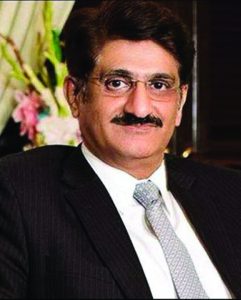 Many areas of the administration became difficult to handle after the 18th Amendment was implemented in 2010. The areas such as food standardization, drugs, and environment need to be streamlined under a single policy as provinces are managing their protocols under varying policies.
According to the Prime Minister, during his visit to an Ehsaas Center in Larkana in June 2020, he said the 18th Amendment gave all powers to the Chief Minister. “In the devolution system, powers are transferred from provinces to local administration. But here we see that our local bodies don’t enjoy any power. All powers are enjoyed by the chief minister and he has become a kind of dictator. He’s not offering powers to the local administration. The effective devolution functioning requires a three-tier system but here it’s stuck in two tiers.”


The writer has a special interest in the region’s social and political affairs. He can be reached at omariftikhar82@gmail.com |
|
Cover Story
|
|
News Buzz
|
Update |
Leave a Reply